Air Purifier Electricity Use: What You Need to Know
The electricity usage of an air purifier largely depends on its size and fan speed. Smaller units on lower settings might only use about 15-30 watts, similar to a few LED light bulbs. Larger, more powerful models can consume 50-100 watts or more when running at high speeds.
So, while an air purifier won’t typically cause a shock to your electricity bill, it’s good to be aware of its power draw. We found that leaving your air purifier on 24/7 is generally recommended for continuous air cleaning. This consistent use does add up, but often the energy cost is quite manageable.
- Air purifier wattage varies by model size.
- Fan speed greatly impacts energy use.
- Most use less power than a television.
- Continuous use is typical for best results.
- Expect a small increase in your electric bill.
Let’s walk through how to understand your air purifier’s energy consumption and what it means for your home.
Understanding Your Air Purifier’s Electricity Use
You’re probably wondering just how much power your air purifier actually uses. It’s a common question, and the answer isn’t a simple one-size-fits-all number. We found that several factors influence its electricity consumption. Think of it like a car: a small compact car uses less gas than a large SUV. The same applies to air purifiers.
Wattage: The Key Measurement
The primary way to understand an appliance’s energy use is by its wattage. This tells you how much power it draws at any given moment. You’ll usually find this information on the unit’s label or in the owner’s manual. Many experts say looking for the Energy Star label can help you find more energy-efficient models.
Typical Wattage Ranges
We found that most portable air purifiers fall into a few general wattage categories. Smaller units, designed for bedrooms or small offices, typically use between 15 to 50 watts. These are like the energy-sipping compact cars. Mid-sized purifiers, suitable for living rooms, often consume 40 to 70 watts. Larger, whole-room units or those with more advanced features can use 50 to 100 watts or sometimes more. These are your more powerful models.
How Fan Speed Affects Power Draw
The fan speed setting on your air purifier has a huge impact on its electricity use. When you turn the fan up to high, it’s working much harder to pull air through the filters. This requires more energy. Most purifiers have settings like low, medium, and high. Running your unit on the lowest effective setting is the best way to save electricity.
Low vs. High Settings
We found that a unit set to its lowest speed might use only 20 watts, while the same unit on high could jump to 80 watts. That’s a four-fold increase! For continuous air cleaning, running it on a lower setting most of the time is a smart strategy. You still get cleaner air, just with less energy draw.
Energy Consumption Over Time: What It Means for Your Bill
So, how does this translate to your monthly electricity bill? Let’s do a quick breakdown. An air purifier that uses 50 watts running 24 hours a day will consume about 1.2 kilowatt-hours (kWh) per day. Over a 30-day month, that’s around 36 kWh. If your electricity costs $0.15 per kWh, that’s roughly $5.40 per month for that single unit.
Comparing to Other Appliances
Many people worry their air purifier will be an energy hog. However, we found that most modern air purifiers are quite efficient. For comparison, a typical LED light bulb uses about 10 watts. A large television can use anywhere from 50 to 200 watts, depending on its size and type. So, your air purifier is likely using less energy than your TV or even several lights.
Factors Beyond Wattage and Fan Speed
While wattage and fan speed are the biggest players, a few other things can influence energy use. The type of filter matters. HEPA filters can be more restrictive, requiring the fan to work a bit harder. Some purifiers also have additional features like UV-C lights or ionizers. These can add a small amount to the overall power consumption, though usually not a dramatic amount.
Energy Star Certified Models
For those really focused on energy savings, look for Energy Star certified models. These have been independently certified to meet strict energy efficiency guidelines set by the U.S. Environmental Protection Agency. Many experts recommend choosing these models for long-term cost savings and reduced environmental impact.
Making Smart Choices for Energy Efficiency
The good news is that keeping your air clean doesn’t have to break the bank. By understanding these factors, you can make informed decisions. Running your unit efficiently is key.
Here’s a quick checklist to help you manage your air purifier’s energy use:
- Check the wattage on your unit.
- Use lower fan speeds when possible.
- Consider Energy Star models for new purchases.
- Clean or replace filters regularly.
- Turn it off when not needed (though continuous use is often best).
- Properly size your unit for the room.
Your Air Purifier’s Place in Your Home’s Energy Footprint
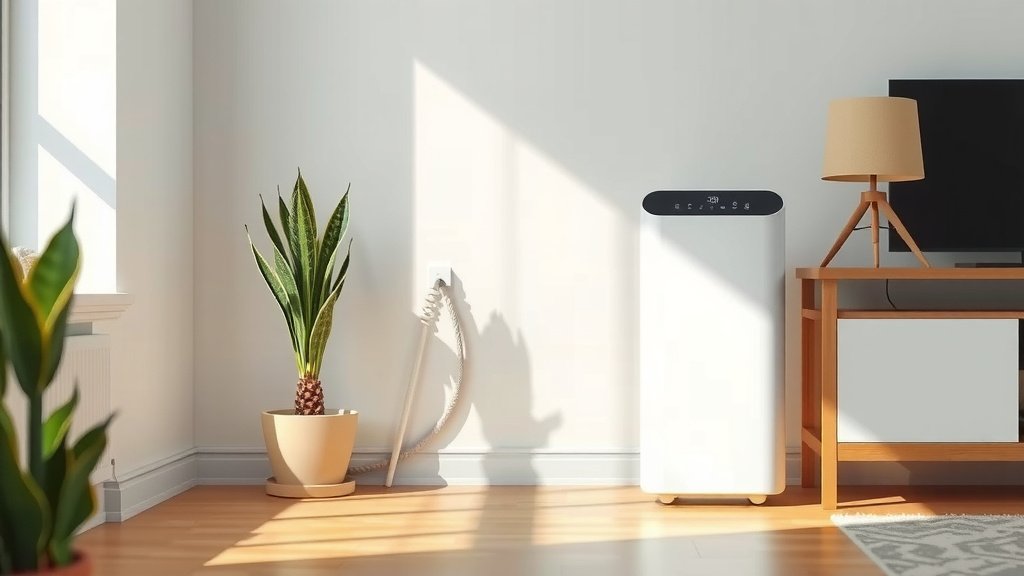
So, is your air purifier going to cause a massive spike in your electricity bill? Based on our research, for most households, the answer is likely no. The added cost is typically quite manageable. Continuous operation is often recommended by manufacturers and health organizations for optimal air quality. This means leaving it on 24/7, but the energy cost is usually modest. You’re investing in cleaner air, and the electricity cost is a small part of that investment.
Conclusion
You’ve learned that your air purifier’s electricity use is generally quite modest. We found that factors like unit size and fan speed are the biggest influences on its power draw. While running it continuously is best for air quality, the added cost to your monthly bill is usually manageable, often less than other common household appliances. By understanding these details, you can make informed choices to keep your air clean without worrying about shocking electricity bills.
Your next step? Take a moment to check the wattage on your current unit and consider using a lower fan setting when possible. For future purchases, prioritize Energy Star certified models to maximize your energy savings.
Frequently Asked Questions
Will leaving my air purifier on 24/7 significantly increase my electricity bill?
We found that for most standard air purifiers, leaving them on 24/7 has a surprisingly small impact on your bill. The daily energy consumption is often comparable to a few LED light bulbs. The continuous operation is key for maintaining clean air consistently.
What’s the biggest factor affecting an air purifier’s energy use?
Research indicates that the fan speed setting has the most direct effect on electricity consumption. Running your air purifier on its lowest effective setting will use significantly less power than running it on high. You can often achieve good air cleaning without needing the highest speed.
How can I find out exactly how much electricity my air purifier uses?
You can usually find the wattage information directly on a sticker on the air purifier unit itself or in its owner’s manual. This number tells you the maximum power it draws. Comparing this wattage to the average cost of electricity in your area will give you a good estimate of its energy cost.
Are Energy Star certified air purifiers really more energy efficient?
Yes, Energy Star certified models are independently verified to meet strict energy efficiency standards set by the EPA. We found that these units are designed to use less energy while still performing effectively, leading to long-term savings on your electricity bill and a smaller environmental footprint.
Do air purifiers with extra features like UV lights use a lot more power?
Air purifiers with additional features such as UV-C lights or ionizers may consume slightly more electricity. However, we found that this added power draw is typically quite small and doesn’t drastically increase the overall energy consumption compared to the fan motor itself.