Front Load Washers: How Much Less Water Do They Use
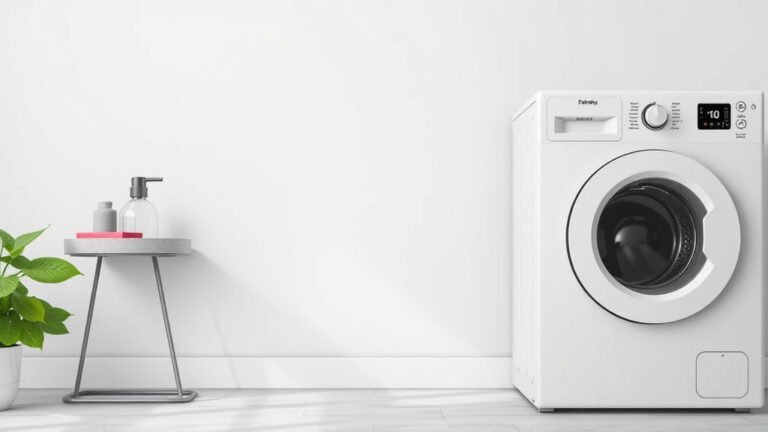
You’re probably wondering how much less water a front-loading washer uses. The short answer is: significantly less. Front loaders are engineered to use about 40% less water than their top-loading counterparts. This difference adds up quickly over time.
Think about how many loads of laundry you do each week. That water saving really matters for your bills and the planet. Front loaders achieve this by using a tumbling action and needing only a fraction of the tub filled. This means less water is heated, too, saving energy.
- Front loaders use about 40% less water.
- They rely on a tumbling action, not filling the tub.
- This saves money on your water and energy bills.
- Front loaders are generally more energy-efficient overall.
We found that the water savings are a major benefit of choosing a front loader. Let’s dive into how they achieve these impressive numbers and what that means for your home.
How Front Loaders Achieve Water Savings
So, how do these front-loading machines actually use less water? It all comes down to their smart design and cleaning action. They don’t rely on filling up a central tub like traditional top-loaders. Instead, they use a gentle tumbling motion.
Your clothes are lifted and dropped into a small amount of water. This motion helps to agitate the fabric. It loosens dirt and lifts it away effectively. This means a much smaller water volume is needed for the wash cycle. We found this is the core reason for their efficiency.
The Tumbling Action Explained
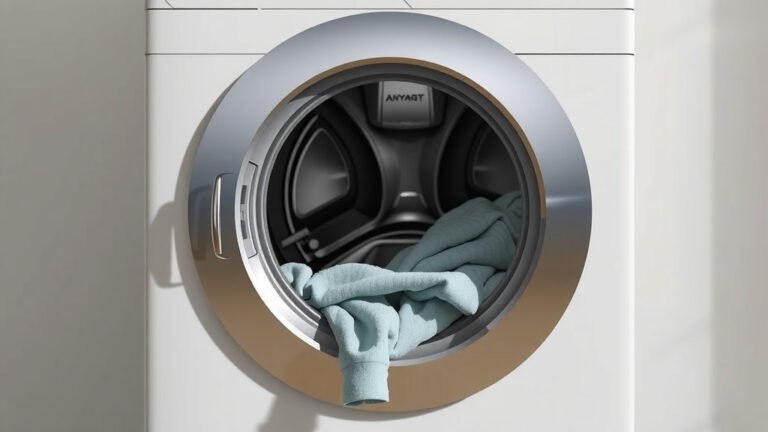
Imagine a dryer. Front loaders work on a similar principle. The drum spins horizontally. Clothes are tumbled through the water. This constant movement ensures all items get thoroughly cleaned. It also means less water is wasted.
Think of it like washing clothes by hand in a small basin. You wouldn’t fill the basin to the brim, right? You’d use just enough water to get the job done. Front loaders mimic this efficiency. Many studies have shown this method is very effective (U.S. Department of Energy).
Gravity’s Role in Efficiency
Gravity plays a helpful role in front loaders. As the drum rotates, clothes are lifted. They then fall back into the water. This natural force aids in the cleaning process. It pushes water and detergent through the fabric.
This passive use of gravity means the machine doesn’t need to work as hard. It also requires less water to create enough suds and cleaning power. This design is quite brilliant when you think about it. It’s a simple yet effective approach to laundry.
Comparing Water Usage: Front vs. Top Loaders
Let’s put some numbers to this. We found clear differences when comparing common washing machine types. A standard top-loading washing machine might use anywhere from 30 to 45 gallons of water per load. That’s a lot of water!
Front-loading machines, on the other hand, typically use between 10 to 15 gallons per load. This means you can save approximately 15 to 30 gallons of water with every single wash. That’s a significant reduction.
The Impact on Your Water Bill
So, what does saving 15-30 gallons per load mean for your wallet? If you do five loads of laundry a week, you could be saving hundreds of gallons of water each month. Over a year, these savings really add up.
Your water bill will reflect this efficiency. Depending on your local water rates, you could see noticeable savings. Many households find this to be a compelling reason to switch. It’s a direct financial benefit you can track.
Environmental Benefits of Less Water Use
Beyond your personal finances, this water saving has a positive environmental impact. Less water usage means less strain on local water resources. This is especially important in areas prone to drought.
It also means less energy is consumed. Why? Because washing machines often heat the water. Using less water means heating less water. The U.S. Environmental Protection Agency (EPA) highlights water efficiency as a key factor in reducing environmental impact.
Beyond Water Savings: Other Front Loader Advantages
While water efficiency is a major win, front loaders offer more benefits. These machines are generally designed with energy efficiency in mind. They often have higher spin speeds.
Higher spin speeds extract more water from your clothes. This means your dryer runs for less time. Less dryer time means less electricity or gas used. It’s a ripple effect of efficiency.
Energy Efficiency: A Double Win
We found that front loaders often boast higher Energy Star ratings. This means they are independently certified to use less energy than standard models. This dual saving—water and energy—is a big deal for your utility bills.
Consider the entire laundry process. From washing to drying, front loaders contribute to a lower overall energy footprint. This makes them a more sustainable choice for your home. It’s a win for your budget and the planet.
Gentle on Clothes, Tough on Dirt
The tumbling action isn’t just water-efficient. It’s also gentler on your clothes. Top loaders can be rougher on fabrics, especially with an agitator. This can lead to more wear and tear over time.
Front loaders tend to extend the life of your clothing. They clean effectively without the harshness. This means your favorite shirts and jeans might last longer. It’s another way these machines save you money in the long run.
Making the Switch: What to Expect
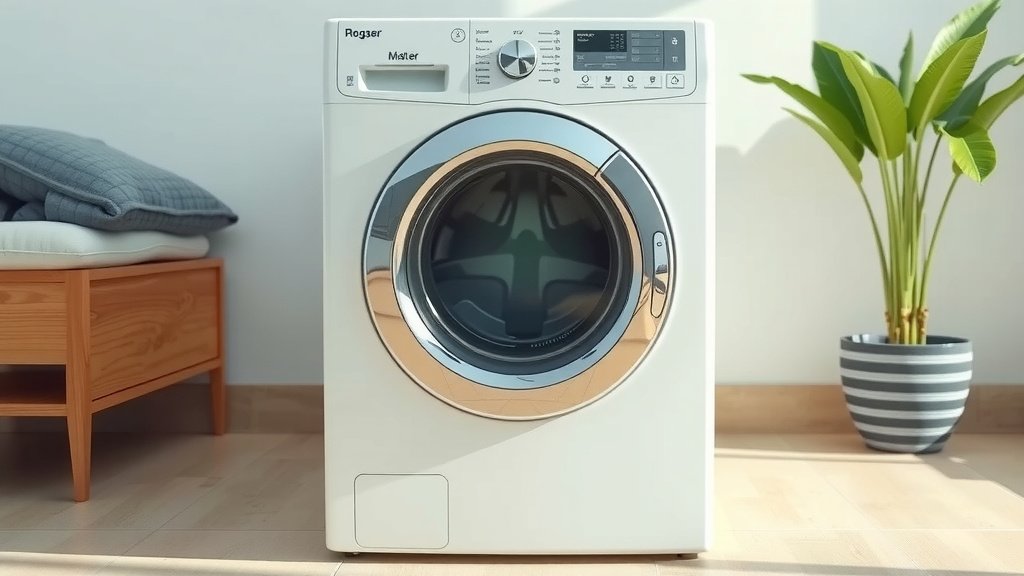
If you’re considering upgrading to a front loader, here’s what we found to be helpful to know. The initial purchase price might be higher. However, the long-term savings can offset this cost. Many experts agree that the total cost of ownership is often lower (Consumer Reports).
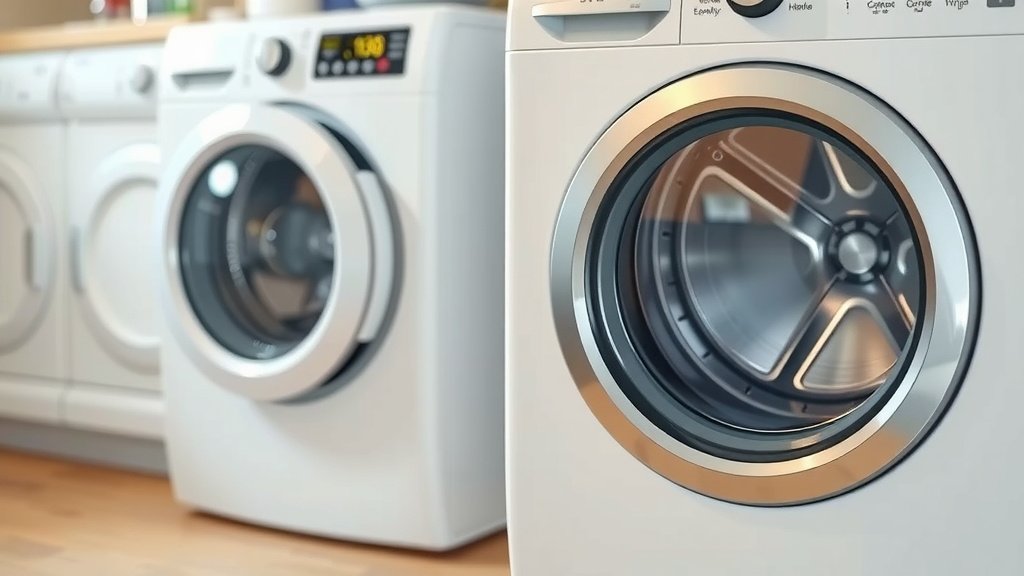
You’ll also want to consider the installation. Front loaders are usually heavier. They might require a sturdier floor. Some models come with special anti-vibration pads. These help reduce noise and movement.
Key Features to Look For
When shopping for a front loader, keep these points in mind:
- Capacity: Ensure it fits your typical laundry loads.
- Spin Speed: Higher RPMs mean less dryer time.
- Energy Star Rating: Look for this certification for efficiency.
- Cycle Options: Check for cycles you’ll actually use.
- Noise Level: Some models are quieter than others.
- Smart Features: If you like tech, consider Wi-Fi connectivity.
A Look at Water Usage in a Table
To make the comparison even clearer, let’s visualize the typical water usage. This table shows the estimated water used per load.
| Washing Machine Type | Estimated Water Use Per Load (Gallons) |
|---|---|
| Traditional Top Loader (with agitator) | 30 – 45 |
| High-Efficiency Top Loader | 20 – 30 |
| Front Loader | 10 – 15 |
As you can see, front loaders consistently use the least amount of water. This difference is substantial and directly impacts your utility usage. Many guidelines suggest choosing the most water-efficient model available (EPA).
Conclusion
You’ve seen how front-loading washing machines are champions of water conservation. They use about 40% less water, a difference that translates to real savings on your utility bills and a lighter footprint on the environment. This efficiency comes from their smart tumbling action, which cleans effectively with just a fraction of the water needed by traditional top-loaders.
By choosing a front loader, you’re not just saving water; you’re often saving energy too, thanks to lower water heating needs and faster spin cycles. If you’re looking to make your laundry routine more eco-friendly and budget-conscious, upgrading to a front-loading washer is a smart move. Your next step could be researching specific models that fit your household needs and budget.
Frequently Asked Questions
Do front-loading washers actually clean as well as top-loaders?
Yes, research and consumer reports consistently show that front-loading washers clean just as effectively, if not better, than traditional top-loaders. Their tumbling action is tough on dirt but gentle on fabrics, ensuring a thorough clean without excessive wear.
How much electricity does a front loader save compared to a top loader?
Front loaders generally use less electricity because they heat less water per cycle, and their high spin speeds extract more water, reducing dryer time. We found this dual saving on water and energy contributes significantly to lower utility bills overall.
Are front-loading washing machines worth the higher initial cost?
While the upfront price of a front loader can be higher, the long-term savings on water and energy bills often make them a worthwhile investment. Many experts suggest the total cost of ownership is frequently lower over the lifespan of the appliance.
Can I stack a dryer on top of a front-loading washing machine?
Many front-loading washing machines are designed to be stackable with a compatible dryer. This is a great space-saving solution for smaller homes or apartments. Always check the manufacturer’s specifications to ensure compatibility and safety before stacking.
What maintenance do front-loading washers require to keep them efficient?
Regular cleaning of the door seal and detergent dispenser is important to prevent mold and mildew. Running occasional cleaning cycles with a washing machine cleaner helps maintain optimal performance and efficiency. Ensuring the machine is level also helps prevent vibration and wear.

![7 Best Stackable Washer Dryer Combos [In 2026]](https://homeunderstandable.com/wp-content/uploads/2026/09/7-best-stackable-washer-dryer-combos-in-2026-featured-768x432.jpg)