How Much Oil Does Your Air Compressor Need
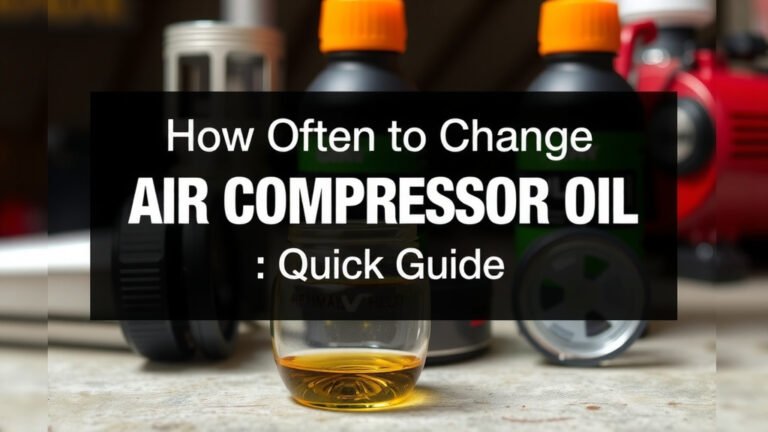
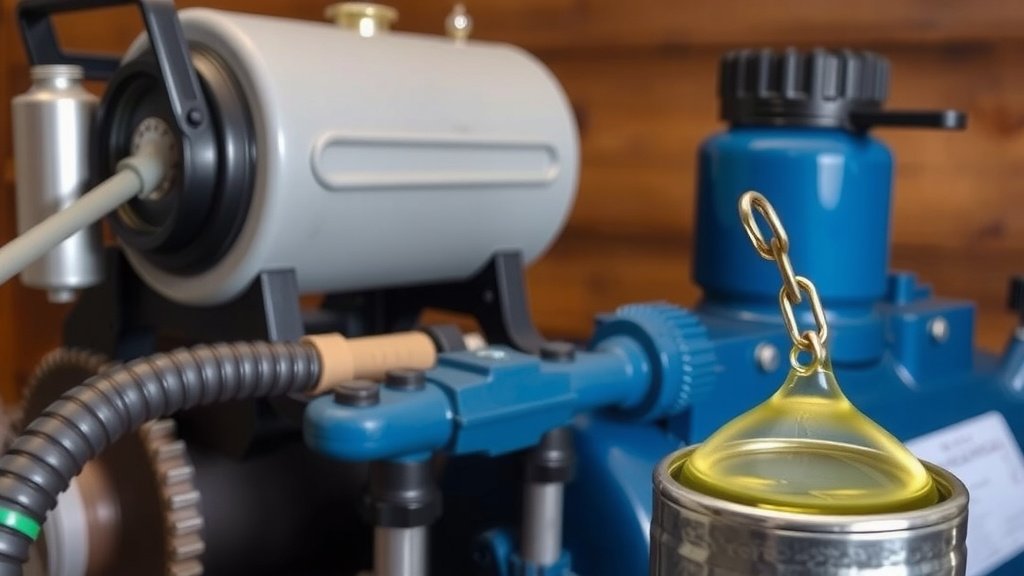
The amount of oil for your air compressor depends on its type and size, but most consumer-grade compressors need about 10 to 30 ounces of specific air compressor oil. Always check your compressor’s manual for the exact recommendation, as using too much or too little oil can cause serious damage to the pump.
Getting the oil level right is surprisingly important for your compressor’s longevity. Too little oil means parts can’t lubricate properly, leading to overheating and premature wear. Too much oil can cause it to get into your air lines, potentially contaminating your projects and making a mess.
- Always check your manual first for the exact oil amount.
- Look for oil specifically labeled for air compressors.
- Too little oil causes overheating and wear.
- Too much oil can leak into your air lines.
- Regularly check your compressor’s oil level.
Let’s get into the nitty-gritty of how much oil your specific air compressor needs and what can happen if it’s not quite right.
You’ve got your air compressor ready to go, but then you see that little dipstick or oil fill port. Uh oh. How much oil does this thing actually need? It’s a question that can stop you in your tracks. We’ve all been there, staring at a bottle of oil, feeling a bit uncertain.
Getting the oil level right is super important for your compressor’s health. Too little, and you risk serious damage from friction and heat. Too much, and you might find oil splattering where you really don’t want it, like on your projects. Let’s figure out the right amount for your machine.
How Much Oil Does Your Air Compressor Need?
The exact amount of oil your air compressor requires really depends on its size and the type of pump it uses. However, for most common consumer and small professional models, the range is often between 10 to 30 ounces. This is a good general idea, but always consult your owner’s manual for the precise number.
Why is the manual the go-to? Because manufacturers test their equipment thoroughly. They know precisely what lubrication level is needed for optimal performance and lifespan. Your manual is your best friend for this information. Think of it as the compressor’s personal health guide.
Understanding Your Air Compressor’s Oil Capacity
Air compressors aren’t all built the same. They come in different designs, and this affects how much oil they hold and how they use it. The most common types you’ll find are either oil-lubricated or oil-free.
Oil-Lubricated Compressors: The Heart of the Matter
If your compressor has a visible oil fill port and a dipstick, chances are it’s an oil-lubricated model. These types rely on a specific amount of oil to keep the moving parts inside the pump well-lubricated. This lubrication reduces friction, dissipates heat, and prevents premature wear.
Single-Stage vs. Two-Stage Pumps
Within oil-lubricated compressors, you might have single-stage or two-stage pumps. Single-stage pumps compress air in one go. Two-stage pumps compress it, cool it, and then compress it again. Both need oil, but the exact amount can sometimes vary slightly. Research and found that two-stage pumps can sometimes have slightly higher oil capacities due to their more complex design.
Oil-Free Compressors: A Different Kind of Beast
On the other hand, oil-free compressors are designed to run without any oil in the pump mechanism. They often use special materials like Teflon for their cylinder rings. These compressors require absolutely no oil in the crankcase. If you have an oil-free model, attempting to add oil will likely cause significant damage. So, if you’re not sure, check if there’s an oil fill port or dipstick. If not, it’s probably oil-free and needs no oil added to the pump.
How to Check Your Air Compressor’s Oil Level
Checking the oil isn’t complicated, but doing it correctly is key. You want to ensure your compressor is on a level surface. If it’s tilted, your reading will be inaccurate. Most manuals suggest checking the oil when the compressor is cool to the touch, so you don’t risk a burn.
Using the Dipstick or Sight Glass
Many compressors have a dipstick, similar to what you’d find on a car. You’ll pull it out, wipe it clean, reinsert it fully, and then pull it out again to check the level. There are usually markings for “full” or “add.” You want the oil level to be at or just below the “full” mark. Some models use a sight glass, which is a small window that shows the oil level directly. Research and found that sight glasses offer a quick, clear view of the oil status.
What If It’s Too Low or Too High?
If the oil is below the “add” or “min” line, you need to add more. If it’s above the “full” or “max” line, you have too much. Don’t worry if it’s just a tiny bit over; that’s usually not a major issue. But if it’s significantly overfilled, you’ll need to drain some out. Adding oil should be done slowly, a little at a time, until you reach the correct level.
The Right Type of Oil Matters Too!
It’s not just about the quantity; the type of oil is also incredibly important. Using the wrong kind can be just as damaging as using the wrong amount.
Dedicated Air Compressor Oil
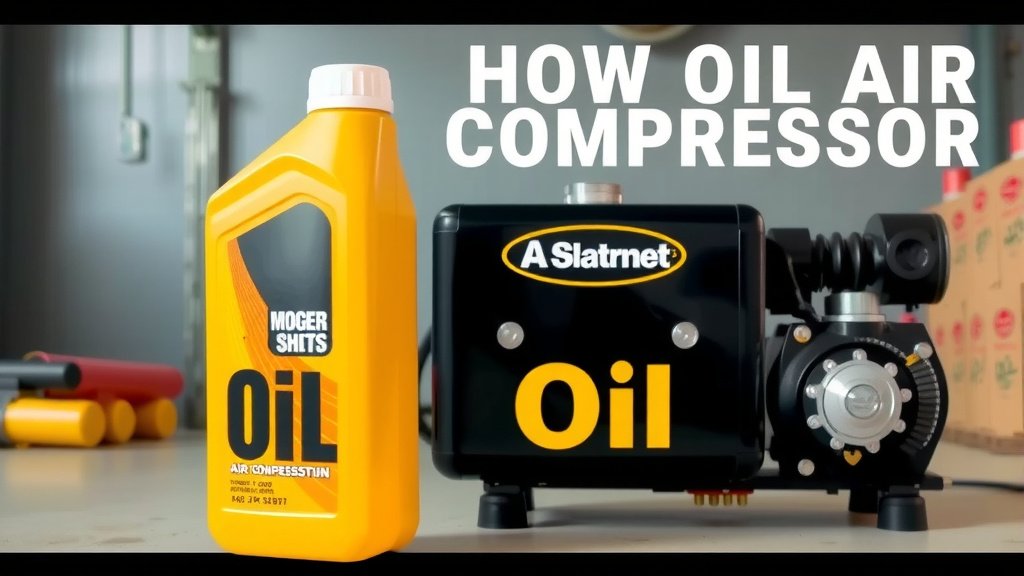
You should always use oil specifically labeled for air compressors. These oils are formulated to handle the high temperatures and pressures found inside compressor pumps. They offer better lubrication and are less likely to break down or foam than regular motor oils. Many experts say that using a synthetic blend or full synthetic air compressor oil can extend the life of your pump even further.
Viscosity Grades
Air compressor oils come in different viscosity grades, often expressed as a number (like ISO VG 32, 46, or 68). The correct grade depends on the operating temperature and the compressor’s design. Your manual will specify the recommended viscosity. For typical home or workshop use in moderate temperatures, a 32 or 46 viscosity is common. In hotter climates or for heavy-duty use, a higher viscosity might be recommended.
Consequences of Incorrect Oil Levels
So, what happens if you get the oil level wrong? It’s not just a minor inconvenience; it can lead to serious problems.
Too Little Oil: The Friction Fiend
When there isn’t enough oil, the metal parts inside your compressor pump, like pistons, rings, and cylinders, rub directly against each other. This creates excessive friction. Friction generates heat, leading to overheating. Overheating can cause parts to warp, seize, or wear out much faster than they should. You might notice strange noises, a loss of performance, or even smoke. Many repair technicians found that under-oiling is a leading cause of premature pump failure.
Too Much Oil: The Messy Marauder
Overfilling can be just as problematic, though perhaps in a different way. When the oil level is too high, the rapidly spinning parts can churn the oil excessively. This can create foam, which reduces lubrication effectiveness. More importantly, excess oil can get sucked into the compression chamber and then blown into your air lines. This means oil can end up on your tools, your projects, or even in the air you breathe. It can clog filters, damage sensitive equipment, and create a real mess to clean up. Think of it like overfilling a bathtub; the water has to go somewhere!
A Quick Oil Check Checklist for You
To make things easy, here’s a quick checklist to keep your compressor happy:
- Always refer to your compressor’s manual for exact oil type and quantity.
- Ensure the compressor is on a level surface before checking the oil.
- Check the oil level when the compressor is cool to avoid burns.
- Use only oil specifically designed for air compressors.
- Add oil slowly, ensuring you don’t go above the “full” mark.
- Regularly inspect for any oil leaks around the pump.
Conclusion
You’ve learned that the right oil level is vital for your air compressor’s health. It’s not just about picking up any oil; it’s about finding the correct type and quantity. Too little oil leads to harsh friction and heat, while too much can cause messy oil blow-by. Always remember your owner’s manual is your ultimate guide for these specifics. By taking a few moments to check and maintain your compressor’s oil, you’re investing in its longevity and ensuring it performs reliably for your projects. Don’t let guesswork compromise your equipment; make checking your oil a regular habit.
Frequently Asked Questions
What happens if I don’t check my air compressor’s oil level?
If you neglect your air compressor’s oil level, you risk serious damage. Too little oil causes excessive friction and overheating, potentially leading to pump failure. Too much oil can result in oil contaminating your air lines and projects, creating a sticky mess.
Can I use regular motor oil in my air compressor?
No, you should not use regular motor oil in your air compressor. Air compressor oil is specially formulated to withstand the high temperatures and pressures found within the compressor pump. Using the wrong type of oil can lead to inadequate lubrication and premature wear.
How often should I check the oil level in my air compressor?
It’s a good practice to check your air compressor’s oil level before each use, especially if it’s an oil-lubricated model. Regular checks help you catch low levels before they cause damage and ensure optimal performance.
My compressor has a sight glass. How do I read it for the oil level?
If your compressor has a sight glass, you’ll see a small window that shows the oil level directly. You want the oil level to be between the minimum and maximum lines, usually appearing as a clear or amber liquid. Research and found that sight glasses offer a quick, clear view of the oil status.
What is the typical oil capacity for a small home air compressor?
For most small, consumer-grade air compressors, the oil capacity typically ranges from 10 to 30 ounces. However, this can vary by model and manufacturer, so always consult your specific owner’s manual for the exact amount needed.