
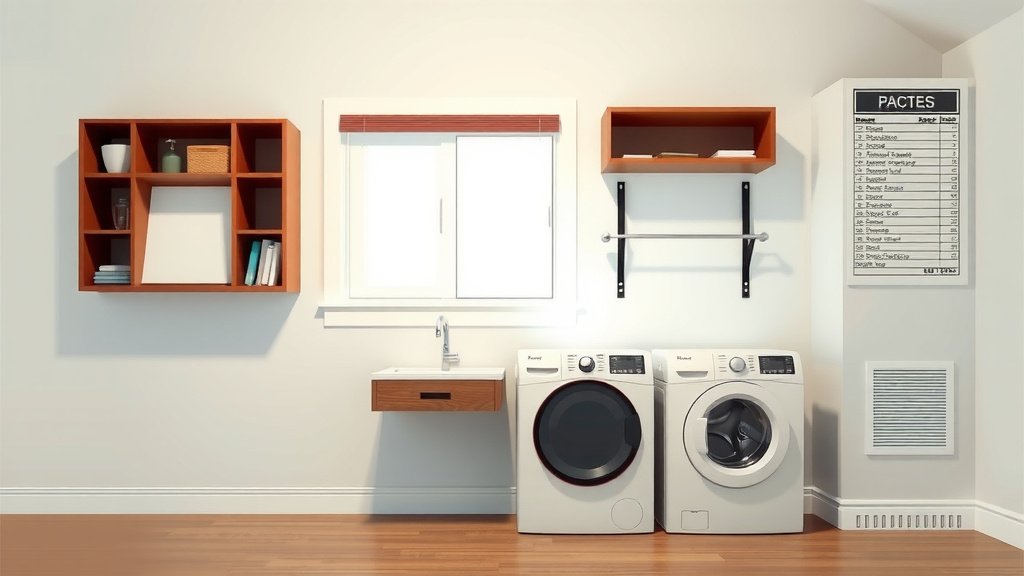
Washer and Dryer Dimensions: How Much Room Do You Need
Planning your laundry room means asking: how much room for a washer and dryer? You’ll generally need about 30 inches of width for each appliance. This space ensures they function correctly and are accessible for maintenance. Don’t forget depth; most machines need at least 30-34 inches, plus a few extra for hose connections.
Getting the measurements right is key for a functional laundry space. Beyond the appliance dimensions, you need room for doors to open fully. Consider clearance for ventilation hoses, water hookups, and even walking space. A well-planned area prevents headaches later, making laundry day much smoother.
- Standard washer and dryer width: ~30 inches each.
- Standard depth: ~30-34 inches, plus hose space.
- Consider door swing and walking clearance.
- Proper spacing prevents damage and eases maintenance.
Let’s break down the ideal dimensions and important considerations to ensure your laundry setup is perfect.
Sizing Up Your Laundry Space: Washer and Dryer Dimensions
So, you’re planning your laundry room and wondering about the exact footprint a washer and dryer will take up. It’s a smart question to ask early on! Let’s get you the clear numbers you need to make sure your machines fit perfectly and operate without a hitch.
You’re likely looking at standard-sized appliances for most homes. These usually have a width of about 27 to 30 inches. Think of it like buying a new sofa; you need to know it’ll fit through the door and into its designated spot.
Appliance Width: The Straight Shot
When you measure for your washer and dryer, you’ll need to account for around 30 inches of width for each appliance. This is the standard width for most front-load and top-load machines. It’s not just about fitting them side-by-side; it’s also about having enough wiggle room.
Why the extra space? Well, you’ll need to be able to pull them out for maintenance. Imagine trying to fix a leaky hose with zero clearance! Plus, some machine designs have control panels that jut out slightly. Aiming for a generous 30-inch width per unit helps avoid those tight squeezes.
Depth Matters: More Than Just the Drum
The depth of your washer and dryer is another critical measurement. Most machines are about 30 to 34 inches deep. This measurement typically includes the main body of the appliance.
But wait, there’s more! You have to factor in the hoses. Water supply hoses and the dryer vent hose add extra inches. We’re talking about another 4 to 6 inches behind the machine. So, a 30-inch deep washer might actually need a total of 36 inches of clear space from the wall.
It’s like packing for a trip – you need space for your suitcase itself, plus the clothes you stuff inside! Many experts recommend measuring the total depth including connections. This prevents your machines from being pushed too far forward, potentially blocking walkways or door swings.
Height: Reaching for the Sky (Or Ceiling)
While less common to run into issues with height, it’s still worth noting. Standard washers and dryers usually stand around 36 to 40 inches tall. This means they’ll fit under most standard countertops if you’re planning a stacked setup or a built-in look.
If you have a unique space, like an attic room with sloped ceilings, always measure the maximum height available. You wouldn’t want your shiny new dryer to get scuffed on the ceiling before its first cycle!
Beyond the Box: Essential Clearance and Accessibility
Simply fitting the appliances into the space is only half the battle. You need to ensure they can operate, be accessed, and function safely. This is where clearance and accessibility come into play.
Door Swings: Open for Business
This is a big one that often gets overlooked. Your washer and dryer doors need to open fully. For front-load washers, the door swings out, and for top-load washers, the lid lifts up.
A standard front-load door might swing out up to 20 inches. You need to ensure this swing path is completely clear. If your machines are too close to a wall or another appliance, the door might not open wide enough to load or unload laundry easily. This can be incredibly frustrating on laundry day!
Many homeowners find it helpful to mark the door swing radius on the floor with tape. This gives you a visual of the space needed. Many appliance manufacturers suggest at least 15 inches of side clearance for front-loaders, which helps with the door swing and accessing the detergent drawer.
Ventilation: Let Them Breathe!
Dryers, especially, need good ventilation. A clogged or kinked dryer vent is not only inefficient but can also be a fire hazard. Research from the U.S. Fire Administration (USFA) highlights dryer fires as a serious concern, often caused by lint buildup.
Ensure the vent hose has a straight shot or gentle bends. Avoid sharp kinks that restrict airflow. You’ll need enough space behind the dryer to attach the vent hose securely. Some people opt for a shorter, more flexible dryer transition hose to prevent kinks.
Walking and Working Space: Your Laundry Choreography
Think about how you’ll move around the space. Can you stand comfortably in front of the machines? Can you reach the controls without contorting yourself? Ideally, you want at least 3 feet of clear floor space in front of the washer and dryer. This makes loading, unloading, and transferring clothes much easier.
This walking space is also where you might fold clothes or place a laundry basket. A cramped laundry area can make a simple chore feel like an obstacle course. Many home design experts suggest a minimum of 30 inches of clear width in front of the appliances for comfortable movement.
Maintenance Access: For Future You
We already touched on this, but it bears repeating: you need access for maintenance. Whether it’s cleaning the lint trap, fixing a hose, or dealing with a rare breakdown, you need to be able to pull the appliance out. A good rule of thumb is to have at least 12 inches of clearance behind the machines to allow them to be pulled out about halfway.
This space is invaluable for technicians, too. If you ever need to call a repair person, they’ll thank you for providing enough room to work. Plus, it makes your own DIY maintenance tasks so much simpler and less stressful.
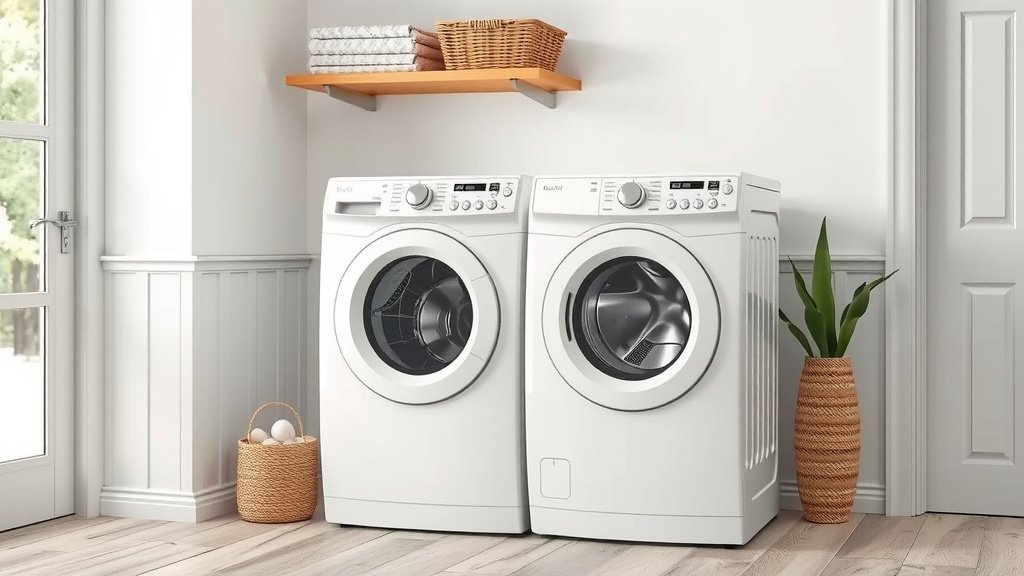
Putting It All Together: A Quick Checklist
To make sure you haven’t missed anything, here’s a handy checklist for planning your washer and dryer space:
- Measure the width of each appliance (approx. 30 inches).
- Measure the depth of each appliance (approx. 30-34 inches).
- Add space for hoses and connections (approx. 4-6 inches depth).
- Check the door swing or lid lift clearance needed.
- Ensure ample walking space in front (at least 3 feet).
- Plan for access space behind for maintenance (at least 12 inches).
Conclusion
You’ve learned that fitting your washer and dryer involves more than just the appliance dimensions. Remembering to account for door swings, hose connections, and essential walking and maintenance space will make a huge difference. Don’t forget that a little extra room prevents frustration and potential damage. Your goal is a smooth-running, accessible laundry zone. Take these measurements and your planning to the next level, ensuring your laundry setup works perfectly for your home and your routine!
Frequently Asked Questions
What’s the minimum space needed for a washer and dryer side-by-side?
For most standard washers and dryers placed side-by-side, you’ll need at least 60 inches of total width (30 inches per appliance). It’s wise to add a few extra inches for easier access and installation.
Can I stack my washer and dryer in a small space?
Yes, stacking is a great space-saving solution. You’ll need enough vertical height for both machines, typically around 70-80 inches, plus clearance for connections and door swings.
How much clearance do I need for a front-load washer door?
Front-load washer doors swing outwards, often needing up to 20 inches of clear space. Ensure the path is unobstructed so you can easily load and unload clothes.
Is 30 inches of depth enough for a washer and dryer plus hoses?
While the appliance depth might be around 30-34 inches, you need to add 4-6 inches for water hoses and the dryer vent. Plan for a total depth of at least 36-40 inches.
Do I really need 3 feet of walking space in front of my machines?
Having about 3 feet of clear space in front of your washer and dryer makes a significant difference. It allows you to comfortably load, unload, fold clothes, and move around without feeling cramped.




![7 Is It Best To Have An Agitator In A Washer [In 2026]](https://homeunderstandable.com/wp-content/uploads/2026/08/7-is-it-best-to-have-an-agitator-in-a-washer-in-2026-featured-768x432.jpg)