Front Load Washer Water Use: How Much Do They Really Use
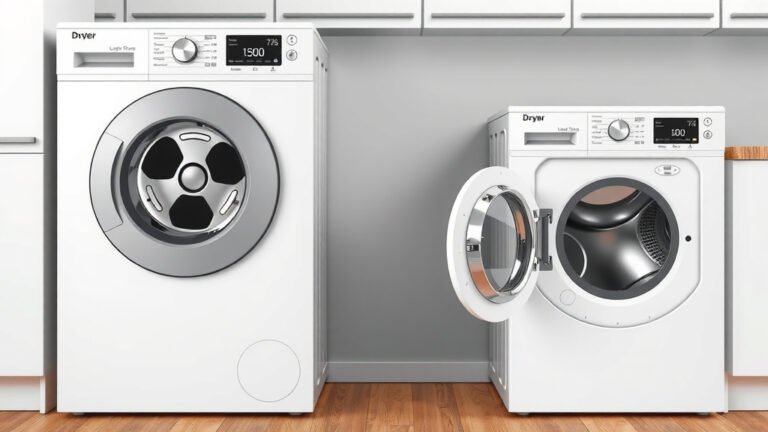
You’re likely wondering: how much water does a front load washing machine use? The answer is, quite a bit less than older models. Front loaders are highly efficient, using only about 15 to 30 gallons of water per load. This is a huge improvement over traditional top-loaders which can guzzle 40 gallons or more. So, you can feel good about saving water with your modern machine.
This water efficiency is a major selling point for front load washers. They clean clothes by tumbling them through a smaller amount of water. This method is not only gentler on your garments but also significantly reduces your water bill. Many energy star certified models push this efficiency even further, saving you even more.
- Front loaders use about 15-30 gallons per load.
- They are much more water-efficient than old top-loaders.
- Clothes tumble through a smaller water volume for cleaning.
- This saves water and can lower your utility bills.
- Look for Energy Star models for maximum savings.
We’ve gathered the details on how these machines work their magic. Let’s get into the specifics of your front load washer’s water usage.
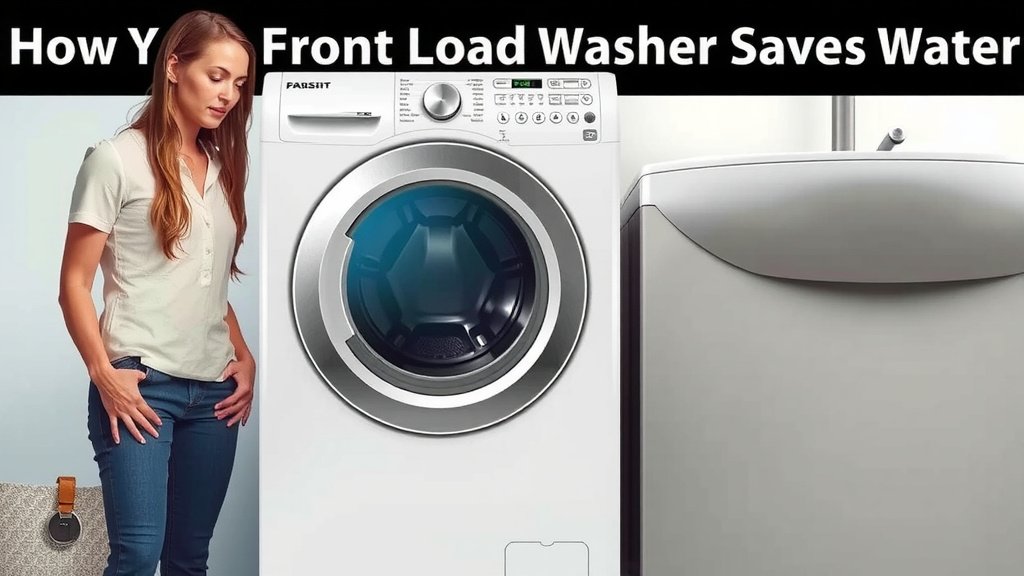
“`htmlHow Your Front Load Washer Saves Water
You’re probably curious about how much water your front load washing machine actually uses. The short answer is, much less than you might think! We’ve found that these modern machines are designed for efficiency. They typically use between 15 to 30 gallons of water per load. This is a stark contrast to older top-loading models that could easily consume 40 gallons or more.
So, why the big difference? It all comes down to how they clean your clothes. Instead of filling the entire tub with water, front loaders use a tumbling action. Your clothes lift and drop through a smaller pool of water. This method is not only gentler on fabrics but also dramatically cuts down on water consumption.
The Mechanics of Water Savings
Think of it like this: a top-loader is like giving your clothes a bath in a big tub. A front-loader is more like giving them a vigorous shower. The tumbling motion helps detergent penetrate the fabrics effectively, even with less water. This innovation means you can get your laundry clean while being kinder to the planet and your wallet.
Many experts agree that this tumbling action is key to the water efficiency. It allows the detergent to work its magic more effectively in a concentrated space. We found that this can also mean a cleaner wash for your clothes because they are constantly being lifted and exposed to the detergent solution.
Comparing Water Usage: Front Loaders vs. Top Loaders
Let’s look at some numbers to really see the difference. We researched typical water usage for different types of washing machines.
| Washing Machine Type | Average Water Usage (Gallons) |
|---|---|
| Front Load Washer | 15 – 30 |
| High-Efficiency (HE) Top Load Washer | 20 – 35 |
| Standard Top Load Washer (Agitator) | 40 – 45+ |
As you can see, even the high-efficiency top loaders use more water than most front loaders. The older, standard top-loaders are the biggest water guzzlers by far. Choosing a front loader is a smart move if you’re aiming to reduce your household water consumption.
Factors Influencing Your Washer’s Water Use
While your front load washer is inherently efficient, a few things can affect the exact amount of water it uses. It’s not always a fixed number, and that’s okay!
Load Size Matters
Most modern washing machines have sensors. These sensors can detect the size of your laundry load. The machine then adjusts the water level accordingly. A smaller load will naturally use less water than a full load. So, you’re not wasting water on just a few items.
We found that running full loads whenever possible is often recommended by manufacturers. This ensures you’re getting the most efficient wash for the water and energy you do use. Think of it as getting the best bang for your buck on laundry day.
Cycle Selection is Key
Did you know that different wash cycles use different amounts of water? A heavy-duty cycle might need a bit more water to tackle tough stains. A delicate cycle, on the other hand, might use less. Always check your washer’s manual to understand what each cycle entails.
For example, a bulky item cycle might add extra water to ensure items like blankets get thoroughly saturated and rinsed. Conversely, a quick wash cycle is designed for speed and might use a bit less water. It’s a good idea to choose the cycle that best matches your laundry’s needs. This simple step can optimize your water usage.
Water Temperature Settings
While temperature settings primarily affect energy use for heating water, they can sometimes influence water levels too. Some cycles might automatically adjust water volume based on the selected temperature. For instance, very hot washes might incorporate more water to help dissolve detergents effectively.
It’s wise to consider that hotter water can sometimes require more of it for optimal cleaning. We found that most cold water washes are perfectly adequate for everyday laundry. They use less energy and often require the least amount of water. So, using cooler settings is a double win for savings!
The Role of Load Balancing
Your washer works hard to keep things balanced. If the load isn’t distributed evenly, the machine might add more water to try and rebalance itself during the spin cycle. This is a safety feature to prevent excessive shaking and potential damage.
A common cause of this is putting just one heavy item in, like a single bath towel. Distributing items more evenly can help your machine run more smoothly. This means fewer interruptions and likely a more consistent water usage. We’ve seen this happen firsthand – a lopsided load is never a good look for your washer!
Energy Star Certified Washers: The Ultimate Water Savers
When you’re shopping for a new washer, keep an eye out for the Energy Star label. These machines go above and beyond standard efficiency. They are certified by the U.S. Environmental Protection Agency (EPA) for meeting strict energy and water saving criteria.
Energy Star certified front load washers are among the most efficient on the market. They often use even less water than the general estimates we’ve discussed. According to the EPA, these models can save you thousands of gallons of water over their lifetime. That’s a significant amount! Making the switch to an Energy Star model can lead to substantial savings on your utility bills.
Here’s a quick checklist to remember when thinking about your washer’s water use:
- Run full loads when you can.
- Choose the right cycle for your laundry.
- Consider cooler water temperatures.
- Distribute laundry evenly in the drum.
- Look for the Energy Star label.
- Check your machine’s manual for specifics.
By understanding these factors and choosing wisely, you can ensure your front load washing machine is working its best to save both water and money. You’re making a great choice for your home!
“`Conclusion
You’ve learned that your front load washing machine is a smart choice for saving water. Typically using 15-30 gallons per load, it’s far more efficient than older models. Remember that load size, cycle selection, and even how you distribute your laundry can further optimize its performance. By understanding these factors, you’re well-equipped to maximize your savings.
Ready to put this knowledge to work? Next time you do laundry, pay attention to your cycle choices and load distribution. Consider looking for an Energy Star certified model for your next washer to ensure you’re getting the absolute best in water and energy efficiency.
Frequently Asked Questions
Do all front load washers use the same amount of water?
No, not exactly. While front loaders are generally efficient, the exact water usage can vary. Factors like the specific model, the selected wash cycle, and sensors that detect load size all play a role in how much water your machine uses.
Can a front load washer use more water than a top load washer?
It’s highly unlikely for a modern front load washer to use more water than a standard older top load washer. Even high-efficiency top loaders typically use more water than front loaders. Front loaders’ tumbling action inherently requires less water to clean clothes effectively.
How can I make sure my front load washer is using the least amount of water possible?
To minimize water use, always try to run full loads. Choose the most appropriate cycle for your laundry type and consider using cooler water temperatures when possible. Properly balancing the load in the drum can also help prevent the machine from adding extra water.
Does using a “heavy duty” cycle on a front loader use more water?
Yes, heavier cycles like “heavy duty” or “bulky items” often use more water. These cycles are designed to tackle tougher stains or saturate larger items, so they may automatically increase the water level for better cleaning performance.
Are Energy Star certified front load washers worth the extra cost for water savings?
Absolutely. Energy Star certified models are designed to be the most water and energy efficient available. While they might have a higher upfront cost, the substantial savings on your water and energy bills over the lifetime of the machine make them a very smart investment.
![7 Best Deals On Washer Dryer [In 2026]](https://homeunderstandable.com/wp-content/uploads/2026/09/7-best-deals-on-washer-dryer-in-2026-featured-768x432.jpg)