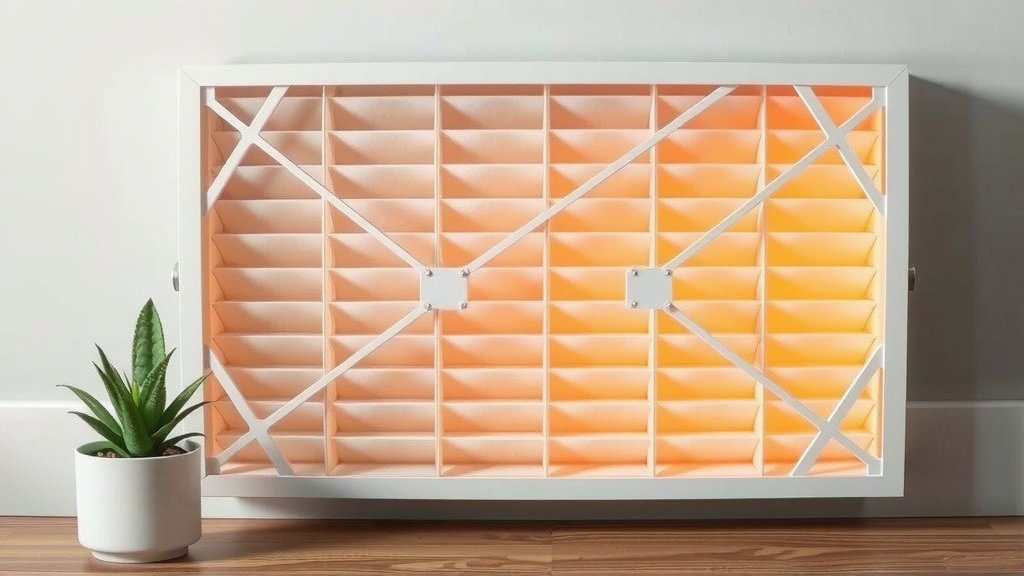
How Often to Change Your Air Purifier Filter
You should typically change your air purifier filter every 6 to 12 months. This timeframe can vary depending on your specific model and the air quality in your home. Ignoring filter changes means your purifier struggles to clean your air effectively.
When a filter gets clogged, it reduces airflow. This makes your air purifier work harder and less efficiently. It can also lead to unpleasant odors and, in some cases, even damage the unit. Think of it like trying to breathe through a dirty cloth – not very effective!
- Most filters need changing every 6-12 months.
- Check your air purifier’s manual for specific recommendations.
- Consider air quality: allergies, pets, and pollution affect filter life.
- A dirty filter means less clean air and more work for your purifier.
Let’s walk through exactly how to know when it’s time to swap out that filter and what factors play a role.
When Should You Swap Out Your Air Purifier Filter?
Knowing when to replace your air purifier filter is key. Most manufacturers suggest a replacement every 6 to 12 months. This general rule works for many users. But, your specific situation might call for more frequent changes. Think of it like changing the oil in your car. The manual gives a guideline, but driving conditions can change that.
Understanding Your Air Purifier’s Filter Lifespan
Your air purifier’s manual is your best friend here. It will have the most accurate information for your exact model. Different brands and types of filters are designed differently. Some might last longer than others. You wouldn’t want to miss a critical replacement window or swap one out too early.
HEPA Filters: The Workhorses
HEPA filters are incredibly effective at capturing tiny particles. We found that these filters often have a lifespan of 6 to 12 months under normal use. They trap dust, pollen, pet dander, and mold spores. Over time, these particles clog the filter’s media. This makes it harder for air to pass through.
Activated Carbon Filters: Odor Eaters
Activated carbon filters are great for removing odors and VOCs (volatile organic compounds). These filters can also get saturated. Their lifespan is often similar to HEPA filters, around 6 to 12 months. But, if your home has strong odors from cooking, smoke, or pets, you might need to change them sooner.
Factors That Impact Filter Life
Several things can speed up the wear and tear on your air purifier filters. Being aware of these factors can help you make smarter decisions about replacements.
Your Home’s Air Quality
This is a big one. If you live in an area with high air pollution, your filter will work harder. Think of smoggy cities or areas near busy highways. You’ll likely need to change your filter more often. We found that homes with consistently poor air quality see filters clog faster.
Presence of Allergens and Pets
Do you have furry friends at home? Or perhaps someone in your household suffers from allergies? Pet dander and allergens are common culprits for clogging filters. If you have multiple pets or severe allergies, plan to check your filter more frequently. Many allergy sufferers find relief with regular filter changes.
Household Habits and Activities
Simple daily activities can impact your filter’s life. Smoking indoors is a major factor. Smoke particles are very fine and will quickly saturate a filter. Even frequent cooking, especially frying, can release grease and particles into the air. If you’re a regular smoker indoors or a gourmet chef, prepare for more frequent replacements.
Runtime of Your Air Purifier
How often do you run your air purifier? If you leave it on 24/7, the filter will naturally wear out faster than if you only use it for a few hours a day. A general rule of thumb is that 3,000 hours of use is a common benchmark for filter replacement. If your unit runs constantly, you’ll hit that mark sooner.
Signs Your Air Purifier Filter Needs Changing
Besides the recommended timeline, your air purifier might give you clues. Watching for these signs can save you from breathing less-than-fresh air.
Reduced Airflow and Performance
Have you noticed that the air coming out of your purifier isn’t as strong as it used to be? This is a classic sign of a clogged filter. The fan has to work harder to push air through the dense, dirty filter. This leads to weaker airflow and reduced cleaning power. It’s like trying to sip a thick milkshake through a tiny straw.
Unpleasant Odors
Air purifiers are meant to eliminate odors, not create them! If you start noticing a musty or stale smell when your purifier is running, your filter is likely the culprit. The trapped particles and pollutants can start to break down or hold onto moisture, leading to odors. Many experts suggest this is a clear indicator it’s time for a change (Cleveland Clinic).
Visible Dirt and Grime
Sometimes, the evidence is right before your eyes. If you can see a thick layer of dust or discoloration on the filter, it’s definitely time to replace it. For pre-filters, you might see a lot of visible dust. For HEPA or carbon filters, they might turn a dingy gray or brown. Always check the manufacturer’s guide on how to access and inspect your filter.
Indicator Lights
Many modern air purifiers come with built-in filter replacement indicator lights. These are designed to take the guesswork out of it. They often track runtime or sense pressure changes. When the light comes on, it’s a direct signal from your machine that it’s time for a fresh filter. This is a super convenient feature to rely on!
A Quick Checklist for Filter Changes
Here’s a simple way to remember when to check your filter:
- Check your manual for the recommended replacement schedule.
- If you have pets or allergies, inspect monthly.
- If you smoke indoors, check every 2-3 months.
- If your purifier has an indicator light, pay attention to it.
- Notice any decrease in airflow or new odors? Time to check!
- Visually inspect the filter for heavy dust or discoloration.
The Importance of Regular Filter Maintenance
Skipping filter changes can have consequences. A clogged filter forces your air purifier to work overtime. This uses more energy and can shorten the lifespan of the unit itself. More importantly, a dirty filter can’t effectively remove pollutants. This defeats the purpose of having an air purifier in the first place. We found that consistent filter maintenance leads to the best air quality results for your home.
Conclusion
You’ve learned that changing your air purifier filter isn’t a one-size-fits-all task. While 6 to 12 months is a common guideline, your home’s specific conditions matter most. Factors like air quality, pets, household habits, and how often you run your purifier all play a role. Don’t wait for indicator lights; watch for signs like reduced airflow or odors. By staying on top of filter changes, you ensure your purifier works efficiently and keeps your air truly clean. Your next step? Check your air purifier’s manual today and schedule your first filter inspection based on what you’ve learned.
Frequently Asked Questions
How do I know if my air purifier filter needs changing if there’s no indicator light?
If your purifier lacks an indicator light, rely on other cues. Regularly check for visible dust and discoloration on the filter. Also, pay attention to reduced airflow coming from the unit or any new, unpleasant odors. These are strong signals that it’s time for a replacement.
Can I wash and reuse my air purifier filter?
Generally, no. Most standard air purifier filters, especially HEPA and activated carbon types, are designed for single use. Washing them can damage the delicate filter media and make them ineffective. Always check your manual to confirm if a pre-filter is washable, but the main filters should be replaced.
My air purifier is running all the time. Does that mean I need to change the filter faster?
Yes, absolutely. If your air purifier runs 24/7, its filter will accumulate particles much faster than one used only occasionally. A common benchmark for filter replacement is around 3,000 hours of use. Constant operation means you’ll reach that usage threshold sooner, likely requiring more frequent changes than the standard 6-12 month recommendation.
Does smoking indoors significantly shorten air purifier filter life?
Yes, smoking indoors is one of the biggest factors that will shorten your filter’s life. Smoke particles are incredibly fine and saturate filters very quickly. If you smoke inside, you should expect to check and replace your filter much more often, potentially every 2-3 months, rather than the typical 6-12 months.
What happens if I never change my air purifier filter?
If you never change your air purifier filter, its effectiveness will drastically decrease. A clogged filter restricts airflow, making the unit work harder, use more energy, and potentially shorten its lifespan. Most importantly, it won’t be able to capture new pollutants, meaning you’re not getting cleaner air, and the old, trapped particles might even start to smell.
![What Is The Best Indoor Plant for Purifying Air [In 2026]](https://homeunderstandable.com/wp-content/uploads/2025/05/best-indoor-plant-for-purifying-air.jpg)