How Often Should You Change Air Purifier Filters
You should change your air purifier filter every 6 to 12 months, though this can vary. The exact timing depends on how much you use your purifier and the air quality in your home. This regular replacement ensures your purifier works its best.
Ignoring filter changes can lead to a drop in performance. A clogged filter struggles to pull in air. This means fewer pollutants are captured. It might also cause your purifier to work harder, using more energy. We found that keeping your filter clean is key.
- Filters typically last 6-12 months.
- Heavy use means more frequent changes.
- Poor air quality shortens filter life.
- A clean filter protects your purifier’s motor.
Ready to dive deeper? Below, we’ll walk through everything that affects your filter’s lifespan and when it’s time for a fresh one.
“`htmlWhen Should You Replace Your Air Purifier Filter?
So, you’ve got an air purifier humming along, doing its thing to make your home’s air cleaner. That’s fantastic! But how often does that little filter inside need a refresh? Most manufacturers suggest a filter change anywhere from every 6 to 12 months. Think of it like changing the oil in your car. It’s a maintenance task that keeps your machine running smoothly and efficiently.
However, that 6-12 month window is a general guideline. Your specific situation might mean you need to swap it out sooner. It really boils down to a few key factors that can speed up or slow down the filter’s journey to being ‘done.’ We’ve looked into what makes a difference, and it’s pretty straightforward.
Factors Affecting Filter Lifespan
How Much Are You Using Your Air Purifier?
This is a big one. If you run your air purifier 24/7, it’s working overtime to clean your air. This constant operation means the filter is constantly trapping particles. The more air it processes, the faster it gets clogged. If your purifier is always on, you might be looking at changes closer to the 6-month mark.
On the flip side, if you only use your purifier during specific times, like when you’re cooking or when allergies are particularly bad, the filter will last longer. You might get closer to that 12-month average. It’s all about the total volume of air the filter has had to tackle.
What’s the Air Quality Like in Your Home?
This is where your environment plays a huge role. Do you live in a busy city with lots of traffic and pollution outside? Does someone in your household smoke indoors? Are there pets constantly shedding fur and dander? Do you have allergies or asthma, meaning you’re sensitive to even tiny airborne particles?
All these things contribute to more **pollutants in your air**. A filter’s job is to capture these unwanted guests. If there are a lot of them, the filter will fill up much quicker. Many experts say that homes with pets or heavy smokers might need filter changes as often as every 3 to 4 months. That’s a significant difference from the standard guideline!
Pet Owners’ Concerns
Pets are wonderful, but they do bring extra dander and hair into the air. This **animal dander** can quickly clog up air purifier filters. If you have multiple pets or breeds that shed a lot, you’ll likely need to check your filter more often. We’ve found that some pet owners even opt for specialized filters designed to tackle pet odors and dander more effectively.
Allergy Sufferers’ Needs
For individuals dealing with allergies or asthma, maintaining clean air is paramount. A well-functioning air purifier can be a lifesaver. However, if the filter is dirty, it can’t do its job. This means **allergen particles** like pollen, dust mites, and mold spores might continue to circulate. In these cases, many allergy associations suggest keeping a closer eye on your filter and potentially changing it every 4-6 months, especially during peak allergy seasons.
Type of Air Purifier Filter
Not all filters are created equal. The most common type, a HEPA filter, is highly effective. However, some air purifiers use a combination of filters. You might have a pre-filter, a HEPA filter, and an activated carbon filter. Each plays a role, and their lifespans can vary.
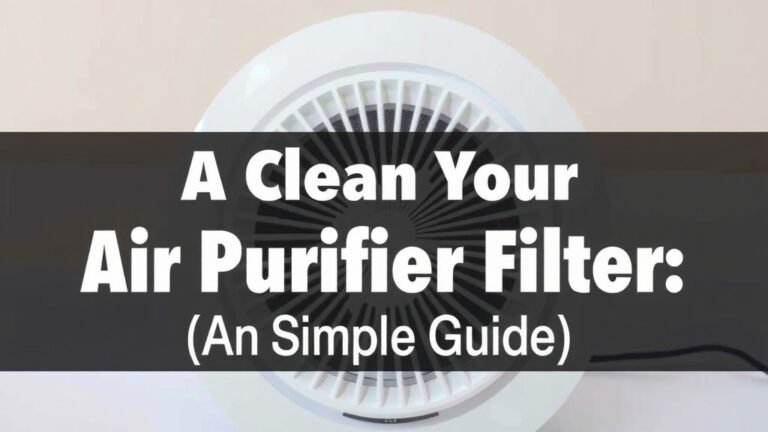
Pre-filters often catch larger particles like hair and dust bunnies. They are usually washable, which can extend their life. The HEPA filter captures smaller particles. Activated carbon filters are great for odors and gases. Often, the HEPA and carbon filters are combined and cannot be cleaned, needing replacement.
We found that some models have **integrated filters** where all layers are replaced at once. These are typically the ones following the 6-12 month replacement schedule. Others might have separate filters with different change recommendations. Always check your specific model’s manual!
Signs Your Air Purifier Filter Needs Changing
Beyond the calendar, your air purifier can actually tell you when it’s time for a new filter. Pay attention to these signals:
- Reduced Airflow: You’ll notice less air coming out of the purifier. It feels like it’s struggling to push air through.
- Increased Noise: A clogged filter makes the motor work harder. This can result in a louder, more strained sound.
- Unpleasant Odors: If your air purifier starts to smell musty or smoky, it means the filter is saturated and can no longer trap odors effectively.
- Visible Dirt and Debris: Sometimes, you can see a thick layer of dust and particles on the filter surface if you were to inspect it.
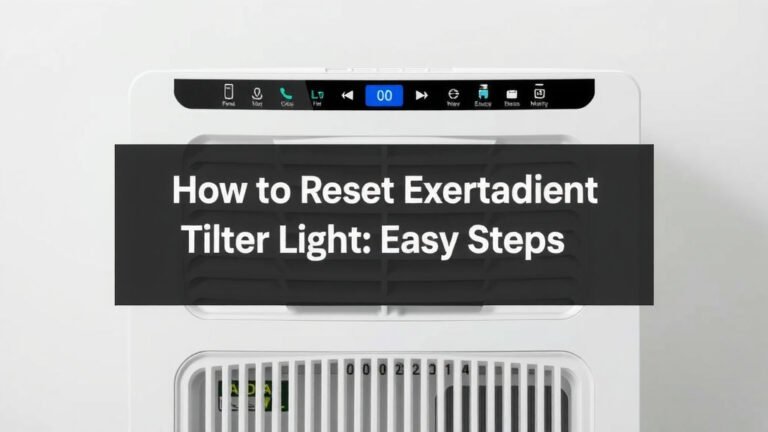
- Indicator Lights: Many modern air purifiers have a ‘change filter’ light that will illuminate when it’s time.
Why Filter Replacement is So Important
Skipping filter changes isn’t just about performance; it can harm your purifier and your health. A **clogged filter** acts like a blocked artery for your air purifier. It restricts airflow, making the motor overwork. This wasted energy means higher electricity bills.
More importantly, a dirty filter can become a breeding ground for bacteria and mold. These can then be dispersed back into your air. The Centers for Disease Control and Prevention (CDC) stresses the importance of **regular maintenance** for air cleaning devices to ensure they function as intended. A clean filter is your best defense against indoor air pollutants.
Filter Maintenance Checklist
To keep your air purifier running optimally, consider these easy steps:
- Check your air purifier’s manual for specific filter recommendations.
- Note down the date you last replaced the filter.
- Physically inspect your filter every few months if you have pets or allergies.
- Listen for changes in your purifier’s noise level.
- Replace the filter promptly when an indicator light comes on.
- Consider purchasing replacement filters in advance to avoid delays.
By staying on top of your filter changes, you ensure your air purifier continues to provide the clean, fresh air you and your family deserve. It’s a small effort that makes a big difference in your home’s air quality and the longevity of your appliance.
“`Conclusion
You’ve learned that changing your air purifier filter isn’t a one-size-fits-all task. While 6 to 12 months is a common guideline, your usage and home environment play a big role. Factors like pets, smoking, or allergies can mean you need to change it more often. Regularly checking for signs like reduced airflow or increased noise ensures your purifier works effectively. Taking these simple steps protects your health and your appliance.
Your next step is to check your air purifier’s manual for its specific recommendations and then set a reminder to inspect your filter periodically. Your lungs will thank you for it!
Frequently Asked Questions
How do I know if my air purifier filter needs changing if there’s no indicator light?
If your purifier doesn’t have a light, listen for increased noise or notice reduced airflow. You can also visually inspect the filter for a thick layer of dust and debris. These are clear signs it’s time for a replacement.
Can I clean my air purifier filter instead of replacing it?
Some pre-filters are washable, which can extend their life. However, HEPA and activated carbon filters are generally not designed to be cleaned. Washing them can damage their structure and reduce their effectiveness, so replacement is usually necessary.
How often should I change my air purifier filter if I live alone and have no pets?
If you live alone, have no pets, and generally good air quality, you can likely follow the manufacturer’s recommendation of 6 to 12 months. However, it’s still wise to check it every few months for dust accumulation.
What happens if I don’t change my air purifier filter often enough?
An old, clogged filter will stop capturing pollutants effectively, meaning your air quality won’t improve. It can also cause the purifier’s motor to work harder, leading to reduced efficiency and potentially a shorter lifespan for the unit.
Should I buy replacement filters in advance?
Yes, it’s often a good idea to have replacement filters on hand. This way, you won’t have to wait for a new filter to arrive when yours needs changing, ensuring uninterrupted clean air in your home.
![5 Best Air Purifier for Classroom Covid [In 2026]](https://homeunderstandable.com/wp-content/uploads/2025/06/best-air-purifier-for-classroom-covid-top-picks-for-clean-air-768x512.jpg)