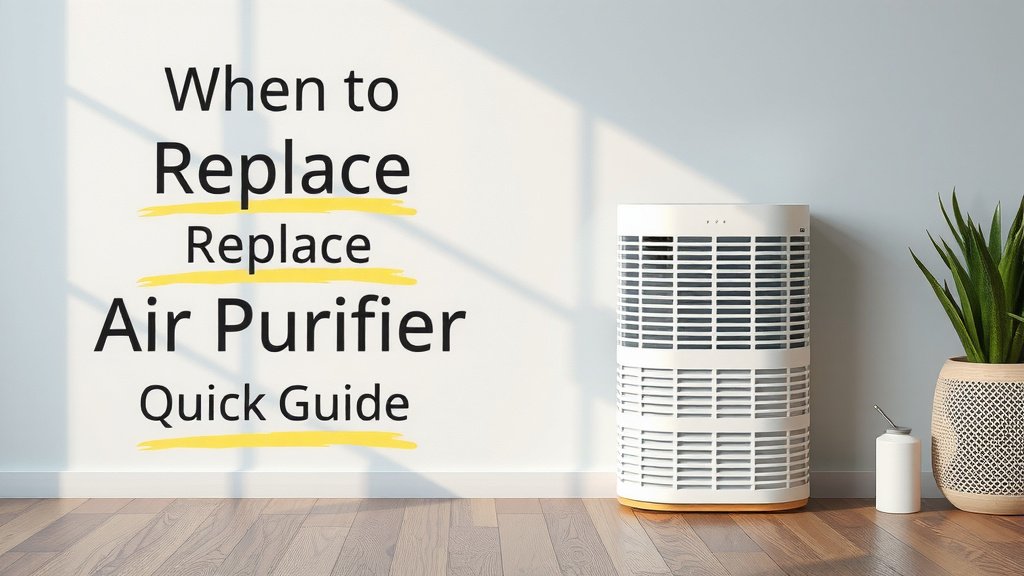
When to Replace Air Purifier Filters: A Quick Guide
You generally need to replace your air purifier filter every 6 to 12 months, depending on the type of filter and your home’s air quality. This ensures your purifier continues to effectively capture dust, allergens, and other pollutants. Ignoring it means your air could become less clean over time.
Understanding when to swap out your filter is key to maintaining healthy indoor air. Factors like the size of your home, the presence of pets, and local air pollution levels all play a role. We found that most manufacturers recommend a replacement schedule, but there are signs to watch for.
- General rule: Replace every 6-12 months.
- Check manufacturer advice: Always refer to your specific model.
- Consider air quality: More dust/allergens means more frequent changes.
- Watch for signs: Reduced airflow or strange smells are red flags.
Below, we’ll walk you through exactly how often you should replace your air purifier filter and what signs tell you it’s time for a fresh one.
When Do Air Purifier Filters Actually Need Changing?
You’re probably wondering about the sweet spot for air purifier filter replacement. We found that most experts agree: a good rule of thumb is to change your filter every 6 to 12 months. This timeframe is a general guideline, and your specific needs might shift that a bit. Think of it like changing the oil in your car. Too long, and things start to get a bit… grimy.
Your air purifier works hard for you. It’s constantly pulling in air, trapping pollutants, and sending cleaner air back into your rooms. Over time, that filter gets clogged up. This means it can’t do its job as well, and you might not be breathing the freshest air possible. Keeping that filter fresh ensures your purifier continues to be the superhero your indoor environment needs.
Factors Influencing Your Air Purifier Filter Lifespan
So, why the 6-12 month range? Several things can affect how quickly your filter fills up. It’s not a one-size-fits-all situation, and understanding these factors will help you decide when it’s truly time for a swap.
Your Home Environment Matters
Consider your living space. Do you have pets? Are there smokers in the house? Do you live in an area with a lot of outdoor pollution, like near a busy highway or in a city with poor air quality? These elements can drastically shorten your filter’s life. For instance, pet dander is a big one. If you have furry friends, you might need to change your filter more often than someone without pets. Research consistently shows that homes with pets require more frequent filter changes (Cleveland Clinic).
Think about your daily routines, too. Cooking can release particles into the air. Burning candles or incense can also add to the particulate load. Even opening windows frequently can let in more outdoor dust and allergens, especially during allergy season. All these can contribute to a filter filling up faster than you might expect.
The Type of Filter You’re Using
Not all air purifier filters are created equal. The most common types are HEPA filters and activated carbon filters, and sometimes they work together. HEPA filters are excellent at capturing tiny particles like dust, pollen, and pet dander. Activated carbon filters, on the other hand, are great for absorbing odors, gases, and VOCs (volatile organic compounds).
HEPA Filters: The Particle Trappers
True HEPA filters are designed to capture at least 99.97% of airborne particles 0.3 microns in size. Because they catch so much, they can become saturated with these particles. We found that manufacturers often suggest replacing HEPA filters every 6 to 12 months, but heavy use can mean they last closer to the 6-month mark.
Activated Carbon Filters: The Odor Eaters
Activated carbon filters work by adsorption, where gases and odors stick to the carbon’s surface. This process has a finite capacity. Once the carbon is saturated, it can no longer absorb effectively, and sometimes, it can even start to release trapped odors back into the air. Because of this, activated carbon filters may need replacement more frequently, often every 3 to 6 months, especially if you’re dealing with strong odors.
How Often You Run Your Air Purifier
This one seems obvious, right? If your air purifier is running 24/7, its filter will get dirty much faster than if you only run it for a few hours a day. Continuous operation means continuous filtering. We found that units used constantly in larger homes or in areas with high pollution levels will naturally experience more wear and tear on their filters.
If you only turn on your air purifier when you notice a specific problem, like a strong smell or a lot of dust, the filter might last longer. However, for consistent air quality improvement, many people run their purifiers on lower settings most of the time. This still adds up, so it’s good to keep an eye on that filter’s condition.
Signs It’s Time for a New Air Purifier Filter
Beyond the recommended schedule, your air purifier will often give you clues that its filter needs attention. Paying attention to these signs can prevent your purifier from becoming less effective or even counterproductive.
Reduced Airflow from Your Unit
One of the most noticeable signs is a decrease in the amount of air coming out of your purifier. If you’ve noticed that the fan seems weaker, or the air stream isn’t as strong as it used to be, a clogged filter is likely the culprit. It’s like trying to breathe through a straw with a piece of tissue stuck in it – it just doesn’t flow well!
Unpleasant Odors
If your air purifier starts to smell, that’s a pretty clear indicator. A clean filter should not emit odors. If you detect musty, stale, or even unpleasant smells coming from your unit, it’s a strong sign that the filter is saturated. Especially with activated carbon filters, a full filter can’t capture new smells and might start releasing trapped ones.
Visible Dirt or Discoloration on the Filter
If you can access your filter, take a peek. Does it look gray, black, or visibly coated in dust and grime? A new filter is usually white or a light color. If it’s darkened significantly, it’s doing its job, but it’s also time to replace it. Some manufacturers even include a pre-filter that catches larger debris, and this might look dirty long before the main filter is affected.
Your Air Quality Doesn’t Seem to Improve
Are you still experiencing allergy symptoms? Is the dust accumulating just as quickly as before? If you’ve noticed your indoor air quality hasn’t improved, or has even worsened, despite running your air purifier, a dirty or old filter is a likely cause. It simply can’t do its job effectively when it’s overloaded.
Manufacturer Recommendations: Your Best Bet
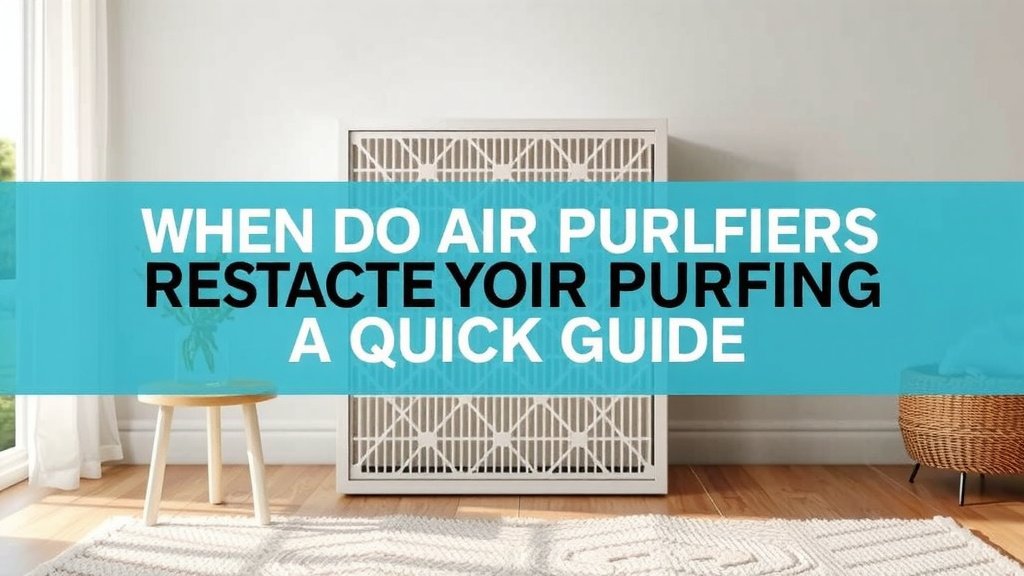
While we’ve covered general guidelines and signs, always remember to check your air purifier’s manual. Manufacturers know their machines best. They will provide specific recommendations for filter replacement based on the design and components of your particular model. Many modern air purifiers even have indicator lights that will tell you when it’s time to change the filter, taking the guesswork out of it.
We found that these recommendations are usually found in the user manual, often in a dedicated section about maintenance. Some brands also provide this information on their websites. Following the manufacturer’s advice is usually the most reliable way to ensure your air purifier operates at peak performance.
Here’s a quick checklist to help you stay on track:- Check your air purifier’s manual for the manufacturer’s recommended replacement schedule.
- Note how often you run your air purifier daily.
- Consider if you have pets or smokers in your home.
- Assess your local air quality conditions.
- Pay attention to reduced airflow from the unit.
- Watch for any new or unpleasant odors emanating from the purifier.
Conclusion
You’ve learned that replacing your air purifier filter isn’t a set-it-and-forget-it task. While 6 to 12 months is a common guideline, your home’s unique conditions play a big role. Factors like pets, your local air quality, and even how often you run your unit can speed up the process. Always watch for signs like reduced airflow or new odors, which signal it’s time for a change.
Your best bet is always to consult your manufacturer’s recommendations. By staying on top of filter changes, you ensure your air purifier continues to work efficiently, providing you with cleaner, healthier air. Make checking and replacing your filter a regular part of your home maintenance!
Frequently Asked Questions
How do I know if my air purifier filter needs replacing before the recommended time?
You can often tell by paying attention to your unit’s performance. If you notice a significant drop in the airflow coming from your air purifier, or if you start to detect unpleasant smells that weren’t there before, it’s a strong sign the filter is overloaded and needs changing sooner. Visible dirt on the filter is another clue.
Can I wash and reuse my air purifier filter instead of buying a new one?
For most types of filters, especially HEPA and activated carbon filters, washing is not recommended and often not possible. These filters are designed to trap tiny particles and odors, and once they are saturated or clogged, their effectiveness is permanently reduced. Attempting to wash them can damage the filter material and make them less efficient.
What happens if I don’t replace my air purifier filter often enough?
If you don’t replace your filter, its ability to clean your air will decrease significantly. A clogged filter restricts airflow, making the unit work harder and less effectively. In some cases, a saturated filter can even start to release trapped pollutants or odors back into your room, negatively impacting your indoor air quality.
Does running my air purifier on a higher setting mean I need to change the filter more often?
Yes, running your air purifier on a higher setting means the fan is working harder and pulling more air through the filter. This increased usage will cause the filter to collect pollutants and become saturated faster, likely requiring replacement sooner than if you ran it on a lower, intermittent setting.
Are air purifier filter replacement lights always accurate?
Most air purifier filter indicator lights are quite accurate and a helpful guide. They are typically based on the estimated usage time or fan hours. However, they are still estimates. If you notice any of the other signs of a dirty filter, like reduced airflow or odors, it’s best to check or replace the filter even if the indicator light hasn’t come on yet.