How Often to Change Your Air Purifier Filter
You’ll typically need to change your air purifier filter every 6 to 12 months. This timeframe can vary depending on the type of filter and how often you use your air purifier. Regularly replacing your filter helps ensure your air purifier continues to work effectively.
When you first set up your air purifier, you might wonder about its maintenance. Many factors influence how quickly a filter gets dirty. These include the air quality in your home and the size of your purifier. Ignoring filter changes can reduce performance and even cause harm.
- Filters usually last 6-12 months.
- Usage and air quality affect filter life.
- Check your air purifier’s manual for specifics.
- Dirty filters mean less clean air.
- Replacement keeps your purifier efficient.
Let’s break down exactly how often you should be changing your air purifier filter and why it matters so much for your home’s air quality.
When Should You Replace Your Air Purifier Filter?
You’re probably wondering about the magic number for air purifier filter changes. It’s not a one-size-fits-all answer. Most manufacturers suggest replacing your filter every **6 to 12 months**. Think of it like changing the oil in your car; it needs regular upkeep to run smoothly.
This general timeframe is a good starting point. However, several factors can make your filter last longer or require an earlier swap. Paying attention to these details ensures you get the most bang for your buck and, more importantly, the cleanest air possible.
Understanding Different Filter Types and Their Lifespans
Not all air purifier filters are created equal. The material and design of your filter play a big role in how often you’ll need to replace it. Let’s look at the most common types you’ll find:
HEPA Filters: The Workhorses
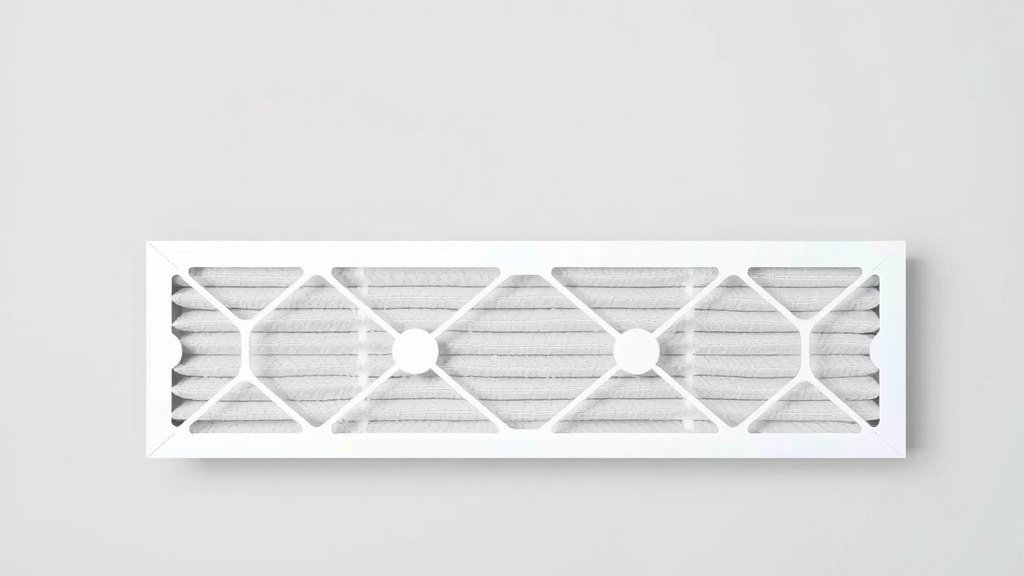
High-Efficiency Particulate Air (HEPA) filters are designed to capture tiny particles like dust, pollen, pet dander, and mold spores. Most HEPA filters are rated to last between **6 to 12 months** with typical use. Their effectiveness relies on trapping these particles. Once they’re full, they can’t capture much more.
True HEPA vs. HEPA-like
It’s important to know what “True HEPA” means. A True HEPA filter must capture at least 99.97% of particles that are 0.3 microns in size. “HEPA-like” or “HEPA-type” filters might capture a good amount, but they don’t meet this strict standard. Always look for the “True HEPA” label for the best performance.
Activated Carbon Filters: The Odor Eaters
These filters are fantastic for absorbing odors, gases, and volatile organic compounds (VOCs). Think cooking smells, pet odors, or smoke. Activated carbon filters often have a shorter lifespan than HEPA filters because they become saturated with absorbed pollutants. You might need to replace these every **3 to 6 months**, sometimes even sooner if your home has strong odors.
Pre-filters: The First Line of Defense
Many air purifiers have a washable pre-filter. This layer catches larger particles like hair and lint. It protects the HEPA filter, helping it last longer. Since they are often washable, you don’t “replace” them. Instead, you simply clean them regularly. We recommend washing your pre-filter every **2 to 4 weeks**.
Factors That Influence Filter Lifespan
Your home environment isn’t static, and neither is your air purifier’s workload. Several real-world conditions can impact how quickly your filter needs changing. Understanding these will help you make more informed decisions.
Your Home’s Air Quality
This is a big one. If you live in an area with high levels of pollution, dust, or allergens, your air purifier will work harder. Homes with smokers, pets, or frequent cooking will also see their filters fill up faster. For example, if your home is a constant battleground against dust bunnies, your filter might need attention more often than the 12-month recommendation.
Usage Frequency and Intensity
How often do you run your air purifier? Is it on 24/7, or only when you’re home? Is it set to its highest fan speed constantly? An air purifier running on a high setting in a large room will accumulate dirt much faster than one running on low in a small space. Continuous use means more air being processed, and thus, more particles collected.
The Size of Your Air Purifier
An air purifier designed for a large living room will process more air than one meant for a small bedroom. If you’re using a smaller unit in a larger space, it will run more intensely and potentially need filter replacements more often. Make sure your purifier is appropriately sized for the room it’s in (Cleveland Clinic).
Allergies and Health Conditions
If you or someone in your household suffers from allergies, asthma, or other respiratory issues, you likely rely heavily on your air purifier. You might run it more frequently or at higher settings to maintain optimal air quality. This increased usage naturally shortens the lifespan of the filters. For these individuals, a **6-month replacement schedule** might be more appropriate, even if the filter looks visually clean.
Signs Your Air Purifier Filter Needs Changing
Your air purifier might give you clues when it’s time for a new filter. Beyond the recommended schedule, there are observable signs you shouldn’t ignore.
- Reduced Airflow: If you notice less air coming out of the vents, the filter is likely clogged.
- Increased Noise: A struggling motor trying to push air through a dirty filter can cause unusual noises.
- Lingering Odors: If your air purifier used to eliminate odors but now they’re back, the carbon filter might be saturated.
- Visible Dust: If dust is accumulating on the exterior of the unit or on the air outlet, it’s a sign the filter isn’t capturing it effectively.
- Indicator Lights: Many modern air purifiers have a filter replacement indicator light. Don’t ignore this!
We’ve found that these physical signs are often the most reliable indicators, especially if you’re unsure about your exact usage or home environment.
Why Filter Replacement is Non-Negotiable
Skipping filter changes might seem like a way to save money, but it can actually lead to bigger problems. Your air purifier needs a clean filter to function as intended.
Maintaining Air Quality
A dirty filter simply can’t capture new pollutants effectively. It becomes a barrier that allows less air through, reducing the overall performance of your unit. In worst-case scenarios, a severely clogged filter could even start to release trapped particles back into the air (CDC).
Protecting Your Investment
Your air purifier is an investment in your health and home comfort. Letting the filter clog can strain the motor, forcing it to work harder. This can lead to premature wear and tear, potentially shortening the lifespan of the entire appliance.
Preventing Mold and Mildew
Trapped moisture and organic matter on a very dirty filter can create a breeding ground for mold and mildew. This is the opposite of what you want your air purifier to do! Regularly changing filters prevents this from happening.
Your Filter Replacement Checklist
To keep things simple and ensure you’re maintaining your air purifier effectively, follow this quick checklist:
- Check your air purifier’s manual for the manufacturer’s specific filter recommendations.
- Wash your pre-filter every 2-4 weeks if it’s a washable type.
- Note any visible signs of a dirty filter: reduced airflow, noise, or odors.
- Consider your home environment: pets, smoking, allergies, pollution levels.
- Add a reminder to your calendar for filter replacement every 6 months as a general rule.
- Purchase replacement filters ahead of time to avoid delays when needed.
Conclusion
Keeping your air purifier running at its best is simpler than you might think. We’ve found that the 6 to 12-month timeframe is a solid guide, but your specific needs might vary. Pay attention to your home’s air quality, how much you use the purifier, and the type of filters you have. Watching for signs like reduced airflow or lingering odors is also key. By making filter changes a regular part of your home maintenance, you ensure you’re always breathing the cleanest air possible and protect your investment. Your next step? Check your air purifier’s manual and set a reminder for your next filter change.
Frequently Asked Questions
How do I know if my air purifier filter actually needs changing?
Beyond the recommended schedule, look for decreased airflow from the unit. If you notice strange noises or odors returning to your home, these are strong indicators. Many purifiers also have a light that signals when it’s time for a new filter.
Can I just wash my HEPA filter instead of replacing it?
No, HEPA filters are designed to trap tiny particles and cannot be washed. Washing them would damage their structure and reduce their effectiveness. Only pre-filters are typically washable.
My air purifier is always on. Does that mean I need to change the filter more often?
Yes, continuous use means your purifier is processing more air and collecting more pollutants. If your unit runs 24/7, especially on higher settings, plan for filter replacements closer to the shorter end of the recommended range, likely around 6 months.
What happens if I never change my air purifier filter?
You’ll see a significant drop in air cleaning performance. The filter will become clogged, restricting airflow and potentially straining the motor. In some cases, a very dirty filter could even start releasing trapped pollutants back into your air.
Can allergies make my air purifier filter get dirty faster?
Absolutely. If you or someone in your home has allergies, asthma, or other respiratory conditions, your air purifier is working harder to capture allergens like pollen and dander. This increased load means the filter will likely need replacing more frequently, often every 3 to 6 months.

![What Is The Best Air Purifier for New Construction Home [In 2026]](https://homeunderstandable.com/wp-content/uploads/2025/05/best-air-purifier-for-new-construction-home.jpg)