How Often to Replace Dyson Air Purifier Filter
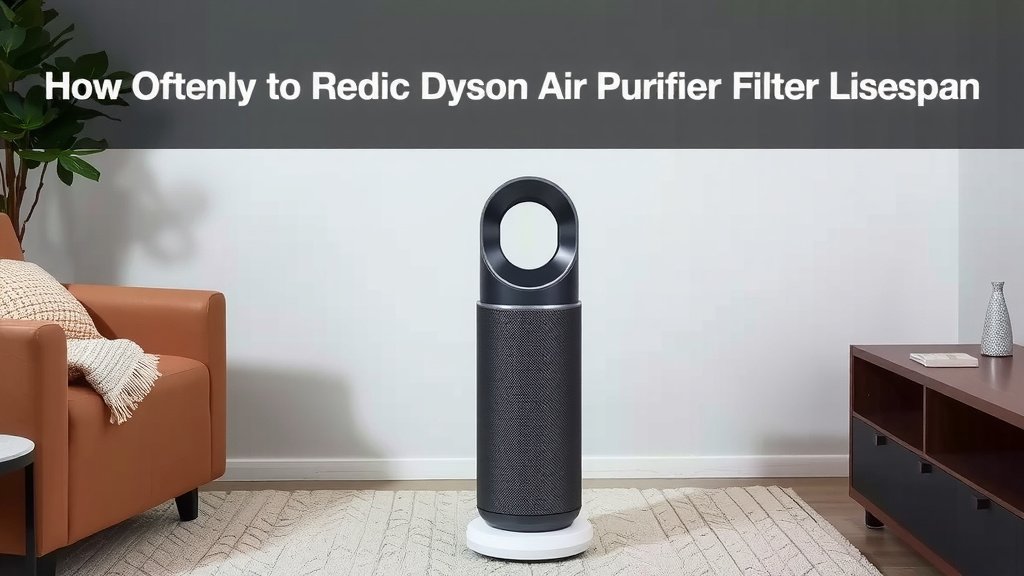
You should generally replace your Dyson air purifier filter every 6 to 12 months. This timing is based on typical usage and Dyson’s recommendations, but actual replacement frequency can depend on your home’s air quality and how often you run the machine. Replacing the filter regularly ensures your purifier continues to capture tiny particles and maintain optimal air purification.
Your Dyson air purifier is designed to alert you when the filter needs changing, which is incredibly helpful. However, understanding the general timeline helps you stay prepared. Factors like pets, allergies, or living in a dusty environment might mean you need to replace your filter more often than the average user. Keeping your filter clean and replaced on schedule is key to breathing fresher, cleaner air in your home.
- How often to change a Dyson air purifier filter: Typically every 6-12 months.
- Factors affecting filter life: Air quality, pet dander, allergies, usage frequency.
- Dyson’s alerts: Your machine will notify you when it’s time.
- Why replace filters: For continued effective air purification and capturing particles.
Let’s break down the specifics of when and why you’ll need to swap out your Dyson air purifier filter, so you can keep your home’s air as clean as possible.
Understanding Your Dyson Air Purifier Filter Lifespan
So, you’re wondering about how often to swap out that Dyson air purifier filter? It’s a great question because your filter is the unsung hero of clean air in your home. Generally speaking, you’re looking at a replacement window of about 6 to 12 months. This isn’t a hard and fast rule, but it’s a solid guideline based on how these machines are designed to work and what Dyson recommends.
Think of your filter like a coffee filter or a water pitcher filter. Over time, it gets clogged up with all the good stuff it’s catching. When it’s full, it just can’t do its job as effectively anymore. Replacing it ensures you continue breathing the cleanest air possible.
When Will Your Dyson Tell You It’s Time?
The smartest part about Dyson air purifiers? They’re pretty good at letting you know when the filter is nearing the end of its life. Most Dyson models have a built-in sensor and a display screen. This screen will show you the remaining filter life, often as a percentage. When it hits a certain low point, it will display a notification, usually with a clear icon or message, telling you it’s time for a change.
This alert system is incredibly helpful. It takes the guesswork out of it. You don’t have to set calendar reminders or try to remember when you last changed it. Your purifier does the heavy lifting for you. It’s like having a little digital assistant dedicated to your air quality.
Factors That Can Speed Up Filter Wear
While the 6-12 month window is a good benchmark, a few things in your home might make that timeline shorter. Your filter works harder when there’s more for it to capture. So, if you have pets, you might find yourself needing to replace the filter sooner. Pet dander and fur are fine particles that get trapped.
Do you or someone in your household suffer from allergies or asthma? This can also impact filter life. People with respiratory issues are often more sensitive to airborne irritants. An air purifier helps immensely, but it means the filter is working overtime to capture pollen, dust mites, and other allergens. Constant exposure to these means the filter can get saturated faster.
Usage Patterns Matter
How often you run your air purifier is a major factor. If you have your Dyson running 24/7 on a high setting, the filter will obviously wear out faster than if you only use it for a few hours a day. The more air it processes, the more particles it collects. This is simple physics at play.
Your Home’s Environment Plays a Role
Where you live and the general air quality of your environment are also key considerations. If you live in a busy city with higher pollution levels or near a construction site, your filter will have more work to do. Similarly, a home that tends to be dustier, perhaps due to older carpeting or being near a dusty rural area, will stress the filter more. You might even notice a difference between seasons, with air quality fluctuating.
What Happens When You Don’t Replace Your Filter?
You might be tempted to put off changing the filter, especially if your Dyson hasn’t explicitly told you to yet. But there are consequences to letting that filter get too old and clogged.
Reduced Air Purification Efficiency
This is the most obvious outcome. A full filter simply cannot draw air through it as effectively. The fine mesh is packed with captured pollutants, making it harder for new air to pass. This means your Dyson isn’t cleaning your air as well as it could be. It’s like trying to drink through a straw that’s been completely blocked with peanut butter – not much is going to get through!
Strain on the Machine’s Motor
When the filter becomes heavily blocked, your air purifier’s motor has to work much harder to pull air through it. Imagine trying to suck air through that blocked straw again. It requires more effort. This extra strain can potentially lead to premature wear and tear on the motor itself. While Dyson machines are built to last, any appliance can suffer from working too hard for too long.
Potential for Air to Bypass the Filter
In some cases, a severely clogged filter might even cause air to find alternative routes. The seal around the filter could weaken, or air might be forced through small gaps. This means some unfiltered air could be recirculating back into your room. It defeats the entire purpose of having an air purifier in the first place.
How to Check Your Filter Status and Replace It
Checking your filter’s status is straightforward, thanks to the machine’s display. As mentioned, it will usually show a percentage of remaining life. When it alerts you, it’s time to act.
The Replacement Process Itself
Dyson designs their filters for easy replacement. Typically, you’ll find a release mechanism on the side or back of the unit. You’ll need to open the housing, carefully remove the old filter, and then slot in the new one. It’s usually a tool-free process. Make sure you dispose of the old filter responsibly.
Once the new filter is in place, the machine will often recognize the change and reset the filter life indicator. It’s a pretty satisfying little task, knowing you’ve just re-energized your home’s air supply. Many experts agree that regular maintenance, like filter changes, is key to the longevity of any appliance (CDC).
Where to Buy Replacement Filters
The best place to get genuine Dyson replacement filters is directly from the Dyson website. You can also find them at major online retailers and some department stores. While third-party filters might seem cheaper, using authentic Dyson filters ensures the best fit and performance for your specific machine. Research and found that using non-genuine parts can sometimes lead to issues (Consumer Reports).
Tips for Extending Filter Life (When Possible)
While you can’t stop time or prevent dust, there are a few things you can do to help your filter last a bit longer:
- Regular Vacuuming: Keeping your carpets and upholstery clean can reduce the amount of fine dust and dander circulating in the air.
- Clean Around the Purifier: Make sure the area immediately surrounding your Dyson is kept clean. Don’t let dust bunnies accumulate right next to the intake vents.
- Maintain Good Ventilation: While the purifier is running, try to avoid unnecessarily opening windows during periods of high outdoor pollution or pollen counts.
- Keep Pets Groomed: Regular brushing of your pets, ideally outdoors, can reduce the amount of loose fur and dander they shed.
- Consider Pre-Filters (if applicable): Some Dyson models may have washable pre-filters that catch larger particles. Keeping these clean can protect the main HEPA filter.
A Simple Checklist for Filter Maintenance
To keep your Dyson air purifier running optimally, follow this quick checklist:
- Check Filter Indicator: Regularly glance at your purifier’s display for the filter life percentage.
- Listen to Alerts: Pay attention when your machine signals a filter change is needed.
- Note Your Environment: Consider if pets, allergies, or high pollution days mean you might need to change it sooner than the average.
- Use Genuine Filters: Always opt for authentic Dyson replacement filters for best results.
- Replace Promptly: Don’t delay changing the filter once your machine indicates it’s time.
Conclusion
You now have a clear understanding of your Dyson air purifier filter’s lifespan. Remember, replacing your filter every 6 to 12 months is a general guideline. Pay close attention to your Dyson’s alerts, as they are the most accurate indicator for your specific home environment. Factors like pets, allergies, and usage frequency can shorten this period.
Don’t neglect this simple maintenance task. Consistently changing your filter ensures your Dyson continues to effectively capture pollutants and provide you with the freshest air possible. Your next step is to check your purifier’s current filter life indicator and plan for your next replacement.
Frequently Asked Questions
How do I know for sure if my Dyson air purifier filter needs changing?
Your Dyson air purifier is equipped with a sensor that monitors filter life. The machine’s display screen will show you the remaining filter percentage and provide a clear notification when it’s time for a replacement. This alert system is the most reliable way to know when to change it.
Can I use a non-Dyson brand filter to save money?
While non-genuine filters might seem cheaper, research suggests using authentic Dyson filters is best. Genuine filters are designed to fit perfectly and perform optimally with your specific Dyson model. Using third-party filters could potentially impact performance or even cause issues with your machine.
My Dyson says the filter is good, but my allergies are still acting up. What should I do?
Even with a filter that shows remaining life, your home’s air quality can fluctuate. If your allergies are persistent, consider running your purifier more frequently or on a higher setting. Also, ensure you’re addressing other allergy triggers in your home, such as regular cleaning and dusting.
What’s the best way to dispose of an old Dyson air purifier filter?
Once your Dyson alerts you that the filter needs changing, carefully remove the old filter from the unit. You can then dispose of it with your regular household waste. There are no special disposal requirements for standard air purifier filters.
If I have pets, how much sooner should I expect to replace my filter?
Having pets means more dander and hair in the air, which your filter works hard to capture. While the exact timing varies, you might find you need to replace your filter sooner than the average 6-12 month recommendation. Keep an eye on your Dyson’s filter life indicator, as it will likely reach its limit faster than usual.

![5 Best Dyson Air Purifier for Large Room [In 2026]](https://homeunderstandable.com/wp-content/uploads/2025/05/best-dyson-air-purifier-for-large-room-top-models-reviewed-768x384.jpg)