
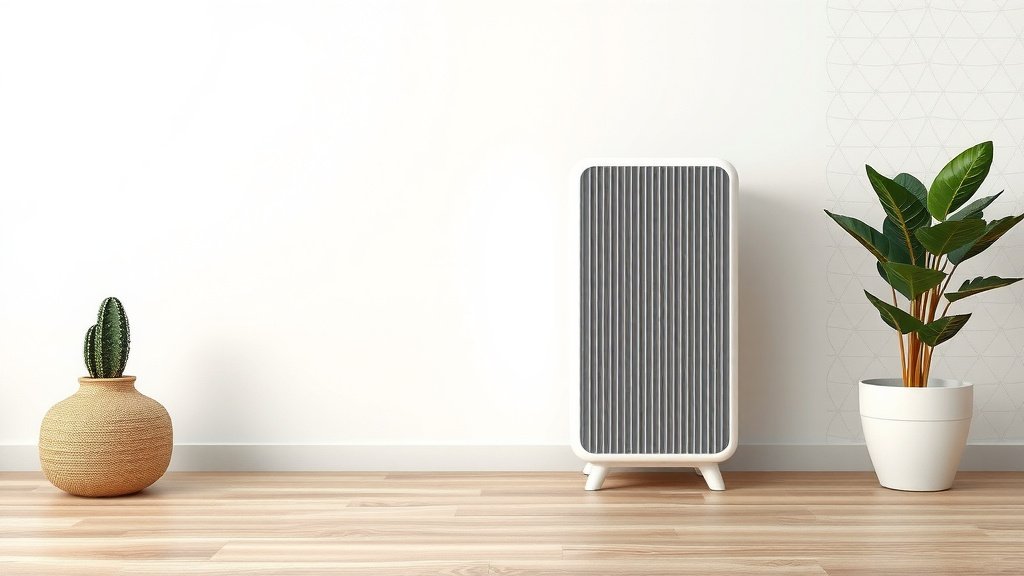
How Often to Run Your Air Purifier for Best Results
In 2026, with air quality remaining a top priority, are you maximizing your air purifier’s potential? For consistently clean air and peak pollutant management, continuous operation or extended daily runtimes are key. Experts still widely recommend keeping your purifier humming for at least 12 hours each day to achieve the best results.
The ideal run time depends on your home’s air quality and your personal needs. Factors like allergies, pets, or living near a busy road can influence how often you need it. Running your purifier regularly ensures it’s always working to remove dust, allergens, and odors.
- Run your air purifier most of the time you’re home.
- Aim for at least 12 hours daily for best results.
- Adjust based on allergies, pets, and outdoor air quality.
- Continuous use is key for consistent air cleaning.
Let’s walk through exactly when and how long you should be running your air purifier to get the most out of it.
When Should You Run Your Air Purifier?
So, how long should your air purifier actually be running? Think of it like a diligent housekeeper for your air. To get the most out of it, we found that continuous operation is usually your best bet. This means keeping it on for the majority of the time you’re actually in your home. Running it all day, every day, ensures that it’s always catching dust, pollen, pet dander, and other airborne irritants before they have a chance to settle or circulate.
Many experts recommend keeping your air purifier on for at least 12 hours a day. This provides a solid baseline for improving your indoor air quality. If you’re looking to really tackle stubborn allergens or odors, or if your air quality is generally poor, you might need to run it even longer, perhaps 16 to 24 hours a day.
Understanding Your Air Quality Needs
Your personal situation plays a big role. Do you have allergies or asthma? Are there furry friends sharing your space? Do you live near a busy road with a lot of traffic? These factors mean you’ll likely benefit from running your purifier more often.
Allergies and Asthma Sufferers
If you or someone in your household deals with allergies or asthma, running your air purifier consistently is highly beneficial. These conditions are often triggered by airborne particles like pollen, dust mites, mold spores, and pet dander. Continuous operation helps to significantly reduce the concentration of these allergens in the air you breathe. The American Lung Association suggests that air purifiers can be a helpful tool in managing asthma symptoms by removing triggers from the air.
Pet Owners
Our beloved pets can contribute a lot of dander, fur, and odors to our homes. Even if you groom your pets regularly, dander is microscopic and can easily become airborne. Running your air purifier for extended periods, especially in rooms where pets spend a lot of time, can make a noticeable difference. You’ll find that it helps reduce those “pet smells” and keeps the dander count down.
Living in Urban or Polluted Areas
If you live in a city or near a busy highway, outdoor pollution can easily find its way inside. Vehicle exhaust, industrial emissions, and general smog can negatively impact your indoor air. In these cases, running your air purifier more often is a smart move. It acts as a barrier, cleaning the air that enters your home and reducing your exposure to these harmful particles.
Best Practices for Running Your Air Purifier
To get the best results from your air purifier, consider where and when you run it. Placement and timing can really boost its effectiveness.
Placement Matters
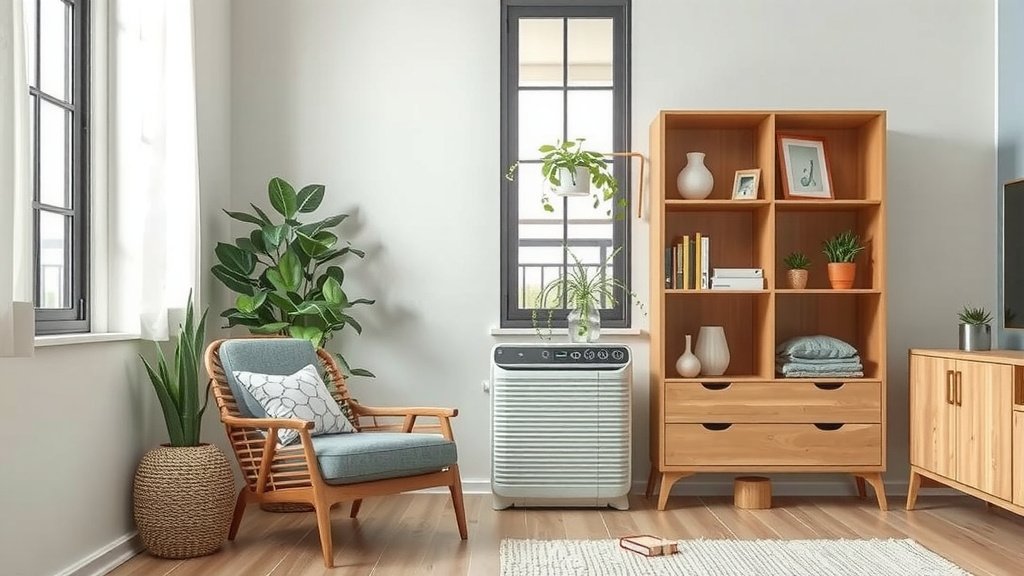
For optimal performance, place your air purifier in the room where you spend the most time, or where air quality concerns are greatest. This is often the bedroom, living room, or home office. Ensure it has some space around it for good airflow. We found that units placed in corners or too close to walls don’t circulate air as efficiently.
Consider Different Modes and Settings
Many air purifiers come with different fan speeds and modes. A “turbo” or “high” setting is great for quickly cleaning the air when you first enter a room or after a specific event, like cooking. For general daily use, a medium or even low setting can often maintain clean air while being quieter and more energy-efficient. Some units have an “auto” mode that adjusts fan speed based on detected air quality, which is very convenient.
Nighttime Use
For allergy sufferers or those concerned about sleep quality, running your air purifier in the bedroom overnight is a great idea. Many units have a “sleep” mode that reduces fan speed and dims indicator lights, ensuring quiet operation. You’ll wake up feeling more refreshed with cleaner air to breathe all night long. Research suggests that breathing cleaner air can lead to better sleep quality.
When to Run It More or Less
While continuous use is often ideal, there are times when you might want to adjust your run time. Listen to your body and observe your environment.
When to Increase Usage
You should definitely crank up your air purifier’s run time during these scenarios:
- When pollen counts are high outdoors, especially if you have seasonal allergies.
- After cleaning, vacuuming, or any activity that stirs up dust.
- When cooking, especially if you’re frying or using strong spices that produce fumes.
- If you have guests, particularly if they have allergies or pets.
- During wildfire season or when outdoor air quality alerts are issued.
When You Might Reduce Usage
There are very few times when you’d want to turn your air purifier off completely for extended periods. However, you might choose to reduce its run time or turn it off temporarily if:
- You’re leaving your home for an extended trip (e.g., a week or more).
- You’re doing major renovations and the air is filled with construction dust (it might clog filters quickly).
- Energy conservation is a top priority, and air quality is not a major concern at that moment.
Even during these times, it’s often wise to run it for a few hours a day if possible, especially if you have pets or lingering odors. Think of it as giving your purifier a short break rather than shutting it down permanently.
A Quick Checklist for Daily Air Purifier Use
To make sure you’re getting the most from your air purifier, keep this simple checklist in mind:
- Run it daily while you’re home.
- Use it overnight in your bedroom.
- Increase run time during high pollen or pollution days.
- Clean or replace filters on schedule.
- Place it strategically for best airflow.
- Use auto mode if your unit has it for smart adjustments.
Conclusion
You’ve learned that running your air purifier continuously or for extended periods is your best strategy for consistently clean indoor air. Aiming for at least 12 hours a day is a great starting point, but adjust based on your specific needs like allergies, pets, or local air quality. Don’t forget to place it wisely and use different settings to your advantage. To maintain optimal air quality, make running your air purifier a regular habit, especially when you’re home. Start by setting a daily reminder to turn it on each morning and off when you leave the house, ensuring you’re always breathing easier.
Frequently Asked Questions
Is it okay to run my air purifier 24/7?
Yes, running your air purifier 24/7 is generally recommended, especially if you have serious air quality concerns like allergies, asthma, or live in a polluted area. Continuous operation ensures the air is always being filtered, removing pollutants as they enter or are produced in your home. Just be sure to check your unit’s filter life indicator and replace filters as recommended to maintain efficiency.
Will running my air purifier all day increase my electricity bill significantly?
Modern air purifiers are designed to be energy-efficient, especially on lower settings. While running it 24/7 will add to your electricity bill, the cost is often minimal for many units, particularly when using lower fan speeds or eco-modes. Consider the health benefits of cleaner air as a worthwhile investment against the small increase in energy usage.
Should I turn off my air purifier when I’m not home?
While you can turn off your air purifier when you leave for short periods, it’s generally best to keep it running if you’re away for longer stretches, like a typical workday. This allows it to catch up on any air quality issues that may arise while you were out. If you’re going on an extended vacation, you might consider turning it off to save energy.
How does air purifier run time affect filter life?
Running your air purifier more often will naturally cause its filters to work harder and potentially need replacement sooner. Manufacturers provide estimated filter lifespans based on average usage. Keeping a log of when you replace filters and monitoring your air purifier’s filter indicator will help you manage this. Running it on lower settings when possible can also help extend filter life.
Is it better to run one large air purifier or multiple smaller ones?
For general use, running one larger, high-quality air purifier in your main living area can be very effective. However, if you spend significant time in different rooms, or have specific concerns like a pet’s area or a home office, placing smaller units in those spaces makes sense. For optimal results across your home, multiple units strategically placed are often better than a single one trying to cover too much area.
![5 Best Air Purifier for Black Mold [In 2026]](https://homeunderstandable.com/wp-content/uploads/2025/06/best-air-purifier-for-black-mold.jpg)