How Often Should You Run Your Air Purifier
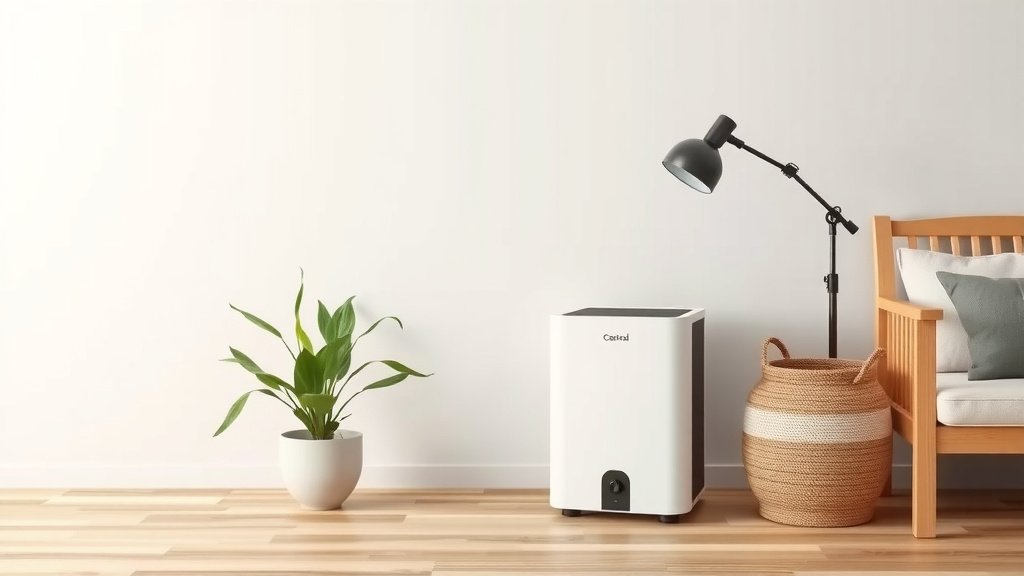
You should turn on your air purifier as often as needed based on your air quality concerns. For general air cleaning and to maintain healthy indoor air, running it continuously or for several hours a day is recommended. If you have specific issues like allergies, smoke, or pet odors, you might need to run it more frequently, perhaps all day and night.
Figuring out the best schedule depends on what you’re trying to achieve. Many experts suggest that for the best results, especially in homes with pets, smokers, or allergy sufferers, a nearly constant run time is ideal. This ensures that airborne particles like dust, pollen, and dander are consistently captured. It’s not always about a strict schedule, but rather about consistent air purification.
- Run your air purifier constantly for the best air quality.
- Use it for several hours daily if you have general concerns.
- Turn it on more often if you experience allergies, smoke, or pet odors.
- Consider running it all day and night during peak allergen seasons.
We’ve gathered some research and found that understanding your specific needs will help you decide. Let’s break down the factors that influence how often you should run your air purifier.
When to Activate Your Air Purifier for Cleaner Air
Figuring out the perfect timing for your air purifier isn’t a one-size-fits-all answer. It really depends on your home’s unique needs and what you’re trying to achieve. We found that most experts agree that consistent use is key for the best results.
Think of it like a filter for your water pitcher. You don’t just turn it on for five minutes when you feel thirsty. You keep it running to ensure clean water is always ready. Your air purifier works similarly, constantly working to remove pollutants.
Understanding Your Air Quality Needs
Before setting a schedule, it’s helpful to understand what’s in your air. Are you dealing with specific issues, or just aiming for a general refresh? We found that identifying your main concerns will guide your decision.
General Air Purification: The Everyday Cleanse
For many homes, the goal is simply to maintain a healthier indoor environment. This means reducing common airborne particles like dust, pet dander, and microscopic irritants. In these cases, running your air purifier for several hours a day is often sufficient. You might turn it on during times when you’re home most, like evenings or weekends.
We found that even during general use, a continuous run time offers the most benefits. This ensures that the air is consistently cycled through the filter, preventing pollutant buildup. It’s like having a tiny, diligent cleaning crew working around the clock.
Targeted Purification: Tackling Specific Pollutants
If your household experiences specific air quality challenges, you’ll likely need more frequent operation. These can include:
- Allergies and Asthma: Pollen, mold spores, and dust mites can trigger symptoms. Running your purifier more often helps capture these allergens before they spread.
- Pet Owners: Pet dander is a common allergen. Constant purification can significantly reduce the amount of dander floating in your home.
- Cooking and Odors: Lingering smells from cooking, smoke, or other household odors can be stubborn. Air purifiers with activated carbon filters excel at absorbing these.
- Smoke and VOCs: If you or someone in your household smokes, or if you’re concerned about volatile organic compounds (VOCs) from cleaning products or new furniture, a purifier is essential.
For these issues, we recommend running your air purifier as much as possible. This might mean turning it on all day and night, especially during high-pollen seasons or after cooking strong-smelling meals.
Factors Influencing Your Air Purifier’s Run Time
Several elements can influence how long you should operate your air purifier. It’s not just about the presence of pollutants; it’s also about your living space and habits.
Home Size and Air Purifier Capacity
The size of your room and the air purifier’s coverage area are important. A small purifier in a large room will struggle to clean the air effectively, no matter how long it runs. Conversely, a powerful unit in a small space might clean the air very quickly.
We found that for optimal performance, ensure your air purifier is rated for the square footage of the room you’re using it in. Many manufacturers provide this information. If you have an open-concept home, you might need a larger unit or multiple purifiers.
Your Lifestyle and Daily Habits
Your daily routine plays a big role. Do you open windows frequently? Do you live near a busy road or industrial area? Are there smokers in the house? These activities directly impact indoor air quality.
For example, if you love to cook elaborate meals, running your purifier during and after cooking can quickly clear out smoke and odors. If you have guests over frequently, it’s wise to run it more often to handle any introduced allergens or particles.
Allergen and Pollutant Levels
When allergen counts are high outside, they often find their way inside. Similarly, if there’s been recent construction or if you’ve introduced new furniture, VOCs can be released.
Many experts suggest running your air purifier continuously during peak allergy seasons (spring and fall) or when you know pollutant levels are elevated. This proactive approach can significantly reduce exposure and discomfort. The EPA notes that improved indoor air quality can contribute to better respiratory health (EPA).
When Continuous Operation is Best
For the absolute best air quality, especially if you have pets, allergies, or live in an area with poor outdoor air quality, running your air purifier 24/7 is the most effective strategy. This ensures a constant state of purification.
Think of it as maintaining a clean environment, rather than cleaning up a mess. It prevents pollutants from accumulating in the first place. This constant circulation can capture even the smallest particles before they settle or become noticeable.
Understanding Your Air Purifier’s Settings
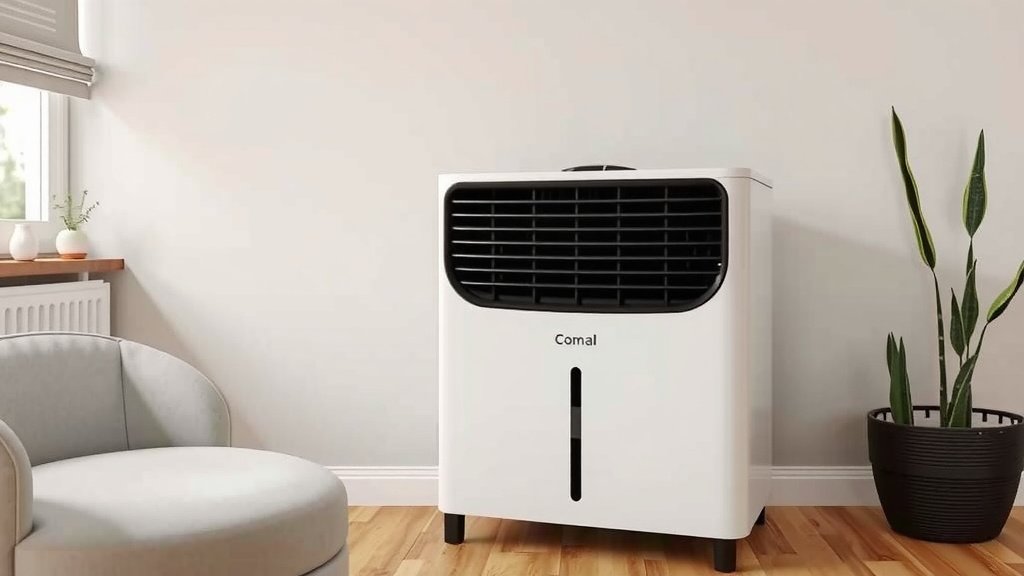
Most air purifiers come with different fan speeds and modes. These settings allow you to customize the purification process. Lower speeds are quieter and use less energy, ideal for continuous operation. Higher speeds are more effective for quickly clearing a room of strong odors or heavy pollution.
We found that using the “auto” mode, if your purifier has one, can be very convenient. These models often have sensors that detect air quality changes and adjust fan speed accordingly. This means you get efficient purification without constantly fiddling with the settings.
The Benefits of Consistent Use
Consistent use means your air purifier is always on duty. It’s always working to remove:
- Dust and Pet Dander: Prevents these from settling on surfaces.
- Pollen and Mold Spores: Captures them before they cause allergy flare-ups.
- Smoke Particles: Reduces the lingering smell and harmful components.
- Bacteria and Viruses: Helps to filter out airborne pathogens.
Many studies suggest that continuous operation offers the greatest reduction in airborne pollutants (NCBI). While it might seem like a lot, modern air purifiers are designed to be energy-efficient, especially on lower settings.
Making an Informed Decision: A Quick Checklist
To help you decide on your air purifier’s schedule, consider these questions:
- Do you or anyone in your home suffer from allergies or asthma?
- Are there pets living in your household?
- Do you live in an area with high levels of outdoor pollution?
- Do you frequently cook, or are there lingering odors in your home?
- Is maintaining the freshest possible indoor air a top priority for you?
- Do you have a new baby or elderly person in the home who might be more sensitive to air quality?
If you answered “yes” to several of these, running your air purifier for longer periods, or even continuously, is likely the best approach. It’s about creating a healthier living space tailored to your specific needs.
Conclusion
Deciding how often to run your air purifier boils down to your specific needs and home environment. For the cleanest air and best protection against allergens, smoke, and odors, continuous operation is often ideal. If your concerns are less severe, running it for several hours daily can still make a noticeable difference in your indoor air quality. Don’t forget to consider your home’s size and your daily habits when setting your purifier’s schedule. Take a moment today to assess your air quality needs and set your air purifier for optimal performance.
Frequently Asked Questions
Will running my air purifier 24/7 use too much electricity?
Modern air purifiers are designed with energy efficiency in mind, especially on lower fan settings. Running your unit continuously on a low speed often uses less energy than you might think, similar to a small appliance. Research suggests the benefits to air quality can outweigh the minor increase in your electricity bill.
Is it okay to turn my air purifier off at night?
While you can turn your air purifier off at night, doing so means you miss out on hours of air cleaning. Many pollutants are present in the air while you sleep, and continuous operation ensures these are captured. If noise is a concern, many purifiers have quiet “sleep” modes or low settings suitable for overnight use.
How do I know if my air purifier is working effectively?
You can often tell if your air purifier is working by the decrease in odors or irritants, and potentially by checking the filter condition over time. Many models have indicator lights or air quality sensors that will show improvements. For true effectiveness, ensure you’re using the right size unit for your room and changing filters as recommended.
Should I run my air purifier more often during allergy season?
Yes, it’s highly recommended to increase your air purifier’s run time during peak allergy seasons. Pollen and other outdoor allergens can easily enter your home, triggering symptoms. Running your purifier more frequently, perhaps even continuously, helps to capture these airborne particles before they have a chance to affect you.
Can I leave my air purifier on when I’m not home?
Yes, you can absolutely leave your air purifier on when you’re not home. In fact, this is a great way to maintain consistent air quality. It ensures that any pollutants that enter your home while you’re away are captured, so you return to a cleaner environment.