How Often Should You Use Your Air Purifier
You can use your air purifier continuously or intermittently, depending on your needs and the air quality in your home. For the best results and to maintain consistently cleaner air, many experts recommend running your air purifier most of the time, especially in rooms where you spend a lot of time.
Think of it like this: your air purifier is working hard to remove pollutants like dust, pollen, and pet dander. The longer it runs, the more those particles it can capture. So, to truly improve your indoor air quality, a near-constant operation is often your best bet.
- Run it most of the time for best results.
- Consider continuous operation in high-traffic areas.
- Turn it on when allergens or odors are high.
- Listen to your personal comfort levels.
Let’s break down exactly how often you should be running your air purifier to get the most out of it.
When to Run Your Air Purifier for Optimal Air Quality
Deciding how often to run your air purifier is key to getting the most out of it. Think of it like a personal air assistant. When should this assistant be on duty? We found that for the best results, you should aim for near-continuous operation.
This means letting your air purifier run most of the time, especially in the rooms where you spend the most hours. This consistent effort helps maintain a lower concentration of indoor pollutants over time. It’s not just about cleaning the air once; it’s about keeping it clean.
Understanding Continuous vs. Intermittent Use
The main question boils down to two approaches: continuous or intermittent use. Both have their place, but one is generally more effective for improving your overall indoor air quality.
The Case for Continuous Operation
Running your air purifier 24/7, or for at least 12 hours a day, is often recommended by experts. This is because indoor air pollutants don’t just appear during specific times. They are constantly being generated from cooking, cleaning, pets, and even just from people breathing.
A continuous run time ensures that your purifier is always working to capture these airborne particles. We found that this consistent action is especially beneficial for individuals with allergies or respiratory issues. It helps reduce triggers and provides a more stable breathing environment.
When Intermittent Use Makes Sense
There are times when running your air purifier only for a few hours a day, or only when needed, might be sufficient. This can be a good option if your primary concern is managing a specific, temporary air quality issue.
For example, you might only turn it on when you’re cooking strong-smelling foods, or after dusting and vacuuming. This approach can also help save on energy costs, as the unit isn’t running all the time. However, remember that this won’t provide the same level of consistent air cleaning as continuous use.
Factors Influencing Your Air Purifier’s Schedule
Several factors should play a role in your decision about how often to run your air purifier. Your unique living situation and concerns matter most.
Your Home Environment and Air Quality
Consider the general air quality in your home. Do you live in an area with high outdoor pollution levels? If so, bringing that polluted air inside means your purifier has more work to do. Running it more often, perhaps continuously, can help combat these external pollutants.
The presence of pets is another major factor. Pet dander is a common allergen and can circulate in the air for a long time. We found that for pet owners, running the purifier as much as possible is often necessary to manage dander effectively.
Personal Health and Sensitivities
Are you or someone in your household sensitive to allergens like pollen, dust mites, or mold spores? If so, a more frequent run time is highly recommended. Continuous operation can significantly reduce the presence of these allergens in your breathing space.
The American Lung Association suggests that air purifiers can be helpful for people with asthma or allergies, but they are not a substitute for medical advice or treatment. For individuals with these conditions, consistent air purification can mean fewer symptoms and a better quality of life. So, if your health depends on cleaner air, lean towards more frequent operation.
Room Usage and Occupancy
Where you decide to place and run your air purifier also influences its schedule. Rooms where you spend the most time, like your bedroom or living room, are prime candidates for continuous use.
Think about it: if you’re sleeping for 8 hours and then relaxing in the living room for another few, that’s a significant portion of your day. Ensuring the air in these spaces is clean during these critical hours makes a big difference. Other rooms, like guest bedrooms or infrequently used offices, might benefit from intermittent or on-demand use.
Optimizing Your Air Purifier’s Performance
Beyond just deciding on a schedule, a few other practices can help you get the most out of your air purifier. These are simple steps that contribute to its overall effectiveness.
Placement Matters
Where you put your air purifier can impact how well it cleans the air. We found that placing it in a central location within a room allows for better air circulation. Avoid pushing it directly against walls or furniture, as this can block airflow and reduce its efficiency.
Ideally, you want to place it where air can freely move around the unit, allowing it to draw in air from all sides and expel clean air effectively. This helps the purifier cover the intended space more thoroughly.
Regular Maintenance is Key
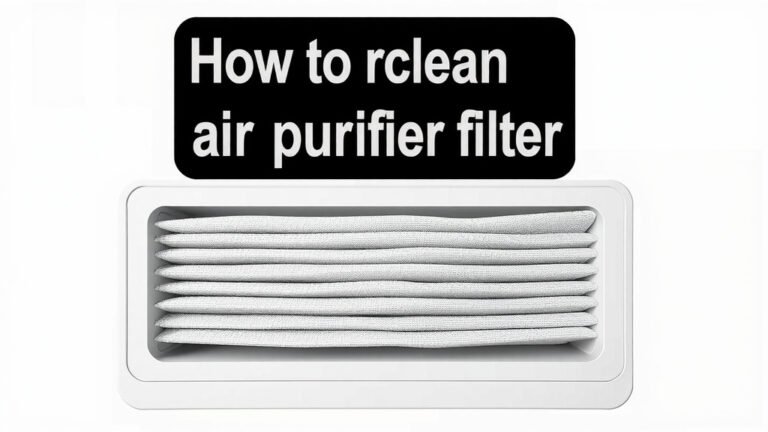
Just like any appliance, your air purifier needs maintenance to perform at its best. This primarily involves cleaning or replacing the filters. A clogged filter can dramatically reduce the device’s effectiveness and even strain the motor.
Check your air purifier’s manual for specific filter replacement recommendations. We found that most manufacturers suggest replacing HEPA filters every 6 to 12 months, depending on usage and air quality. Pre-filters, if your unit has them, may need cleaning more frequently, perhaps monthly. A clean filter means cleaner air for your home.
Understanding Room Size and CADR
Air purifiers are rated for specific room sizes, often indicated by their Clean Air Delivery Rate (CADR). Using an air purifier that is too small for your room means it will have to work much harder and may not effectively clean the air even if run continuously.
We found that it’s wise to choose a purifier that is rated for a slightly larger room than you intend to use it in. This provides a buffer and ensures it can handle the air cleaning demands efficiently. For example, if you have a 200-square-foot bedroom, consider a purifier rated for 250-300 square feet.
Checklist for Your Air Purifier Schedule
Here’s a quick rundown to help you decide on the best schedule for your needs:
- Run your air purifier most of the time (12+ hours a day) for consistent air cleaning.
- Consider continuous operation in high-traffic areas like living rooms and bedrooms.
- Turn it on during specific activities like cooking or cleaning if you use it intermittently.
- Increase usage if you or family members have allergies or respiratory sensitivities.
- Maintain your purifier by replacing filters regularly for optimal performance.
- Ensure the purifier is the correct size for the room it’s in.
Conclusion
You’ve learned that the best way to keep your indoor air clean is to run your air purifier most of the time. While intermittent use has its place for specific issues, continuous operation offers the most consistent benefits for allergy sufferers and general air quality. Remember to consider your home’s environment, any personal health sensitivities, and how you use each room when setting your purifier’s schedule. By placing it correctly and keeping up with filter maintenance, you’re well on your way to breathing easier. Your next step is simple: check your current usage and consider increasing it to enjoy a fresher home environment.
Frequently Asked Questions
How many hours a day should an air purifier run?
For the best results in maintaining cleaner air, running your air purifier for at least 12 hours a day is recommended. Many experts suggest near-continuous operation, meaning you can leave it on for most of the day, especially in rooms where you spend a lot of time.
Can I leave my air purifier on 24/7?
Yes, you can definitely leave your air purifier on 24/7. This provides the most consistent air cleaning, constantly removing pollutants as they are generated. It’s especially beneficial for those with allergies or respiratory conditions seeking a stable breathing environment.
Does running an air purifier all the time use a lot of electricity?
Modern air purifiers are designed to be energy-efficient. While running 24/7 will use more electricity than intermittent use, the cost is generally quite low. Many units use less energy than a standard light bulb, so the benefit of continuously clean air often outweighs the small increase in your energy bill.
When is intermittent air purifier use okay?
Intermittent use is suitable when you need to address a specific, temporary air quality concern. This could be right after cooking strong-smelling foods, after cleaning, or if you know dust or pollen levels are temporarily high. It’s a good option if your main goal isn’t constant air purification but rather managing short-term issues.
Should I run my air purifier more when my allergies are bad?
Absolutely. If you or someone in your household experiences allergies or respiratory issues, you should increase your air purifier’s usage. Running it more frequently or continuously during allergy seasons or when symptoms flare up can significantly help reduce airborne triggers and improve comfort.