How to Clean Your Alpine Air Purifier: A Step-by-Step Guide
The easiest way to clean your Alpine air purifier is to unplug it, then wipe down the exterior with a damp cloth. For the interior and filter, you’ll want to carefully follow the manufacturer’s instructions. Regular cleaning keeps your purifier running efficiently and ensures you breathe the cleanest air possible.
Keeping your Alpine air purifier in top shape doesn’t have to be a chore. We found that a consistent cleaning schedule will prevent dust buildup and extend the life of your unit. This simple maintenance helps ensure your purifier continues to deliver fresh, clean air to your home.
- Always unplug your air purifier before cleaning.
- Dust the exterior regularly with a soft cloth.
- Check your filter’s status and clean or replace as needed.
- Consult your manual for specific cleaning steps for your model.
Ready to get started? Let’s walk through the simple steps to get your Alpine air purifier sparkling clean and working its best.
“`htmlKeeping Your Alpine Air Purifier Running Smoothly
Your Alpine air purifier is a fantastic tool for cleaner air. To make sure it does its job well, a little cleaning goes a long way. We’ve found that a regular cleaning routine prevents dust buildup. This also helps your purifier last longer and perform better. Let’s walk through how to keep your unit in great shape.
Understanding Your Alpine Air Purifier’s Components
Before we start cleaning, it’s helpful to know what’s inside your Alpine air purifier. Most models have a few key parts that need attention. You’ll typically find an exterior housing, a pre-filter, a HEPA filter, and often an activated carbon filter. Knowing these parts helps you clean them effectively and safely.
The Exterior: A Simple Wipe-Down
The outside of your air purifier can get dusty, just like any other furniture. A dirty exterior doesn’t affect performance much. But it doesn’t look great, does it? A quick clean-up makes your purifier blend better into your home.
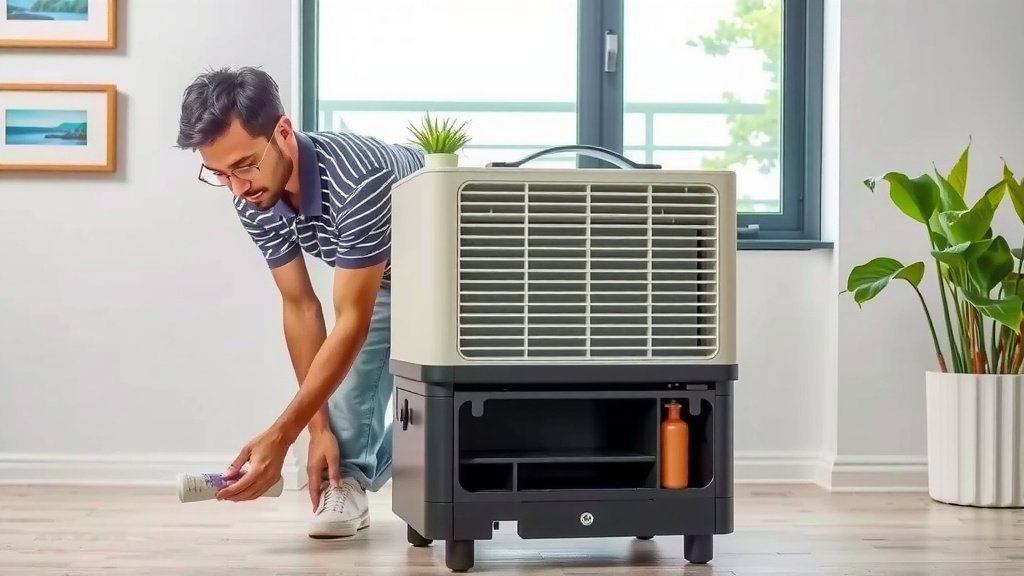
Always start by unplugging your unit. This is for your safety. You don’t want any accidental shocks. Then, grab a soft, damp cloth. Gently wipe down all the outer surfaces. For stubborn marks, a little mild soap on the cloth can work wonders. Make sure the cloth is only damp, not soaking wet. You don’t want water getting into any sensitive parts.
Cleaning the Interior and Filters
This is where the real cleaning magic happens. The filters are the heart of your air purifier. They trap all those tiny particles you don’t want to breathe. Caring for them properly is key to good air quality.
The Pre-Filter: Your First Line of Defense
The pre-filter is usually the first layer your air passes through. It catches larger particles like dust bunnies and pet hair. This protects the finer filters behind it. Many pre-filters are washable, which is great news!
Check your Alpine air purifier’s manual for specific instructions. If it’s washable, gently rinse it under cool water. You can use a mild soap if it’s very dirty. Let it air dry completely before putting it back. Many experts suggest cleaning the pre-filter at least once a month (CDC).
The HEPA Filter: Handle with Care
Your HEPA filter is a superhero for your air. It captures 99.97% of particles as small as 0.3 microns. Think pollen, mold spores, and pet dander. These filters are usually not washable. Trying to wash them can damage the delicate fibers.
Instead of washing, you might be able to vacuum the HEPA filter gently. Use a soft brush attachment on your vacuum cleaner. Do this on a low setting. This can remove surface dust. However, many manufacturers recommend replacing your HEPA filter every 6-12 months. This depends on your air quality and usage (EPA).
The Activated Carbon Filter: Odor and Gas Zapper
This filter works hard to remove odors, smoke, and certain gases. It uses activated carbon to absorb these unwanted elements. Like the HEPA filter, activated carbon filters are generally not meant to be cleaned. They work by trapping molecules, and once they’re full, they’ve done their job.
The lifespan of an activated carbon filter varies. It can be anywhere from 3-6 months. Always refer to your specific Alpine model’s manual. Replacing this filter ensures your air stays fresh and odor-free.
Checking Your Filter Indicator Light
Many modern Alpine air purifiers have a filter indicator light. This light is a helpful reminder. It tells you when it’s time to check your filters. Don’t ignore this light! It’s your purifier’s way of asking for a little TLC. Replacing or cleaning filters on schedule is more effective than waiting until the air quality drops.
What If My Manual Isn’t Handy?
We get it. Sometimes that manual gets lost in the shuffle. If you can’t find yours, don’t panic. Most Alpine air purifier manuals are available online. Just visit the Alpine air purifier website. Look for a “Support” or “Manuals” section. You can usually download a PDF version. This is a great resource for specific cleaning steps for your model.
A Quick Checklist for Alpine Air Purifier Care
To make things super simple, here’s a quick checklist:
- Unplug your unit before any cleaning.
- Wipe down the exterior with a damp cloth weekly.
- Check pre-filters monthly and wash if needed.
- Vacuum HEPA filters gently if your manual allows.
- Replace filters according to your manual’s schedule.
- Consult your model’s manual for any specific advice.
Common Mistakes to Avoid
We’ve learned a few things through research that can help you. Avoiding common mistakes means your purifier works better for longer.
Using Harsh Chemicals
Harsh cleaners can damage the plastic parts of your air purifier. They can also leave behind fumes. Stick to mild soap and water. This is usually all you need for a good clean.
Ignoring the Filter Schedule
A clogged filter can’t clean your air effectively. It might even put extra strain on the motor. Follow the replacement schedule in your manual. This is the single most important step for performance.
Washing Non-Washable Filters
We mentioned this, but it’s worth repeating. HEPA and activated carbon filters are delicate. Washing them will ruin them. Always double-check if a filter is washable before you reach for the water.
Not Letting Parts Dry Completely
Putting a damp filter or part back into your air purifier is a big no-no. Moisture can lead to mold growth or damage electrical components. Let everything air dry thoroughly. We’re talking completely dry before reassembly.
| Filter Type | Cleaning Method | Replacement Frequency |
|---|---|---|
| Pre-Filter | Washable (rinse/mild soap) | Monthly check, wash as needed |
| HEPA Filter | Vacuum gently (if allowed) | 6-12 months |
| Activated Carbon Filter | Not cleanable | 3-6 months |
Remember, this table is a general guide. Your specific Alpine model might have different recommendations. Always trust your owner’s manual first.
“`
Conclusion
You’ve learned how to keep your Alpine air purifier working its best! Remember that regular cleaning, especially of the pre-filter, makes a big difference. Always unplug your unit and refer to your manual for specific filter care. By following these simple steps, you’ll ensure your purifier continues to deliver fresh, clean air for your home. Make a quick check and clean part of your routine. Your lungs will thank you for it!
Frequently Asked Questions
How often should I actually clean my Alpine air purifier?
We suggest wiping down the exterior weekly to prevent dust buildup. Your pre-filter should be checked monthly and washed if it appears dirty. The HEPA and carbon filters have specific replacement schedules in your manual, often every 6-12 months.
Can I use household cleaners on my Alpine air purifier?
It’s best to avoid harsh household cleaners. Stick to a soft, damp cloth for the exterior. If you need to use soap, a very mild one is sufficient for washable parts like the pre-filter. Harsh chemicals can damage the plastic and leave behind unwanted fumes.
What’s the difference between a HEPA filter and an activated carbon filter?
The HEPA filter traps tiny physical particles like pollen and pet dander. The activated carbon filter absorbs odors, smoke, and gases. Both are essential for clean air, but they serve different purposes and are cleaned or replaced differently.
My air purifier is making a strange noise after cleaning, what could be wrong?
This often happens if a filter or part wasn’t reassembled correctly or isn’t completely dry. Double-check that all filters are seated properly and that no moisture remains before plugging the unit back in. Ensure you used the correct parts for your model.
Where can I find replacement filters for my specific Alpine model?
Your Alpine air purifier’s manual is the best place to start for filter part numbers. You can also usually find replacement filters directly on the Alpine air purifier website. Many authorized retailers also carry them online.
![5 Best Essential Oils for Air Purifying [In 2026]](https://homeunderstandable.com/wp-content/uploads/2025/05/best-essential-oils-for-air-purifying.jpg)