How to Clean Your Hunter Air Purifier Filter
The easiest way to clean your Hunter air purifier filter is to vacuum it gently. Most Hunter air purifier filters are designed to be cleaned, not replaced. This simple step can help your purifier run more efficiently and keep your air cleaner. Remember to check your specific model’s manual for any unique instructions.
Keeping your Hunter air purifier filter clean is key to its performance. A dirty filter struggles to pull air through. This means less clean air for your home and more work for your purifier’s motor. We found that regular cleaning can extend the filter’s life and save you money.
- Vacuum your Hunter filter regularly.
- Check your model’s manual.
- Clean filters work better.
- Extend filter life.
- Save money on replacements.
Let’s walk through exactly how to get your Hunter air purifier filter sparkling clean and ready to breathe easy again.
“`htmlCaring for Your Hunter Air Purifier Filter
You’ve got a Hunter air purifier, and that’s a smart move for cleaner air. But what about the filter? Keeping it clean is key to its performance. A dirty filter can’t do its job effectively. It struggles to pull air through. This means less fresh air for you and your family. We found that regular filter care can actually extend the filter’s lifespan. It also helps your purifier run more efficiently, which can save you energy costs in the long run. Let’s get that filter sparkling clean!
When to Clean Your Hunter Air Purifier Filter
How often should you clean your Hunter air purifier filter? It really depends on your home environment. If you have pets or live in an area with a lot of dust and pollen, you might need to clean it more often. Many experts suggest a quick check every 1 to 2 months. You’ll know it’s time when you see a noticeable layer of dust or debris on the filter. Some Hunter models even have indicator lights to let you know when maintenance is needed. Always refer to your specific model’s manual for the manufacturer’s recommendations. They know their product best!
Tools You’ll Need for Cleaning
Good news! You don’t need a lot of fancy equipment to clean your Hunter air purifier filter. Most of what you need is probably already in your home.
- A vacuum cleaner: This is your primary tool. A vacuum with a brush attachment works best.
- A soft brush: For gently dislodging stubborn dust.
- A damp cloth: For wiping down the filter housing.
- Your Hunter air purifier manual: We can’t stress this enough!
Step-by-Step Guide to Cleaning Your Filter
Ready to tackle that filter? It’s a straightforward process. Follow these steps, and you’ll have your filter ready to go in no time. Remember, always unplug your air purifier before you start any cleaning. Safety first!
1. Locate and Remove the Filter
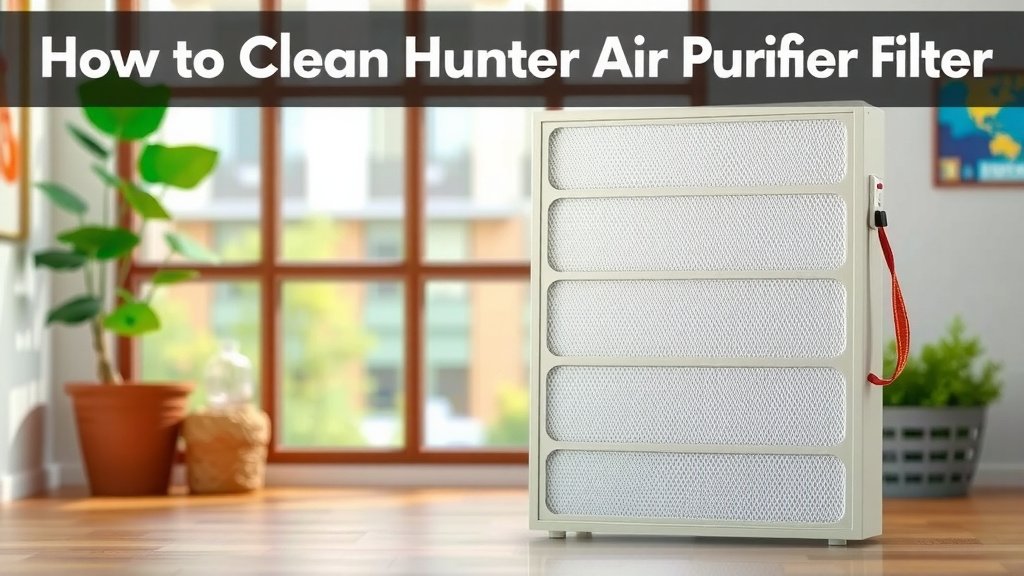
First, you need to get to the filter. Every Hunter model is a little different. Usually, the filter is located behind the front grille or the back panel. You might need to unscrew a few panels or simply release some clips. Check your manual if you’re unsure. Once you find it, gently slide or pull the filter out. Be careful not to shake it too much, or you’ll send dust flying everywhere.
2. Gentle Vacuuming: Your Best Friend
This is the most important step. Grab your vacuum cleaner. Use the brush attachment to gently go over the filter’s surface. Work from top to bottom. You want to suck up the dust and debris without damaging the filter material. Think of it like dusting a delicate piece of furniture. We found that a steady, even stroke works best. Make sure you vacuum both sides of the filter if it’s accessible.
Dealing with Stubborn Dust
If you encounter some dust that the vacuum just won’t lift, don’t panic. You can use a soft brush to gently loosen it. Then, vacuum again. The goal is to remove as much loose particulate matter as possible without forcing it deeper into the filter. Never use water or harsh cleaning solutions on your Hunter air purifier filter unless your manual specifically says it’s okay. Most are not washable.
3. Clean the Filter Housing
While the filter is out, take a moment to clean the inside of the air purifier unit itself. Use a damp cloth to wipe down the filter housing and any other accessible interior surfaces. This prevents dust from recirculating back into the clean air. Make sure everything is dry before you put the filter back in. Residual moisture can cause problems.
4. Reinsert the Filter and Reassemble
Once your filter is clean and the housing is dry, it’s time to put everything back together. Carefully slide the filter back into its designated spot. Ensure it’s seated correctly. Then, reattach any panels or close any clips you opened. Give the exterior a quick wipe-down if needed.
5. Power On and Breathe Easy
Plug your air purifier back in and turn it on. You should notice a difference immediately. Your purifier will run more smoothly. The air will start to feel fresher. It’s a simple process that makes a big impact on your home’s air quality. We love how quickly you can feel the results!
When to Replace Your Hunter Air Purifier Filter
Even with regular cleaning, filters don’t last forever. Most Hunter air purifiers use permanent or washable pre-filters. However, they often have HEPA or activated carbon filters that need eventual replacement. Your manual will provide specific guidance. Generally, if you notice a significant decrease in air purifier performance after cleaning, or if the filter appears damaged or worn out, it’s time for a new one. Many experts suggest replacing these types of filters every 6 to 12 months, depending on usage and air quality (CDC). Don’t wait too long; a clean filter is a happy filter!
Filter Maintenance Checklist
Here’s a quick checklist to help you stay on top of your filter maintenance:
- Check filter monthly: Look for visible dust and debris.
- Vacuum filter: Use a brush attachment on your vacuum.
- Clean housing: Wipe down the interior of the purifier.
- Reassemble carefully: Ensure everything is secure.
- Consult manual: Always follow model-specific instructions.
- Schedule replacement: Note when your HEPA/carbon filters need changing.
Conclusion
You’ve learned that keeping your Hunter air purifier filter clean is simpler than you might think. Gentle vacuuming is your primary tool for maintaining optimal air quality. Regular cleaning not only helps your purifier run efficiently but also extends the life of your filter, saving you money on replacements. Remember to always consult your model’s manual for specific guidance. Make filter maintenance a routine task in your home. Your lungs will thank you for the fresh, clean air!
Frequently Asked Questions
Can I wash my Hunter air purifier filter with water?
Generally, no. Most Hunter air purifier filters are designed for dry cleaning only. Water can damage the filter material and reduce its effectiveness. Always check your specific model’s manual before attempting any wet cleaning.
How often should I check my Hunter air purifier filter for dust?
It’s a good idea to visually inspect your Hunter air purifier filter at least once a month. If you live in a dusty environment, have pets, or experience seasonal allergies, you might need to check it more frequently, perhaps every two weeks.
What if my Hunter air purifier has an indicator light for filter cleaning?
That indicator light is a helpful reminder! When it illuminates, it signifies that your filter likely needs attention. Don’t ignore it; proceed with the gentle vacuuming process described in the guide to restore performance.
How can I tell if my Hunter air purifier filter needs to be replaced instead of cleaned?
If your filter appears damaged, worn out, or significantly degraded even after thorough cleaning, it’s time for a replacement. You might also notice a persistent drop in air purifier performance. Your manual will give you an estimated replacement schedule for non-washable filters.
Can I use a stronger vacuum setting to get the filter cleaner?
It’s best to avoid using overly strong vacuum settings. The filter material can be delicate. A gentle pass with a brush attachment is recommended to effectively remove dust without causing any damage to the filter itself.
![What Is The Best Air Purifier for Pets and Dust [In 2026]](https://homeunderstandable.com/wp-content/uploads/2025/06/best-air-purifier-for-pets-and-dust.jpg)

![5 Best Essential Oils for Air Purifying [In 2026]](https://homeunderstandable.com/wp-content/uploads/2025/05/best-essential-oils-for-air-purifying.jpg)