How to Clean Your Air Purifier Filter for Fresh Air
The easiest way to clean your air purifier filter is to vacuum it gently or rinse it with water. This helps remove dust and debris, making your air cleaner. Remember to always check your air purifier’s manual first for specific instructions. A clean filter works best.
Keeping your air purifier’s filter clean is vital for its performance. Dirty filters can make your purifier work harder, costing you more energy. They can also become a breeding ground for mold and bacteria. Regular cleaning ensures you’re breathing the best possible air.
- Always check your manual first.
- Vacuum gently or rinse with water.
- Never use harsh chemicals.
- Ensure the filter is completely dry before reinserting.
- Clean filters improve air quality.
Let’s walk through exactly how to get that filter sparkling clean, step by step.
Keeping Your Air Purifier Filter Pristine
Regularly cleaning your air purifier’s filter is key to its peak performance. A dirty filter struggles to pull air through. This makes your purifier work harder and use more energy. It can also become a place where unwanted particles, like mold spores, can actually grow (CDC). Let’s get your filter back to its best.
When Should You Clean Your Air Purifier Filter?
The best time to clean is often indicated by your air purifier’s manufacturer. Many have a built-in indicator light. If yours doesn’t, a good rule of thumb is every 2-4 weeks. You might need to clean it more often if you have pets, live in a dusty area, or have allergies.
Signs Your Filter Needs Attention
Your air purifier might give you clues. If you notice a decrease in airflow coming from the unit, it’s a strong sign. The filter might also look visibly dusty or gray. Sometimes, you might even detect a slight musty smell. These are all signals that a cleaning is in order.
Understanding Your Filter Type
Not all air purifier filters are the same. Most are designed to be cleaned, but some are strictly for replacement. It’s super important to know what kind you have before you start. Cleaning the wrong type can damage it. Always consult your purifier’s manual for filter specifics.
Washable vs. Replaceable Filters
Washable filters are typically made of a coarser material, like a mesh or foam. They can withstand water and gentle cleaning. Replaceable filters, often HEPA filters, are made of a denser, paper-like material. These are designed to trap very fine particles and cannot be washed. Attempting to wash them will ruin their structure and effectiveness.
Your Step-by-Step Guide to Cleaning Washable Filters
Ready to get that filter clean? It’s a straightforward process. Most washable filters can be cleaned using simple household items. The goal is to remove trapped dust and debris without damaging the filter material.
Step 1: Power Down and Disassemble
First things first, unplug your air purifier. Safety always comes before clean air! Then, carefully open the unit to access the filter. Your manual will show you exactly how to do this. Remove the filter gently.
Step 2: The Gentle Vacuuming Method
For a quick clean, a vacuum cleaner works wonders. Use your vacuum’s brush attachment. Gently go over the surface of the filter. This removes loose dust and larger particles. Make sure to vacuum both sides if possible. This method is great for light dust buildup.
Step 3: The Water Rinse Technique
If vacuuming isn’t enough, it’s time for a rinse. Take your filter to a sink or bathtub. Use cool or lukewarm water. Rinse the filter thoroughly. Let the water run through it in the opposite direction of airflow. This pushes the trapped dirt out.
What NOT to Use
Avoid using hot water, as it can damage some filter materials. Never use harsh detergents, soaps, or chemical cleaners. These can leave a residue. Residue can then get blown back into your air. It can also harm the filter’s material. Stick to plain water for rinsing.
Step 4: Drying is Crucial
This is a vital step many people overlook. Your filter must be completely dry before you put it back. Even a little moisture can lead to mold growth. Air dry the filter. Place it in a well-ventilated area. It might take several hours, or even a full day, depending on humidity.
Quick Drying Tips
You can speed up drying by patting the filter gently with a clean, dry towel. Do not wring it out. Avoid using heat like a hairdryer, as this can damage the filter. Patience is key here.
Step 5: Reassemble and Power Up
Once you’re certain the filter is dry, carefully place it back into your air purifier. Close up the unit securely. Now, you can plug it back in and turn it on. You should notice improved airflow right away.
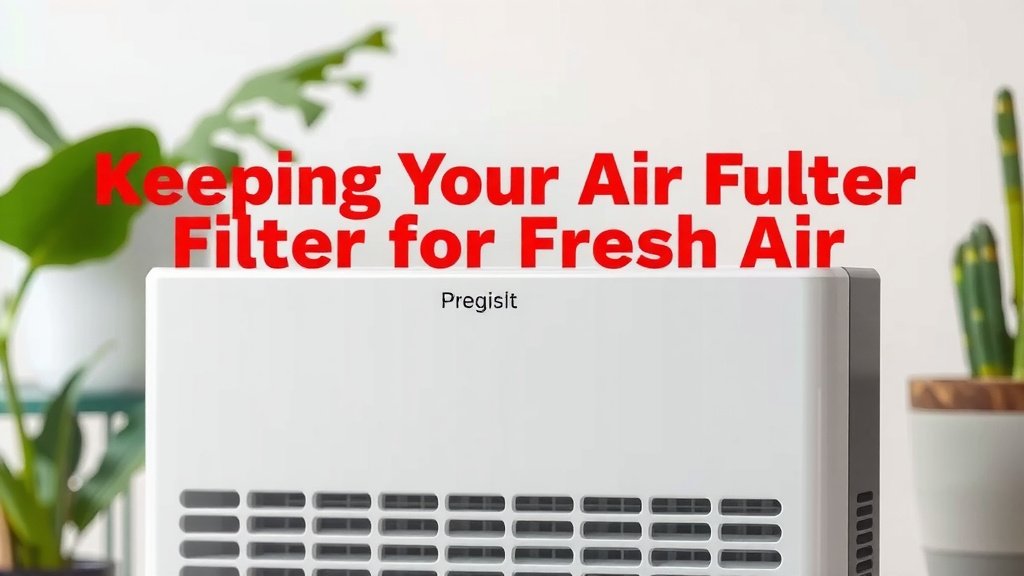
Cleaning a Pre-Filter
Many air purifiers have a pre-filter. This is the first layer that captures larger particles like hair and lint. Pre-filters are almost always washable. They protect the main filter, extending its life. Cleaning the pre-filter is usually part of the regular maintenance. Just rinse it with water and let it air dry completely before reattaching.
When to Replace Your Filter
Even washable filters have a lifespan. If you notice tears, significant warping, or stubborn discoloration after cleaning, it’s time for a new one. For replaceable filters, follow the manufacturer’s recommended replacement schedule. This is often every 6-12 months, but can vary.
Filter Lifespan Factors
Several things affect how long your filter lasts. The air quality in your home is a big one. High pollution or pet dander means more work for the filter. How often you run your purifier also plays a role. Regular cleaning of washable filters helps, but they still wear out.
A Quick Cleaning Checklist
Here’s a handy checklist to keep your filter in top shape:
- Check your air purifier manual for specific cleaning instructions.
- Unplug the unit before cleaning.
- Gently vacuum loose dust.
- Rinse washable filters with cool water only.
- Ensure the filter is 100% dry before reinserting.
- Replace filters when damaged or at the end of their lifespan.
Conclusion
You’ve learned that keeping your air purifier’s filter clean is essential for your home’s air quality and your purifier’s efficiency. Regular vacuuming or rinsing washable filters with water, followed by thorough air drying, will keep your unit running smoothly. Remember to always consult your manual to identify your filter type and follow the specific care instructions. By dedicating a few minutes every few weeks to this simple task, you ensure you’re always breathing the freshest air possible.
Make a habit of checking your filter monthly and performing a gentle clean when needed. Your lungs will thank you!
Frequently Asked Questions
Can I use soap or detergent to clean my air purifier filter?
No, it’s best to avoid soap and detergents. They can leave behind residues that might get blown back into your air, reducing air quality. Plain cool or lukewarm water is usually sufficient for rinsing.
How often should I really clean my air purifier filter?
Most manufacturers recommend cleaning washable filters every 2 to 4 weeks. However, if you have pets, live in a dusty environment, or suffer from allergies, you might need to clean it more frequently.
What happens if I put a wet filter back into my air purifier?
Never reinsert a wet filter. Moisture can quickly lead to mold and mildew growth within the filter. This defeats the purpose of your air purifier and can make your air quality worse.
My air purifier manual mentions a HEPA filter. Can I wash that?
Generally, no. True HEPA filters are made of dense, paper-like material designed to capture microscopic particles. Washing a HEPA filter will damage its structure and make it ineffective. These filters are meant to be replaced, not cleaned.
How long does a washable air purifier filter typically last?
While washable filters can be cleaned repeatedly, they do have a lifespan. With proper care and cleaning, many can last for several years. However, if you notice tears, warping, or persistent discoloration, it’s time to consider a replacement.
![5 Best Home Air Purifier for Cigarette Smoke [In 2026]](https://homeunderstandable.com/wp-content/uploads/2025/05/best-home-air-purifier-for-cigarette-smoke-top-picks-for-fresh-air-768x512.jpg)