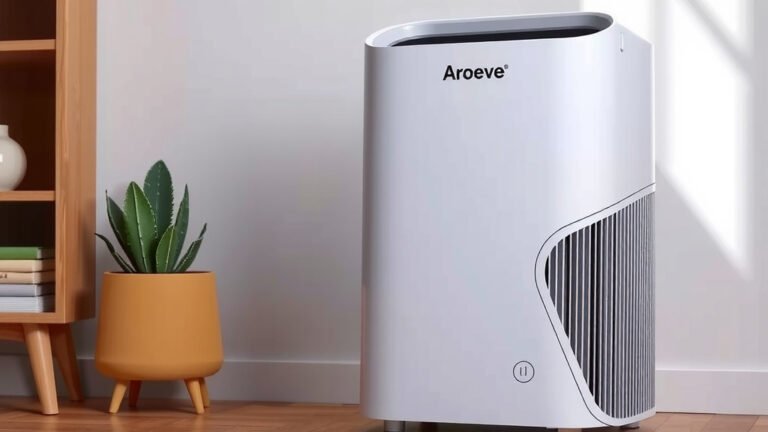
How to Clean Your Air Purifier Filter for Fresh Air
The easiest way to clean your air purifier filter is to vacuum it gently or rinse it with cool water. This helps maintain its efficiency and air quality. Most filters can be cleaned, extending their life significantly. You’ll want to do this regularly.
Keeping your air purifier filter clean is super important. A dirty filter can actually make your air quality worse. It can also make your purifier work harder than it needs to. We found that regular cleaning leads to a longer lifespan for the appliance and fresher air in your home. It’s a win-win!
- Always unplug your air purifier first.
- Check your user manual for specific instructions.
- Vacuuming is often the easiest method.
- Rinsing with cool water works for many filters.
- Allow the filter to dry completely before reinserting.
Ready to get your air purifier back in top shape? Let’s walk through exactly how to clean that filter step by step.
Keeping Your Air Purifier Filter Clean: A Step-by-Step Guide
Your air purifier is working hard to keep your home’s air fresh. But like any hardworking appliance, it needs a little maintenance. Cleaning the filter is one of the most important tasks. It ensures your unit runs efficiently and continues to purify your air effectively. Many experts say a clean filter can significantly improve indoor air quality.
Why Regular Filter Cleaning Matters
Think of your air purifier filter like a sponge. It soaks up all the dust, pollen, pet dander, and other tiny particles floating around. Over time, that sponge gets full. A clogged filter can’t trap new pollutants. In fact, it might even start releasing trapped particles back into your air. Research has shown that poor indoor air quality can affect your health, leading to allergies and respiratory issues (CDC).
When a filter is overloaded, your air purifier has to work harder. This can strain the motor and reduce its lifespan. Regular cleaning helps your machine run smoothly. We found that this simple step can save you money on energy bills and extend the life of your appliance.
Understanding Your Air Purifier Filter Type
Before you start cleaning, you need to know what kind of filter you have. This is the most important step! Not all filters are created equal. Some are designed to be washed, while others are disposable and need to be replaced. Trying to clean a disposable filter can damage it.
Common Filter Types
Most air purifiers use a combination of filters. The pre-filter is usually washable. It catches larger particles like hair and dust bunnies. Behind that, you’ll often find a HEPA filter. This is the workhorse that captures 99.97% of particles 0.3 microns in size. Some units also have an activated carbon filter to remove odors and gases.
Washable Pre-filters
These are typically made of a mesh material. They are the first line of defense against larger debris. Because they are designed to catch the biggest offenders, they get dirty quickly. Thankfully, they are also usually the easiest to clean.
HEPA Filters and Carbon Filters
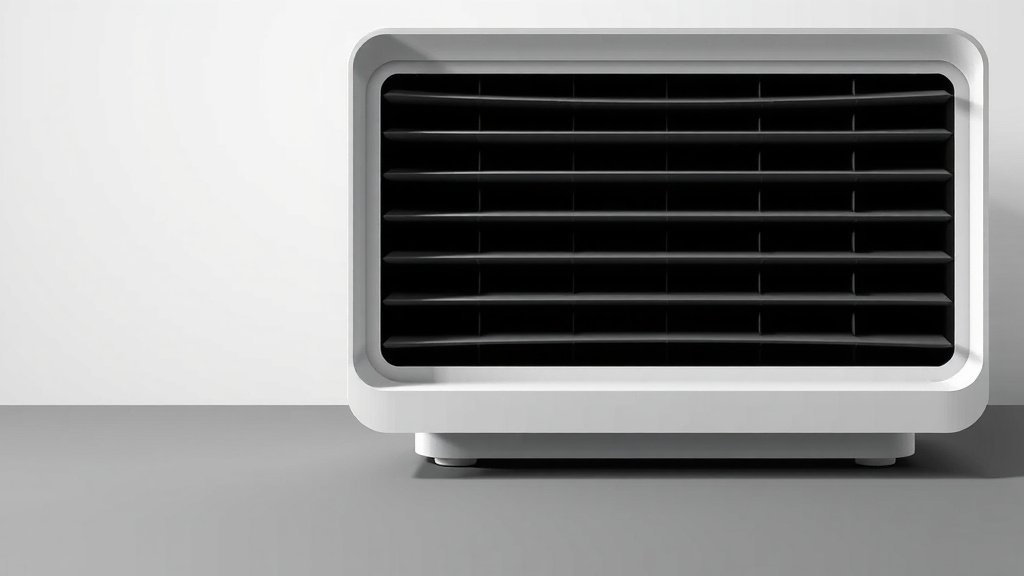
HEPA filters are usually made of a dense, pleated material. Carbon filters are often a black, granular material. These are the filters that most often require replacement, not washing. We found that most user manuals clearly state whether these can be cleaned or need to be replaced. Always check your manual.
Step-by-Step Filter Cleaning Guide
Ready to get your hands dirty? Cleaning your air purifier filter is a straightforward process. Just remember to follow these steps carefully to avoid any damage to the unit or the filter itself.
Step 1: Safety First – Unplug the Unit
This might seem obvious, but it’s critical. Before you do anything else, unplug your air purifier from the wall outlet. You don’t want any accidental power surges or the fan to suddenly start while you’re working on it.
Step 2: Accessing the Filter
Locate the filter compartment. This is usually on the back or side of your air purifier. Many units have a cover that you can unclip or unscrew. Consult your owner’s manual if you’re unsure how to open it. Gently pull the filter out, noting its orientation so you can put it back correctly.
Step 3: Identify Your Filter Type (Again!)
Once the filter is out, take another look. Does it look like a mesh screen? It’s likely a washable pre-filter. Does it feel like thick, folded paper or a dense mat? It’s probably a HEPA filter. If it’s black and feels granular, it’s likely a carbon filter. Remember, check your manual to be absolutely sure. Many manufacturers recommend replacing HEPA and carbon filters every 6-12 months.
Step 4: Cleaning a Washable Pre-Filter
If you have a washable pre-filter, you’re in luck! You have a couple of good options.
Option A: Gentle Vacuuming
You can use your vacuum cleaner’s brush attachment. Gently go over the surface of the pre-filter. You’re trying to lift off the dust and debris, not push it deeper. Move the vacuum in the same direction as the filter’s pleats, if applicable. This method is quick and effective for light dust.
Option B: Rinsing with Water
For a more thorough clean, you can rinse the filter. Use cool or lukewarm water. Avoid hot water, as it can damage the filter material. You can rinse it under a faucet or in a sink. Gently agitate the water to help loosen trapped particles. Don’t scrub aggressively. We found that a simple rinse is often enough to restore airflow.
Step 5: Drying the Filter Completely
This is a step you absolutely cannot skip. Once you’ve rinsed a filter, it must be completely dry before you put it back in the air purifier. Even a little moisture can lead to mold or mildew growth, which defeats the purpose of purifying your air. Air drying is best. Place the filter on a rack or towel in a well-ventilated area. Avoid direct sunlight or heat, as this can warp the filter. It might take several hours, so plan accordingly.
Step 6: Reassembling Your Air Purifier
Once the filter is bone dry, carefully slide it back into its compartment. Make sure it’s oriented correctly, matching the way it came out. Close and secure the filter cover. Then, plug your air purifier back in. You should notice your unit running more quietly and efficiently.
What to Do with Non-Washable Filters
If your filter is not washable, your options are limited to replacement. Trying to wash a HEPA or carbon filter will likely damage its delicate structure. This can reduce its effectiveness or even render it useless.
When to Replace Your Filters
Most manufacturers recommend replacing HEPA and activated carbon filters every 6 to 12 months. However, this can vary depending on your home environment and how often you use the purifier. If you notice a decrease in air quality, a musty smell, or if your unit seems to be working harder, it might be time for a replacement.
Purchasing Replacement Filters
Always buy filters that are specifically designed for your air purifier model. Using generic or incompatible filters can harm your appliance. You can usually find replacements on the manufacturer’s website or through authorized dealers.
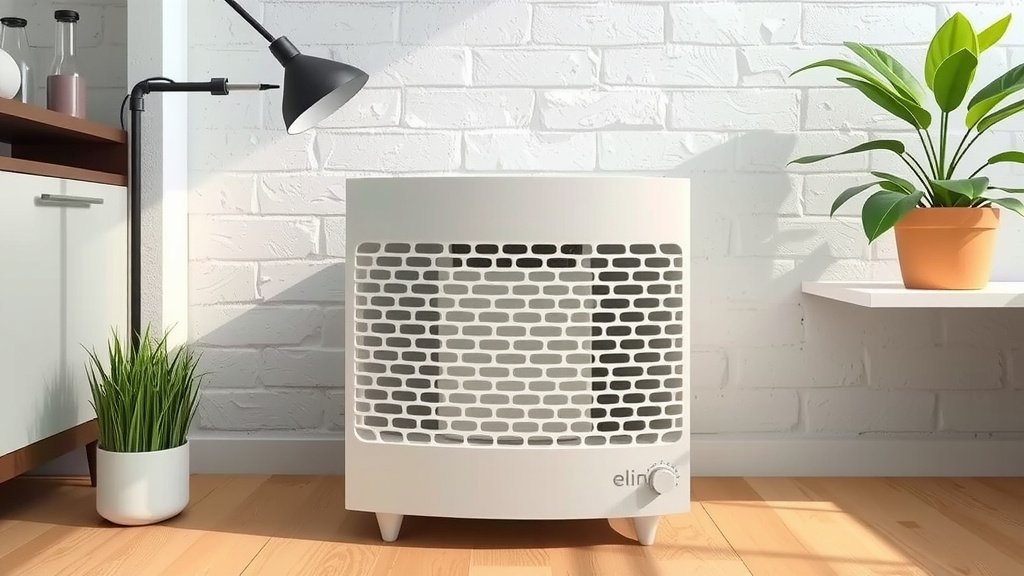
A Quick Checklist for Filter Maintenance
Here’s a handy checklist to keep your filter cleaning routine on track:
- Unplug your air purifier before starting.
- Check your user manual for filter type and cleaning instructions.
- Vacuum washable pre-filters gently.
- Rinse washable filters with cool water if needed.
- Dry washable filters completely before reinserting.
- Replace HEPA and carbon filters as recommended.
Troubleshooting Common Filter Issues
Sometimes, even with regular cleaning, you might run into issues. Don’t worry, most are easily solved.
Filter Smells Musty
This usually means the filter is too wet or has been in the unit too long. Make sure washable filters are bone dry. If the smell persists after cleaning, or if it’s a non-washable filter, it’s time for a replacement.
Airflow Seems Reduced
A clogged filter is the primary culprit. Try vacuuming or rinsing your washable pre-filter. If you have a HEPA filter and the airflow is still low, it’s probably time to replace it. Many experts agree that a clogged HEPA filter is the main cause of reduced airflow.
Conclusion
You’ve learned how essential it is to keep your air purifier filter clean for optimal performance and your home’s air quality. Remember, not all filters are the same – always check your manual to identify if yours is washable or requires replacement. By gently vacuuming or rinsing washable pre-filters and allowing them to dry completely, you extend the life of your unit and ensure it’s always working its best. If your filter is designed for replacement, make sure to swap it out on schedule for the freshest air possible. Taking these simple steps will make a noticeable difference in your home’s air.
Frequently Asked Questions
How often should I clean my air purifier filter?
For washable pre-filters, aim to clean them every 2-4 weeks. This helps prevent dust buildup and maintains good airflow. If you notice a significant amount of dust or debris, you might need to clean it more frequently, especially if you have pets or live in a dusty area.
Can I use soap to wash my air purifier filter?
Generally, it’s best to avoid soap or harsh detergents when cleaning washable filters. Plain cool water is usually sufficient to remove dust and particles. Soap residue can clog the filter’s pores or leave a scent that the purifier might redistribute.
How do I know if my HEPA filter needs replacing instead of cleaning?
HEPA filters are typically made of dense material and are not designed to be washed. If your filter is labeled as HEPA and doesn’t look like a mesh screen, it’s almost certainly a replacement-only filter. Check your user manual; it will explicitly state when to replace it, usually every 6-12 months.
What happens if I don’t clean my air purifier filter?
If you don’t clean or replace your filter, it will become clogged with pollutants. This reduces the purifier’s effectiveness, causing it to work harder and consume more energy. In some cases, a severely clogged filter can even start releasing trapped particles back into your air, worsening indoor air quality.
Can I put a damp filter back into my air purifier?
Absolutely not. A damp filter can promote mold and mildew growth inside your air purifier. This not only creates a musty smell but also contaminates the air it’s supposed to be cleaning. Always ensure washable filters are completely dry before reinstallation.