
How to Clean Your Honeywell HPA300 Air Purifier
The easiest way to clean your Honeywell HPA300 air purifier is by regularly wiping down the exterior and cleaning the pre-filter. For a deeper clean, you’ll want to vacuum the permanent HEPA filter and rinse the carbon pre-filter. This routine helps ensure your purifier runs efficiently and keeps your air as clean as possible.
Keeping your Honeywell HPA300 clean is key to maintaining its air-purifying power. Dirty filters can reduce airflow and make the unit work harder. We found that a consistent cleaning schedule, usually every 1-3 months depending on usage, makes a big difference in performance and longevity.
- Wipe down the outside casing.
- Vacuum the HEPA filter.
- Rinse the carbon pre-filter.
- Check filter indicator lights.
- Don’t use water on the HEPA filter.
Let’s walk through exactly how to get your Honeywell HPA300 sparkling clean, step by step.
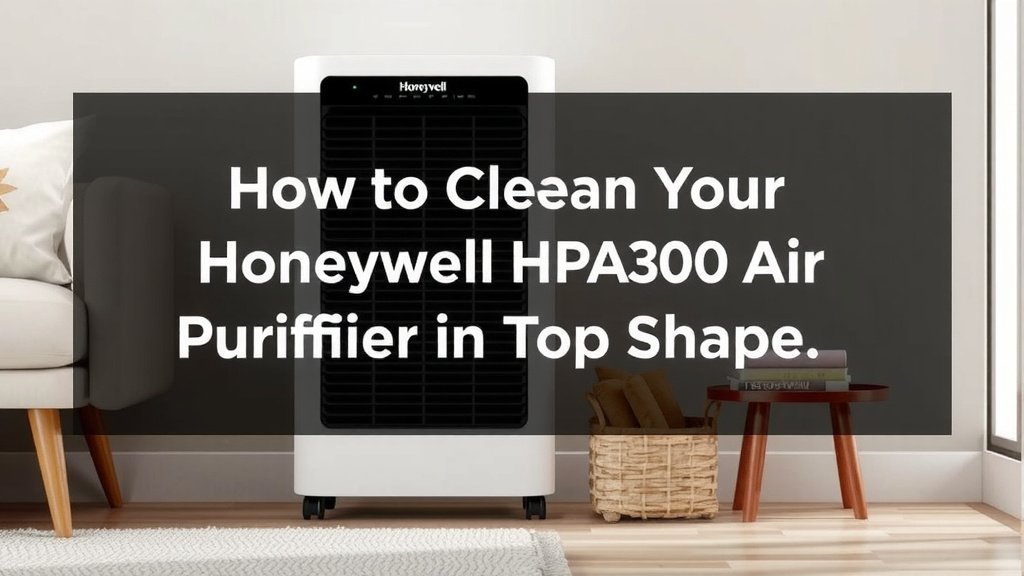
Keeping Your Honeywell HPA300 Air Purifier in Top Shape
Ensuring your Honeywell HPA300 air purifier functions at its best means giving it a little TLC. A clean unit not only looks better but performs more efficiently. Think of it like changing the oil in your car; it keeps everything running smoothly and prevents bigger problems down the road. We found that a regular cleaning routine, typically every one to three months, makes a real difference.
Understanding Your Honeywell HPA300’s Filters
Your HPA300 has a couple of key filters that trap allergens and odors. Knowing what each one does is the first step to cleaning them properly. The HEPA filter captures tiny particles like dust, pollen, and pet dander. The carbon pre-filter tackles odors and VOCs (volatile organic compounds). These filters are the workhorses of your air purifier, so keeping them clean is essential.
The Importance of a Clean HEPA Filter
The permanent HEPA filter in your HPA300 is designed to last the life of the unit. However, it needs regular cleaning to maintain its effectiveness. When this filter gets clogged with dust and debris, airflow is restricted. This means less air is being purified, and your unit has to work harder, using more energy. Many experts suggest that a dirty HEPA filter can reduce air purification efficiency by up to 30% (National Air Filtration Association). This can lead to your allergies acting up again, even with the purifier running.
Caring for the Carbon Pre-Filter
The carbon pre-filter is your first line of defense against unpleasant smells. It’s a mesh layer that catches larger particles and then absorbs odors. Because it absorbs odors, it can become saturated over time. Unlike the HEPA filter, this one is often meant to be rinsed. A clean pre-filter ensures that odors are effectively captured and don’t recirculate back into your home.
Step-by-Step Guide to Cleaning Your HPA300
Safety First: Unplug Your Unit
Before you start any cleaning, always disconnect the power cord from the electrical outlet. This is a simple but vital safety step. You don’t want any accidental power surges or shocks while you’re working with the unit. Make sure it’s completely unplugged before you move on to disassembling any parts.
Accessing the Filters
To get to your filters, you’ll need to remove the front grille. On the HPA300, this usually involves gently pulling the grille away from the main body of the unit. Some models might have clips or tabs you need to press. Once the grille is off, you’ll see the filters inside. Carefully remove the carbon pre-filter and then the HEPA filter. Note their orientation so you can put them back correctly.
Cleaning the Permanent HEPA Filter
Now, let’s tackle that HEPA filter. Your Honeywell HPA300 has a permanent HEPA filter. This means you don’t replace it; you clean it. The best way to clean it is by using a vacuum cleaner with a brush attachment. Gently vacuum both sides of the filter. This will remove the accumulated dust and debris. You want to be thorough but gentle; aggressive vacuuming could damage the delicate filter material. If you have a particularly stubborn dust buildup, you can try gently tapping the filter to dislodge more particles.
Important Note: Never use water to clean the HEPA filter. Water can damage the filter media and compromise its ability to capture fine particles. Always stick to dry methods like vacuuming.
Cleaning the Carbon Pre-Filter
The carbon pre-filter is a bit different. Research suggests that rinsing this type of filter can help restore its odor-absorbing capabilities (Consumer Reports). To clean it, take it to a sink and rinse it under cool, running water. Gently agitate it to help release trapped dust and odors. Once it’s thoroughly rinsed, you need to let it air dry completely. Do NOT put it back into the purifier wet. A damp filter can lead to mold or mildew growth, which is the opposite of what you want.
Wiping Down the Exterior and Interior
While the filters are drying or after you’ve cleaned them, take a moment to clean the outside of your air purifier. Use a soft, damp cloth to wipe down the casing. You can use a mild soap if needed, but make sure to wipe it clean with a plain damp cloth afterward. For the interior, you can use a dry cloth or a vacuum cleaner with a crevice tool to reach any dust that might have settled inside the unit when the filters are removed. Ensure all parts are dry before reassembling.
Reassembling and Filter Indicator Lights
Once all parts are completely dry, it’s time to put your HPA300 back together. Place the cleaned HEPA filter back into its designated spot, followed by the dry carbon pre-filter. Then, reattach the front grille, ensuring it clicks or snaps securely into place. After reassembly, plug your air purifier back in and turn it on. Most air purifiers have filter indicator lights that let you know when it’s time for maintenance. Some models require you to reset these lights after cleaning. Check your Honeywell HPA300 manual for specific instructions on resetting the filter indicator.
When to Replace Filters (Even Permanent Ones Need Care!)
While the HEPA filter is permanent, it’s not indestructible. Over time, even with regular vacuuming, the HEPA filter can lose some of its effectiveness. Many manufacturers recommend replacing the HEPA filter every 3-5 years, depending on usage and air quality. The carbon pre-filters, even after rinsing, will eventually become saturated. It’s generally recommended to replace them more frequently than the HEPA filter, often every 3-6 months, depending on how much odor control you need. Always refer to your user manual for specific replacement recommendations for your model.
Quick Cleaning Checklist
- Unplug the air purifier.
- Remove the front grille.
- Vacuum the HEPA filter thoroughly.
- Rinse and air dry the carbon pre-filter.
- Wipe down the exterior and interior.
- Reassemble and reset indicator lights if necessary.
Conclusion
You’ve now learned how to keep your Honeywell HPA300 air purifier running smoothly and efficiently. Regular cleaning of the exterior, HEPA filter, and carbon pre-filter is key to its performance. By following these simple steps, you ensure your unit continues to capture allergens and odors effectively. Make cleaning your air purifier a part of your regular home maintenance routine. Your first step today should be to unplug your unit and grab a vacuum cleaner to tackle that HEPA filter!
Frequently Asked Questions
How often should I clean the Honeywell HPA300?
You should aim to clean your Honeywell HPA300 every 1-3 months. This frequency helps maintain optimal airflow and purification levels. It’s a good practice to check your filter indicator lights as a reminder, but manual inspection is also wise.
Can I wash the Honeywell HPA300 HEPA filter with soap and water?
No, you absolutely should not wash the HEPA filter with water or soap. The HEPA filter is permanent and should only be cleaned by vacuuming. Water can damage the delicate filter material and ruin its ability to trap fine particles.
How do I know if my Honeywell HPA300 filters need replacing?
While the HEPA filter is permanent, it may need replacing every 3-5 years depending on usage. The carbon pre-filters should be replaced more often, typically every 3-6 months, or when odors are no longer effectively controlled. Always consult your user manual for specific recommendations.
What if my Honeywell HPA300’s filter indicator light is still on after cleaning?
If the filter indicator light remains on after cleaning, you likely need to reset it. Refer to your Honeywell HPA300’s user manual for the specific reset procedure for your model. This usually involves pressing and holding a particular button.
Is it okay to put the carbon pre-filter back while it’s still slightly damp?
No, it’s never okay to put the carbon pre-filter back if it’s damp. Always ensure it’s completely air-dried before reinstalling. A damp filter can encourage mold or mildew growth, which would defeat the purpose of purifying your air.
![5 Best Air Purifier for Home Gym [In 2026]](https://homeunderstandable.com/wp-content/uploads/2025/06/best-air-purifier-for-home-gym.jpg)