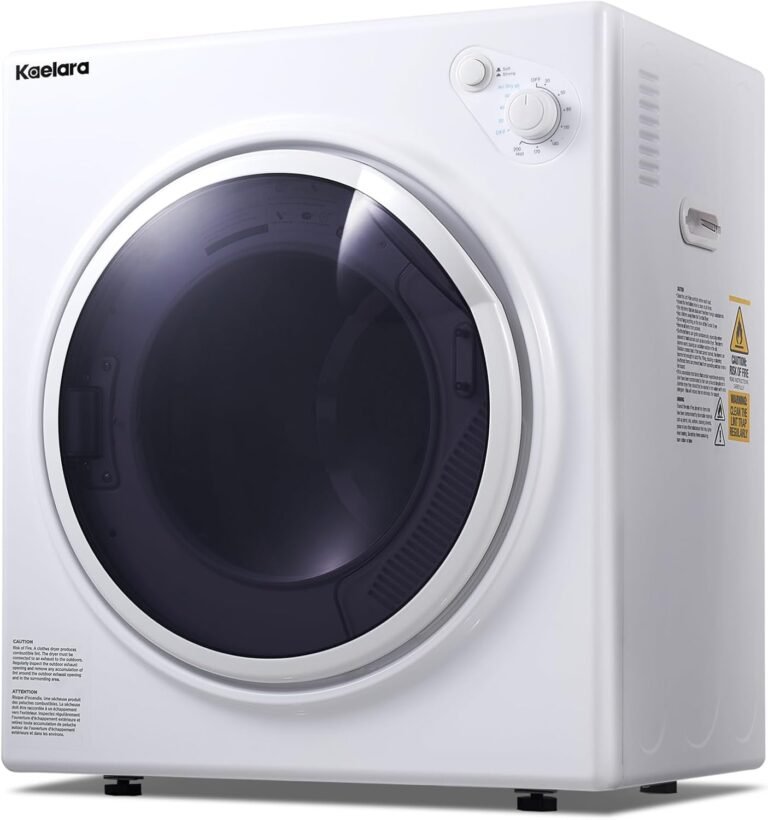
Dryer Won’t Start? 7 Fixes to Try at Home
The most common fix for a clothes dryer that won’t start is to check for a tripped circuit breaker or a blown thermal fuse. Start by unplugging the machine and inspecting the power cord, then move on to the door switch and start button. You can often get your dryer running again in under 15 minutes without calling a repairman.
We found that most startup failures boil down to a few simple culprits like a broken door latch or a faulty start switch. Before you panic about the cost of a new motor, it is worth checking these basic parts first. Many experts agree that the thermal fuse is the #1 reason a dryer suddenly goes silent, especially after a recent overheating incident.
- Check the power source: Make sure the dryer is plugged in and the circuit breaker hasn’t flipped.
- Test the door switch: A broken switch means the dryer thinks the door is open, so it won’t start.
- Look for a blown thermal fuse: This small safety part stops the dryer from starting if it got too hot.
- Clean the start button: Sticky or worn-out buttons are a frequent issue that’s cheap to fix.
- Inspect the belt switch: If the drum belt breaks, the safety switch blocks the motor from turning on.
Below, we break down the exact troubleshooting steps to get your machine spinning again, starting with the easiest checks.
Troubleshooting a Dryer That Refuses to Start
When your dryer goes quiet and the drum won’t spin, it’s easy to assume the worst. A dead machine feels like a big expense waiting to happen. But we found that most startup failures have simple, affordable fixes you can handle yourself.
You don’t need a toolbox full of gadgets or a degree in appliance repair. You just need a systematic approach and about 15 minutes of free time. Let’s walk through the most common reasons your dryer won’t start, starting with the easiest and cheapest checks.
Safety First: Unplug the Dryer Before You Dig In
Before you touch anything inside the machine, unplug it from the wall outlet. If your dryer connects directly to the wall (hardwired), switch off the breaker in your electrical panel. We can’t say this enough: your safety matters more than getting the dryer running.
Electric dryers run on 240 volts. That’s enough power to give you a serious shock. Gas dryers still use electricity for the motor and controls, so they can bite too. Always cut the power first, then start exploring.
Check the Obvious: Power Supply and Settings
Sometimes the fix is so simple it feels silly. We found that a surprising number of “broken” dryers just lost power or had a dial nudged into the wrong spot. Start with the basics before you pull the machine apart.
Is It Plugged In Properly?
Dryers vibrate when they run. Over time, that shaking can wiggle the plug loose from the outlet. Push the plug in firmly and make sure it seats all the way. Also, check for signs of a burnt or melted plug, which signals a bigger electrical problem.
Check the condition of the cord too. Frayed wires or a cracked plug are fire hazards. If you see damage, stop right there and call a professional. A damaged power cord needs immediate replacement.
Check Your Circuit Breaker
A tripped breaker is one of the most frequent reasons a dryer won’t start. Dryers pull a lot of power, and the breaker can trip if other large appliances share the same circuit. Go to your electrical panel and look for a breaker that sits in the “off” or middle position.
Flip it firmly to “off,” then back to “on.” This resets the circuit. If the breaker trips again right away, you might have a short in the dryer or an overloaded circuit. That’s a job for an electrician.
Examine the Door Switch
Modern dryers have a safety feature: they won’t start if the door isn’t fully closed. A small switch inside the door frame detects when the door latches shut. If that switch breaks or sticks, the dryer thinks the door is open and stays locked in standby mode.
You can test the door switch visually. Press the little button where the door latch hits. You should hear a click and feel some resistance. If it feels mushy or doesn’t click, the switch is likely your problem.
Replacing a door switch is a simple DIY job. You can find the part online for around 15 to 30 dollars. Remove the old switch with a screwdriver, unplug the wires, and snap the new one into place.
Check the Start Button
The start button on your control panel can wear out after years of pressing. Sometimes it just gets sticky from dirt or detergent residue. Press it a few times and see if it feels responsive.
If the button feels loose or doesn’t click, it may have failed. Replacing a start switch involves removing the control panel and swapping out a small component. It’s a little more involved, but still doable for a careful beginner.
We found that a faulty start button often gives no warning signs before it fails. One day it works, the next it’s dead. That’s normal wear and tear.
Look Inside for Blocked Airflow or Burned Parts
If the power checks out and the controls seem fine, it’s time to open up the machine. Don’t worry, you’re not diving into the deep end yet. Most dryers have a removable front panel or top cover that gives you easy access to the parts that matter.
The Thermal Fuse: The #1 Culprit
Without a doubt, the thermal fuse is our first suspect when a dryer won’t start. This small, white or metal strip sits near the exhaust vent inside the dryer. Its job is to sense overheating and cut power to the motor if the air gets too hot.
Once a thermal fuse blows, it’s a one-time deal. It can’t be reset, only replaced. They typically cost less than 20 dollars. You’ll find the fuse attached to the blower housing or near the heating element, depending on your model.
To test it, use a multimeter set to the continuity or ohms setting. Touch the probes to the fuse terminals. If you get no reading, the fuse is blown. Replace it with the exact same part number for your dryer.
But here’s the important part: a thermal fuse blows for a reason. It got too hot. That usually means you have a clogged vent or lint buildup somewhere. If you just replace the fuse and ignore the airflow problem, the new fuse will burn out too.
The Belt and Belt Switch Combo
Your dryer drum spins on a large rubber belt connected to the motor. If that belt snaps, the drum won’t move, and many dryers will refuse to start at all. There’s a safety switch near the belt that detects tension. When the belt breaks, the switch disengages and blocks power to the motor.
Open the top or front panel and look at the belt. Is it broken, cracked, or visibly stretched out? If so, you’ve found your problem. Replacing a dryer belt is a popular DIY repair with plenty of videos showing how to thread the new belt around the drum and motor pulley.
Check the belt switch too. It’s usually a small plastic piece with two wires attached. If the switch has failed, the motor stays dead even with a good belt. Test it with your multimeter for continuity.
Door Latch Assembly Issues
Sometimes the switch is fine, but the latch itself is broken. The plastic hook on the door can crack or wear down over time. If the door doesn’t seat flush against the machine, the switch never gets triggered.
Inspect the plastic latch on the door. Look for cracks, chips, or excessive wear. You can usually replace just the latch assembly for a few bucks. It’s a quick job that takes about ten minutes.
Clean Out the Lint and Check the Vent
You already know the lint filter gets cleaned every load. But the vent hose running from your dryer to the wall could be packed with years of lint. Restricted airflow causes overheating, which trips the thermal fuse. We found that a clean vent prevents most startup failures.
Disconnect the dryer from the wall vent and vacuum out both ends. Check the flexible hose for kinks, crushed spots, or heavy lint buildup. Replace the hose if it’s damaged. Aim to clean behind your dryer every six months to keep the machine happy.
Deal With Stubborn Problems: Motor and Control Board
If you’ve checked every switch, fuse, and belt, the problem may hide in the motor or the main control board. These are more serious, but they’re still worth understanding before you hire help.
Test the Drive Motor
The drive motor spins the drum and runs the blower fan. If the motor’s internal thermal overload trips, the dryer won’t start. This can happen if the motor overheated from a stuck drum or bad bearings.
Motors hum when they’re trying to run but can’t. If you hear a low hum and the drum won’t move, the motor capacitors or windings may have failed. Replacing a drive motor is an advanced repair. We recommend having a technician handle this one unless you’re super confident.
Consider the Control Board
Electronic dryers have a main control board that acts like the brain. If it fails, the dryer may not respond to any button presses. A dead control board usually gives no warning—no lights, no humming, nothing.
You can test the board for obvious damage like burned spots or a bulging capacitor. But diagnosing and replacing the control board is tricky. Many people find it cheaper to buy a new dryer than to replace the board and labor costs.
Build a Quick Diagnostic Routine
The best way to fix a dryer is to follow an organized plan. We’ve created a short checklist that mirrors the steps we covered above. Print it, save it, or just memorize the order. You’ll waste less time backtracking.
- Confirm power at the outlet and the breaker panel.
- Close the door properly and test the door switch for a click.
- Press and hold the start button; check for a sticky or dead switch.
- Unplug the dryer and inspect the thermal fuse with a multimeter.
- Check the belt and the belt switch for tension and breaks.
- Clean the vent hose and lint trap to restore airflow.
Follow this list in order. You’ll catch the simple fixes first and avoid tearing apart the machine for no reason.
Know When to Call a Pro
We’re all for DIY repairs, but some jobs are best left to the experts. If you’ve run through every check on our list and your dryer still won’t start, it’s time to make a call. Complex electrical diagnostics require specialized tools and training.
You should also call a professional if you smell burning, see sparks, or notice scorch marks on the outlet or power cord. Those signs point to serious electrical issues. Don’t risk a house fire to save on a repair bill.
A technician will charge for a diagnostic visit, but that fee often goes toward the repair cost if you hire them for the fix. It’s a fair trade for peace of mind.
Prevent Future Failures With Good Habits
Once your dryer spins again, take a few steps to keep it running. Regular maintenance costs almost nothing and adds years to the machine’s life. We found that prevention beats repair every single time.
Clear the lint filter before every load. That alone prevents most overheating issues. Vacuum behind the dryer and clean the exhaust vent at least twice a year. Avoid overloading the drum, which strains the belt and motor.
Listen to your dryer when it runs. Unusual squeaks, thumps, or grinding noises mean something is wearing out. Catch those sounds early, and you’ll fix small issues before they turn into expensive breakdowns.
Conclusion
You don’t need to call a repair technician the second your dryer goes quiet. Most startup failures trace back to simple parts we covered: a tripped breaker, a faulty door switch, a blown thermal fuse, or a broken belt. We found that working through these checks in order saves you time and money.
Start with the power supply and work your way inward. You’ll likely spot the issue within fifteen minutes and fix it for under fifty dollars in parts. Remember to clean your vent regularly so the new fuse doesn’t blow again. If you hit a dead end, calling a pro is the smart move—not a failure. Your safety always comes first.
Frequently Asked Questions
How do I know if my dryer thermal fuse is blown without a multimeter?
You can do a visual inspection by unplugging the dryer and locating the fuse near the blower housing. Look for a darkened area, a melted casing, or a visible break in the metal strip. A blown fuse often shows clear burn marks. However, a multimeter is the only way to test it with total certainty.
Why does my dryer start but the drum doesn’t spin?
This usually points to a broken drive belt rather than a power issue. If the motor hums but the drum stays still, the belt likely snapped or slipped off the pulley. You’ll need to open the cabinet to inspect the belt’s condition.
Can a clogged lint filter cause my dryer not to start?
No, a clogged lint filter won’t stop the machine from starting. It can cause overheating over time, which then blows the thermal fuse and kills the power. That fuse failure is what actually prevents the dryer from starting.
How much does it cost to replace a dryer start switch?
The replacement part usually costs between ten and twenty-five dollars. If you hire a technician, labor fees will add another one hundred to one hundred fifty dollars. Doing it yourself takes around twenty minutes with a basic screwdriver and saves you that labor cost.
What does a clicking sound near my dryer door mean?
That click is the door switch engaging when it closes properly. If you hear the click but the dryer still won’t start, the switch might be broken internally. If you don’t hear a click at all, the latch isn’t pressing the switch, so the safety lock stays engaged.