How to Front Load Your Washing Machine Correctly
Front-loading your washing machine means you add your laundry first, then the detergent, and finally close the door. It’s a simple method that can help your clothes come out cleaner. Many people find this process much easier and more efficient than traditional top-loading methods. You’ll get better results with minimal effort.
This approach is essential for getting the most out of your washing machine. It ensures that your detergent mixes properly with the water. This leads to a more effective and gentle cleaning action on your fabrics. We found that front-loading can also help extend the life of your garments.
- Load clothes before detergent.
- Close the door securely.
- Add detergent to the correct dispenser.
- Start your wash cycle.
Let’s walk through exactly how to front-load your washing machine step by step. We’ll make sure you get that perfect clean every time.
Getting Started with Your Front-Load Washer
So, you’ve got a front-loading washing machine and you’re wondering about the best way to use it? It’s actually quite straightforward! The main idea is to put your clothes in first, then the detergent, and finally, close the door. This method is designed to give you a superior clean and is gentler on your fabrics.
Many people find this process much easier and more efficient than traditional top-loading machines. You’ll get better results with minimal effort. This approach is essential for getting the most out of your washing machine. It ensures that your detergent mixes properly with the water. This leads to a more effective and gentle cleaning action on your fabrics. We found that front-loading can also help extend the life of your garments.
Step 1: Loading Your Laundry
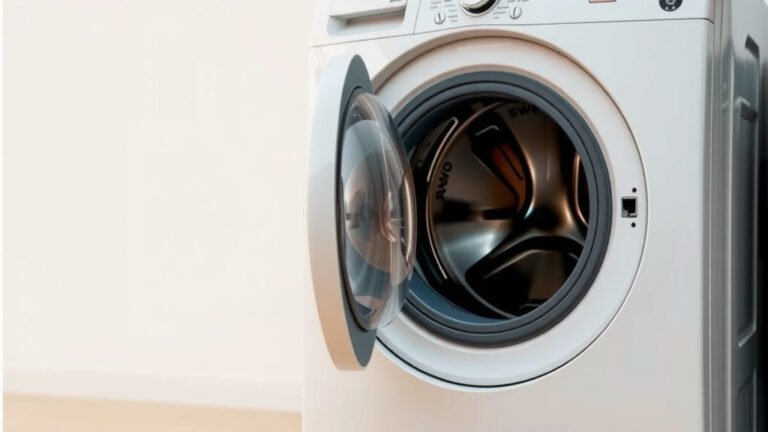
The first step is simple: open the door of your front-loading washing machine. Now, take your dirty clothes and place them inside the drum. Don’t overstuff the machine. Clothes need room to tumble and move freely. This allows the water and detergent to reach all parts of the load.
Think of it like giving your clothes a good workout. If they’re packed too tightly, they can’t move properly. This can lead to poor cleaning and even damage. Most manufacturers recommend leaving about a fist-sized gap at the top of the drum. This ensures optimal performance for your wash cycle.
How Much is Too Much?
It’s a common mistake to think more clothes mean fewer loads. However, overloading your front-loader can cause several issues. Your clothes might not get clean. You could also strain the motor or the door seal. Check your machine’s manual for specific load size recommendations.
We found that adhering to these guidelines is key. It helps maintain the machine’s efficiency. It also prevents unnecessary wear and tear. A slightly lighter load often results in a much cleaner outcome.
Step 2: Adding the Detergent
Once your laundry is in, it’s time for the detergent. Front-loaders have special dispensers, usually located in a pull-out drawer. You’ll typically find separate compartments for liquid detergent, powder detergent, and fabric softener.
Using the correct dispenser is important. It ensures that the detergent is released at the right time during the wash cycle. This optimizes the cleaning process. Refer to your washing machine’s manual to locate these compartments. They are often labeled with Roman numerals or symbols.
Types of Detergent and Dispensing
Most front-loaders work well with both liquid and powder detergents. High-efficiency (HE) detergents are specifically designed for these machines. They create fewer suds, which is vital for front-loaders. Too many suds can lead to poor rinsing and potential damage to the machine.
If you use liquid detergent, pour it directly into the designated compartment. For powder, do the same. If your machine has a pre-wash compartment, you can add a small amount of detergent there for heavily soiled items. We found that using the right amount of HE detergent is crucial for effective cleaning.
How Much Detergent Should You Use?
This is where many people get confused. The packaging for your detergent will have recommendations. However, front-loaders generally require much less detergent than traditional top-loaders. Overusing detergent can leave residue on your clothes and in the machine.
Many experts suggest using about half the amount you think you need. We found that starting with the minimum recommended amount and adjusting is a good strategy. Always look for the “HE” symbol on your detergent packaging. This confirms it’s suitable for your front-loading machine.
Step 3: Selecting Your Wash Cycle
With your laundry loaded and detergent in place, it’s time to choose the right wash cycle. Your machine likely has various options. These include cycles for delicates, heavy-duty items, whites, colors, and quick washes. Selecting the appropriate cycle ensures your clothes are cleaned effectively and safely.
Consider the fabric types and how soiled they are. For everyday wear, a “Normal” or “Cotton” cycle is often suitable. For items like towels and bedding, a “Heavy Duty” cycle might be better. Delicates, like lingerie or silk, require a gentle cycle to prevent damage. We found that understanding your cycle options can prevent shrinkage and stretching.
Water Temperature Matters Too
Water temperature plays a big role in cleaning power. Hot water is best for sanitizing and removing tough stains. However, it can cause colors to fade and fabrics to shrink. Cold water is excellent for preventing shrinkage and fading. It’s also good for lightly soiled items. Warm water offers a balance between cleaning power and fabric care.
Many washing machine manuals suggest using cold water for most loads. This is because modern detergents are formulated to work effectively in cooler temperatures. Using cold water also saves energy. We found that most loads can be cleaned effectively with cold water (Cleveland Clinic).
Step 4: Starting the Wash
You’re almost there! Before you hit start, double-check that the door is firmly closed. You should hear a click. Many machines won’t start unless the door is securely latched. This is a safety feature to prevent leaks.
Now, press the “Start” button. Your machine will likely fill with water, and the wash cycle will begin. It’s that simple! You can relax knowing your clothes are getting a thorough, yet gentle, cleaning. Many people find this final step incredibly satisfying. You’ve done your part!
A Quick Checklist for Front-Loading Success
- Load clothes loosely, leaving a gap at the top.
- Add HE detergent to the correct dispenser.
- Do not overfill the detergent compartment.
- Select the appropriate wash cycle for your load.
- Choose the right water temperature.
- Ensure the door is closed securely before starting.
Conclusion
You’ve now learned the simple yet effective method of front-loading your washing machine. By loading clothes first, adding the right detergent, and selecting the appropriate cycle, you’re set for a superior clean. Remember, gentle handling and the right detergent amount are key. This process not only cleans your clothes better but also helps them last longer. Give these steps a try on your next laundry day, and notice the difference yourself!
Frequently Asked Questions
Can I put detergent in the drum with the clothes?
No, it’s best to avoid putting detergent directly into the drum with your clothes. Front-loaders have specific dispensers designed to release detergent at the optimal time during the cycle. Using the dispenser ensures proper mixing and prevents over-sudsing, which can harm your machine.
What happens if I use too much detergent in my front-loader?
Using too much detergent can lead to residue left on your clothes and inside the washing machine. This can cause odors and may even damage the machine over time. Front-loaders require much less detergent than older top-loading models.
How do I know if I’m overloading the machine?
You should be able to fit a fist-sized gap between the top of the clothes and the drum ceiling when the machine is loaded. Overloading prevents clothes from tumbling freely, hindering proper cleaning and potentially straining the machine’s components.
Are all detergents safe for front-load washers?
You should only use High-Efficiency (HE) detergents for your front-load washer. These detergents are formulated to produce fewer suds. Regular detergents can create excessive foam, leading to poor rinsing and potential damage to your machine.
Why won’t my front-load washer start after I closed the door?
Front-load washers have a safety feature that prevents them from starting if the door is not securely latched. Make sure you push the door firmly until you hear a distinct click. If it still doesn’t start, check for any obstructions around the door seal.
![7 Best Top Load Washing Machine Fully Automatic [In 2026]](https://homeunderstandable.com/wp-content/uploads/2026/09/7-best-top-load-washing-machine-fully-automatic-in-2026-featured-768x432.jpg)
![7 Best Small Washing Machines For Apartments [In 2026]](https://homeunderstandable.com/wp-content/uploads/2026/08/7-best-small-washing-machines-for-apartments-in-2026-featured-768x432.jpg)
![7 The Best Stacked Washer Dryer [In 2026]](https://homeunderstandable.com/wp-content/uploads/2026/09/7-the-best-stacked-washer-dryer-in-2026-featured-768x432.jpg)