
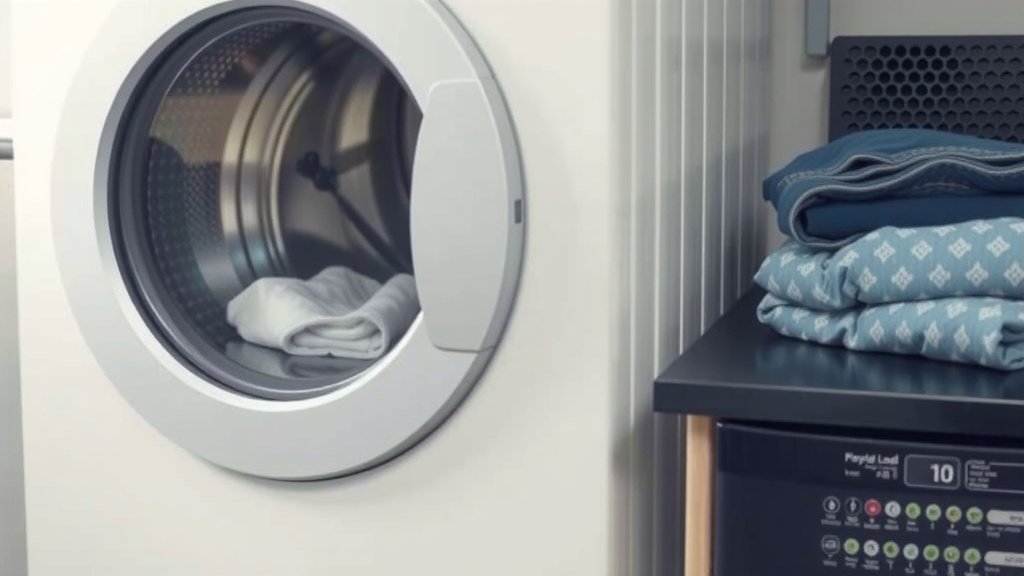
How Full to Load Your Front Load Washer
Your front load washer should be about two-thirds full, or roughly 80% full, to get clothes clean without overloading. This allows your clothes enough space to tumble freely in the water and detergent. Overfilling can lead to poor cleaning results and strain your machine.
Many people wonder if they can just stuff their laundry in. The truth is, front loaders work differently than top loaders. They rely on a tumbling action, not an agitator, to clean. This means your clothes need room to move. Proper loading ensures your machine can do its job effectively and keeps it from developing problems.
- Front loaders are best filled about 80% full.
- Give your clothes room to tumble for best cleaning.
- Overloading can damage your machine and reduce cleaning power.
- Don’t pack the drum too tightly.
Let’s dive into why that’s the sweet spot and how to achieve it every time.
How Full Should Your Front Load Washer Be?
The ideal fill level for your front load washer is about two-thirds to 80% full. This range ensures your clothes have enough room to tumble and get clean. Think of it like a good hug for your laundry – not too tight, not too loose.
Understanding How Front Loaders Work
Front load washers use a tumbling action to clean your clothes. Unlike older top-loaders with a central agitator, they lift clothes up and drop them into the water. This means the clothes need plenty of space to move freely.
The Tumbling Action Explained
When the drum spins, it lifts your garments. Then, gravity pulls them back down into the wash water. This constant motion helps loosen dirt and debris. If the drum is too full, this tumbling effect is severely restricted. It’s like trying to do jumping jacks in a crowded elevator – not very effective!
Why Space Matters for Cleaning
Your detergent needs to circulate effectively. With adequate space, the water and soap can reach every fiber. This allows for a deeper clean. Overcrowding prevents this, leaving you with clothes that aren’t quite fresh. You might even find detergent residue left behind.
The Ideal Load Size: The 80% Rule
Most manufacturers and laundry experts recommend filling the drum about 80% of the way. This isn’t about the weight of the load, but the volume. You should be able to see the top of the clothes, but not much else.
Visualizing the Perfect Load
Imagine you’re packing a suitcase. You want to fit everything, but you don’t want to force the zipper shut. Your washing machine drum is similar. When you load it, there should be a visible gap at the top. You should be able to easily slide your hand between the clothes and the top of the drum.
What Does “80% Full” Look Like?
Let’s break it down. If you can’t see the back of the drum at all, it’s likely too full. If you can see a large empty space and the clothes are just sitting at the bottom, it might be too empty. Aim for that point where the clothes fill most of the drum but still have room to shift.
Consequences of Overloading Your Washer
Stuffing too many clothes into your front loader can cause a few problems. It’s not just about less clean clothes; it can also affect your machine’s lifespan.
Reduced Cleaning Performance
As we discussed, an overloaded drum hinders the tumbling action. This means dirt and stains may not be removed properly. You might find yourself re-washing loads, which wastes time, water, and energy. Plus, the detergent can’t rinse out effectively, leaving behind that sticky residue.
Strain on Machine Components
A heavy, unbalanced load puts extra stress on the washer’s motor and suspension system. Over time, this can lead to premature wear and tear. You might notice strange noises or vibrations during the spin cycle. Research from appliance maintenance sites often highlights overloading as a common cause of washer breakdowns (Appliance Repair Pro).
Potential for Damage
In severe cases, overloading can damage the drum or the door seal. Zippers and buttons on clothing can snag on the drum if there isn’t enough space. This could lead to tears in your clothes or even damage to the machine itself. It’s best to avoid this unnecessary risk.
Underloading: Is Less Always More?
While overloading is more common, underloading can also be an issue. A very small load might not provide enough weight for the machine to balance properly during the spin cycle. This can lead to excessive vibration.
The Balancing Act
Washers need a certain amount of weight to spin efficiently and smoothly. If you’re washing just a couple of small items, consider adding a few towels to help balance the load. A well-balanced load ensures a quieter and more stable operation.
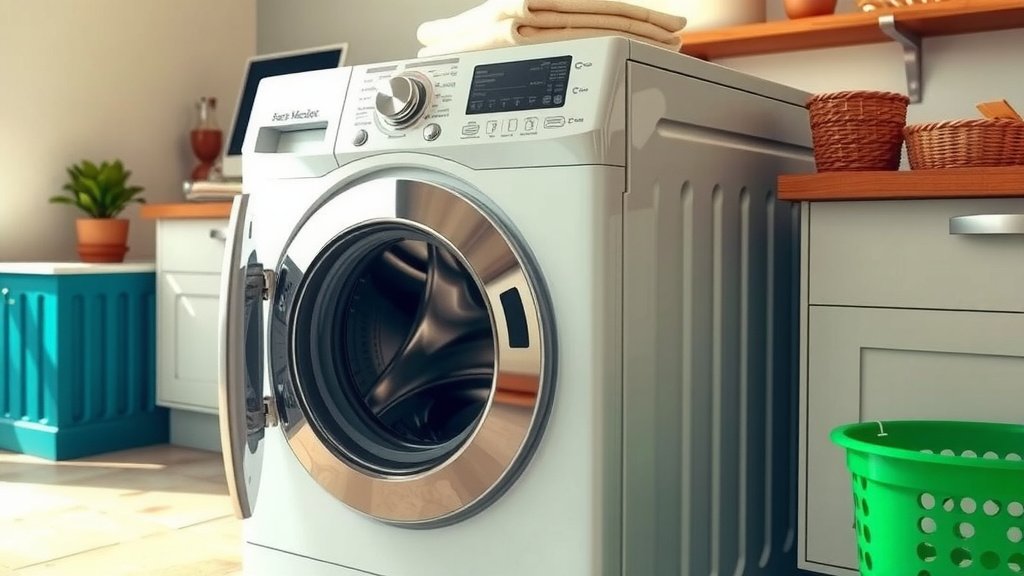
Tips for Loading Your Front Loader Correctly
Getting the load size right is simpler than you think. Here are a few practical tips to make laundry day easier.
Sort Your Laundry First
Always sort your clothes by color, fabric type, and soil level before loading. This not only prevents color bleeding but also helps you gauge load sizes more effectively. You won’t accidentally mix delicate items with heavy towels.
Don’t Pack It Down!
Resist the urge to press your clothes down into the drum. Let them fall naturally. If you have to push them in, it’s definitely too full. Your clothes need air and movement.
Consider Load Size with Water Levels
Modern front loaders are designed to use less water. They often adjust the water level based on the load size. So, even if you can’t see a lot of water at the start, trust the machine. The key is still giving those clothes the space to tumble.
When in Doubt, Err on the Side of Less
If you’re unsure whether your load is too big, it’s usually safer to remove a few items. A slightly underloaded machine will still clean reasonably well and won’t risk the damage that an overloaded one can cause. Better a slightly less full wash than a damaged machine!
Quick Checklist for Perfect Loads
- Check the Gap: Can you see the top of the drum after loading?
- No Packing: Are clothes sitting loosely, not compressed?
- Visual Estimate: Does it look about 80% full?
- Hand Test: Can you easily slide your hand down the side?
- Avoid Overcrowding: When in doubt, take a few items out.
Conclusion
Getting your front load washer loaded correctly is key to clean clothes and a happy machine. Remember that sweet spot: aiming for about 80% full gives your laundry the space it needs to tumble and get truly clean. Avoid the temptation to pack it in! Overloading can lead to poor washing results and unnecessary strain on your appliance. By following the simple tips, like checking for that visible gap at the top, you’ll ensure your washer runs efficiently. Make it a habit to err on the side of less if you’re ever unsure, and your laundry routine will thank you.
Frequently Asked Questions
How can I tell if my front load washer is truly 80% full?
A good visual cue is to look for a visible gap at the top of the drum. You should be able to easily slide your hand down the side between the clothes and the drum. If you can’t see the back of the drum at all, it’s likely too full.
Is it bad to run a front load washer with only one or two items?
Running a front load washer with a very small load can sometimes cause balancing issues during the spin cycle. This can lead to excessive vibrations. If you’re washing just a few light items, consider adding a couple of towels to help balance the load.
Can I just stuff clothes in until the drum looks full?
No, resist the urge to pack your clothes down! Front loaders rely on tumbling action, so clothes need room to move freely. If you have to push items in, your washer is definitely too full. Let the clothes settle naturally.
What if my clothes feel damp but not fully clean after a wash?
This is often a sign of an overloaded washer. When the drum is too full, the detergent can’t circulate properly, and the water can’t rinse away dirt effectively. Try washing a smaller load next time to see if it improves cleaning.
Does the type of clothing affect how full the washer should be?
Yes, while the 80% rule is a good guideline, consider the bulkiness of your items. A load of heavy towels will fill the drum faster than a load of lightweight t-shirts. Always ensure there’s space for items to tumble, regardless of fabric type.
![7 Best Washing Machine Brand To Buy [In 2026]](https://homeunderstandable.com/wp-content/uploads/2026/08/7-best-washing-machine-brand-to-buy-in-2026-featured-768x432.jpg)