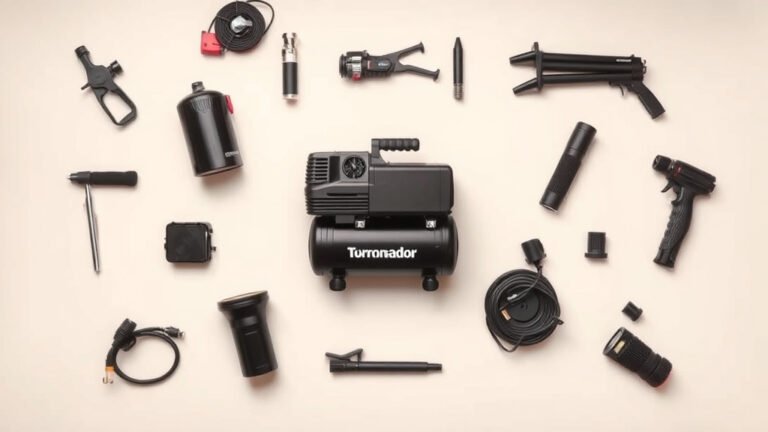
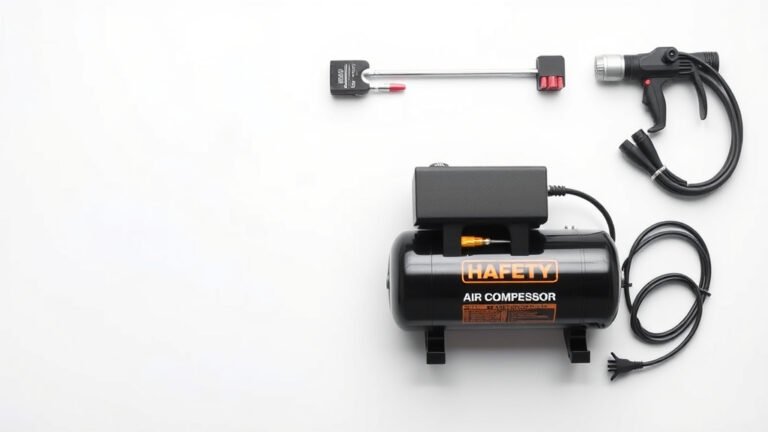
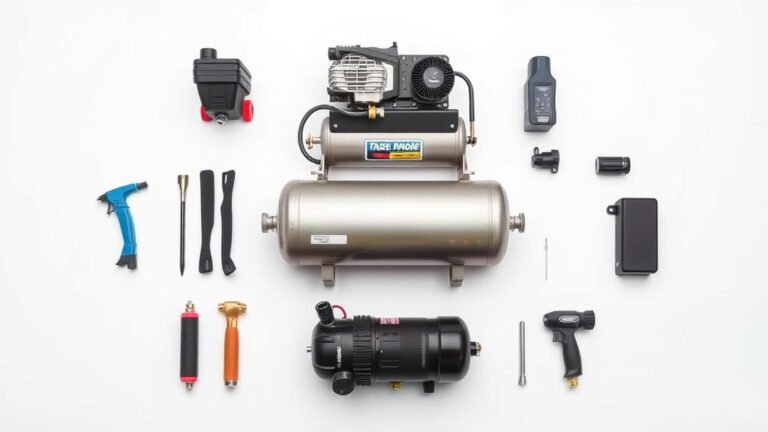
How to Remove Condensation From Your Air Compressor
Got water in your air compressor? Getting condensation out is essential for its health and your tools. The quickest way to remove it involves regular draining and drying. This prevents rust and damage.
Water buildup can cause serious issues. It leads to internal corrosion and tool malfunction. Think of it like leaving your bike out in the rain all the time. Proper maintenance ensures your compressor runs smoothly and your tools last longer.
- Always drain your tank after use.
- Use a portable moisture separator.
- Install an automatic drain valve.
- Keep your compressor in a dry spot.
- Check the air filter for moisture.
Let’s walk through exactly how to get that pesky water out, step by step.
Keeping Your Air Compressor Dry: A Step-by-Step Guide
Water buildup in your air compressor is a common problem. It can damage your tools and the compressor itself. Fortunately, getting rid of this condensation is quite manageable. We’ll walk you through the best methods to keep your air compressor dry and your projects running smoothly.
Understanding Condensation in Air Compressors
Air naturally holds moisture. When this air gets compressed, the moisture is squeezed out. This expelled water then collects inside your air compressor tank. Think of it like a cold soda can on a humid day. Moisture forms on the outside. Your compressor works similarly, but the water collects inside.
Why Condensation is a Problem
Leaving this water inside your compressor can cause some serious trouble. It’s a recipe for rust and corrosion. This can weaken the tank over time. More immediately, this water can get into your air lines. That means it can spray out of your tools. This can ruin paint jobs and damage sensitive equipment.
Many experts agree that preventing rust is key to longevity (Industrial Equipment News). Water is the primary culprit behind this common issue. It’s best to tackle it before it becomes a big headache.
Draining Your Air Compressor Tank
The most direct way to remove condensation is by draining the tank. This is a task you should perform regularly. It’s your first line of defense against water buildup. The most direct way to remove condensation is by draining the tank; our guide explains how often to do it.
Locating the Drain Valve
Most air compressors have a drain valve at the bottom of the tank. It often looks like a small spigot or a knob. You might need to get down on the floor to find it. Some newer models have a pull-cord drain, which is even easier to use.
The Draining Process
Before draining, make sure the compressor is turned off and unplugged. Also, ensure the tank is not pressurized. Open the drain valve slowly. You’ll likely hear air escaping. Water will start to come out, often looking murky or dirty. Let it drain until only air comes out. Then, close the valve securely. Open the drain valve slowly to release water and air from the tank.
We found that draining after every use is the most effective habit. It takes just a minute or two. This simple step prevents a lot of future problems for your equipment. It’s like putting your tools away after use – good practice!
Improving Moisture Removal with Accessories
While manual draining is essential, you can enhance your compressor’s ability to shed moisture. Adding accessories can make the process more automatic and efficient. These can save you time and provide better protection.
Using a Moisture Separator
A moisture separator is a device that attaches to your air line. It filters out water and oil from the compressed air before it reaches your tools. Many DIYers find these incredibly useful for delicate tasks like painting or airbrushing. It ensures clean, dry air flows to your equipment.
These separators work by using a combination of baffles and often a desiccant material. The baffles force the air to change direction. This causes heavier water droplets to fall out. Some models include a small drain valve that you can manually empty. Others are designed for automatic draining.
Installing an Automatic Drain Valve
For busy workshops, an automatic drain valve is a game-changer. This valve replaces your manual drain valve. It opens and closes on a set schedule or when it senses moisture. This means you don’t have to remember to drain the tank yourself.
Many experts recommend these for compressors used daily (Professional Tool Magazine). They ensure the tank is consistently free of water. This proactive approach significantly reduces the risk of internal corrosion. Installation is usually straightforward, often involving simply unscrewing the old valve and screwing in the new one.
Types of Automatic Drain Valves
There are a few types to consider. Timer-controlled drains open at set intervals, like every 30 minutes. Solenoid drains use an electric signal to open. Others are float-operated, opening when a certain water level is reached. Each has its pros and cons, but all aim to keep your tank dry.
Proper Storage for Your Air Compressor
Where you keep your air compressor can also impact moisture levels. Storing it in the right environment makes a difference.
Choosing a Dry Location
Try to store your air compressor in a dry, climate-controlled area. Basements or garages can sometimes be damp. If your compressor lives in a humid spot, it will constantly be fighting to keep moisture out. A dedicated workshop space with good ventilation is ideal.
Think about the air quality in your storage area. If it’s consistently humid, the compressor will be working overtime. It’s like storing your tools in a damp shed; they’ll likely develop rust. We found that moving the compressor to a drier corner of the garage made a noticeable difference.
Ensuring Proper Airflow
Make sure there’s good airflow around your compressor when it’s in use and when it’s stored. This helps dissipate any moisture that does form. Don’t tuck it away in a small, enclosed space. Proper ventilation aids in keeping everything dry.
Checking Air Filters for Moisture
Your air compressor’s air filter is another place where moisture can hide. Regularly inspecting it can give you an early warning.
The Role of the Air Filter
The air filter cleans the air going into your compressor. If there’s a lot of moisture in the ambient air, or if condensation is blown back, the filter can become damp. A wet filter can restrict airflow and reduce performance. It can also become a breeding ground for mold or mildew.
Inspection and Replacement
Periodically remove the air filter and check its condition. If it feels damp, looks discolored, or is excessively dirty, it’s time for a replacement. Many manufacturers recommend replacing the air filter every few months, depending on usage and air quality. Replacing it regularly ensures your compressor breathes clean air.
Quick Checklist for a Dry Air Compressor
Here’s a quick rundown to keep your compressor free of pesky water:
- Always drain your tank after each use.
- Consider a moisture separator for your air line.
- Install an automatic drain valve for convenience.
- Store your compressor in a dry, well-ventilated area.
- Check and replace air filters as needed.
- Inspect your tools for any signs of water spray.
Conclusion
You’ve learned that water in your air compressor is a real threat to its longevity and your tools. Regularly draining the tank is the simplest, most effective step you can take. For even better results, consider adding a moisture separator or an automatic drain valve. Storing your compressor in a dry space and checking air filters also play a role.
Don’t let condensation sneak up on you. Make draining your compressor a habit after every use. You’ll be rewarded with a healthier compressor and better performance from your air tools.
Frequently Asked Questions
How often should I drain my air compressor tank?
It’s best practice to drain your air compressor tank after every single use. This quick habit prevents a significant amount of water from accumulating. Even draining once a week can make a big difference if you don’t use it daily.
Can water damage my air tools?
Yes, water can definitely damage your air tools. When water sprays out of the compressor, it can ruin paint jobs, damage sensitive electronics, and cause internal corrosion in tools like impact wrenches or spray guns. Keeping your tank dry protects your investment in tools.
What’s the difference between a moisture separator and an automatic drain valve?
A moisture separator attaches to your air line to filter water from the air *before* it reaches your tools. An automatic drain valve replaces the manual valve on your tank and drains the water *from* the tank automatically. They serve related but different functions in keeping moisture at bay.
Is it okay to store my air compressor in the garage?
You can store your air compressor in the garage, but make sure it’s a dry area. Garages can get very humid, especially in certain climates or seasons. If your garage is damp, try to find the driest spot, perhaps away from exterior walls, and ensure good ventilation.
How do I know if my air filter is holding moisture?
You’ll know your air filter might be holding moisture if it feels damp to the touch when you remove it for inspection. It might also look discolored or start to break down prematurely. A wet filter will also restrict airflow, making your compressor work harder.