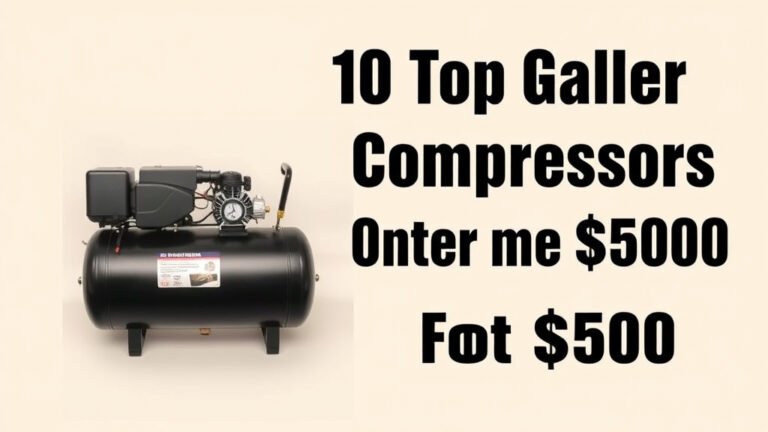
Build Your Own Gas Powered Air Compressor: A Guide
Making your own gas-powered air compressor is totally possible! You’ll need a gas engine, an air compressor pump, a fuel tank, and a frame to hold it all together. This setup lets you bring compressed air to any job site, even without electricity. It’s a DIY project for those who love to build and save money.
Many DIYers choose this route for its portability and power. You can customize it to fit your specific needs, whether for car maintenance or construction projects. Research and found that the main challenge is safely connecting the engine to the pump, often using a belt-driven system. It requires careful planning and basic mechanical skills.
- Build a portable air compressor.
- Combine a gas engine and air pump.
- Requires basic tools and mechanical know-how.
- Great for off-grid or remote jobs.
Let’s walk through the essential parts and steps you’ll need to gather and follow to build your own gas-powered air compressor.
Building Your Own Gas-Powered Air Compressor
Creating a gas-powered air compressor from scratch might sound daunting, but it’s a rewarding DIY project. You’re essentially combining a powerful engine with a compressor pump to generate air on demand, independent of an electrical outlet. This means you can tackle jobs anywhere your vehicle can go. We found that most people undertaking this project are looking for portability and ruggedness.
Essential Components for Your Build
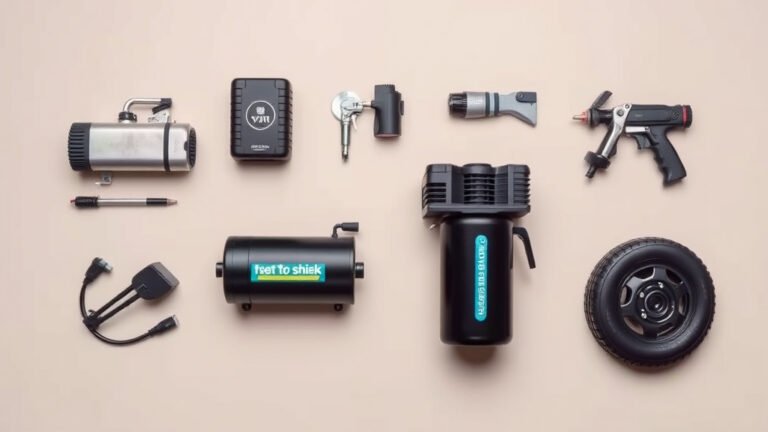
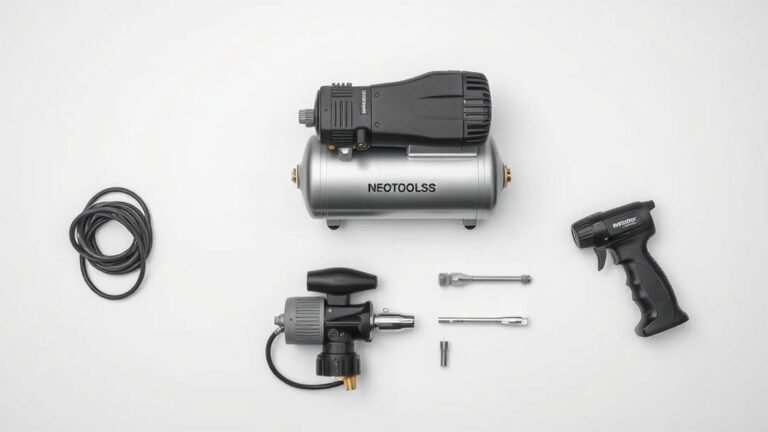
Before you start bolting things together, let’s go over the key parts you’ll need. Think of this as your shopping list for freedom from the power grid. You’ll want to source these parts carefully to ensure compatibility and reliability.
The Heart: Gas Engine
This is what gives your compressor its muscle. You’ll need a gasoline engine. Common choices for DIY projects are small industrial engines, often found on generators or tillers. Look for one with enough horsepower to drive your compressor pump effectively. Typically, a 5 to 10 horsepower engine is a good starting point for a portable unit.
Engine Considerations
When selecting an engine, think about its shaft size and rotation direction. These factors are crucial for connecting it to the compressor pump. Many experts recommend choosing an engine with a recoil starter for easy pull-starts in various conditions. Also, consider fuel tank size; a larger tank means longer run times.
The Lungs: Air Compressor Pump
This is the component that actually compresses the air. You can buy a new compressor pump designed for this purpose or repurpose one from an old electric unit. For a gas-powered setup, you’ll want a high-quality, durable pump. Look for pumps rated for the CFM (Cubic Feet per Minute) output you need for your tools.
Pump Selection Tips
When choosing a pump, consider its duty cycle. This indicates how long the pump can run continuously without overheating. A 50% duty cycle means it can run for 5 minutes out of every 10. For heavy-duty use, aim for a 75% or 100% duty cycle pump. Many resources suggest that a two-stage pump offers better efficiency and cooler operation for higher pressure needs.
Fueling the Beast: Fuel Tank and Lines
Your engine needs fuel, so a dedicated fuel tank is essential. You can buy small, often metal, fuel tanks designed for small engines. Ensure it has a proper vent and a fuel shut-off valve. You’ll also need fuel lines and a filter to connect the tank to the engine.
The Foundation: Frame and Mounting
All these components need a sturdy base. You’ll need to build a robust frame, often from steel tubing or angle iron. This frame will hold the engine and pump securely. Proper mounting is critical to minimize vibration and prevent parts from shifting. Research and found that welding is the most common method for frame construction.
Connecting Power: Drive System
This is where the engine’s power gets transferred to the pump. The most common method is a belt-driven system. You’ll need pulleys for both the engine crankshaft and the pump shaft, along with a suitable V-belt. Proper belt tension is vital for efficient power transfer and to prevent premature wear.
Pulley and Belt Sizing
Getting the pulley sizes right is key to achieving the correct pump speed. The engine manufacturer’s specifications and the pump’s recommended RPM (Revolutions Per Minute) will guide your choices. A general rule of thumb is that the ratio of the pulley diameters determines the speed ratio. We found that using an online calculator can help determine the right pulley combination.
Holding It All In: Air Receiver Tank
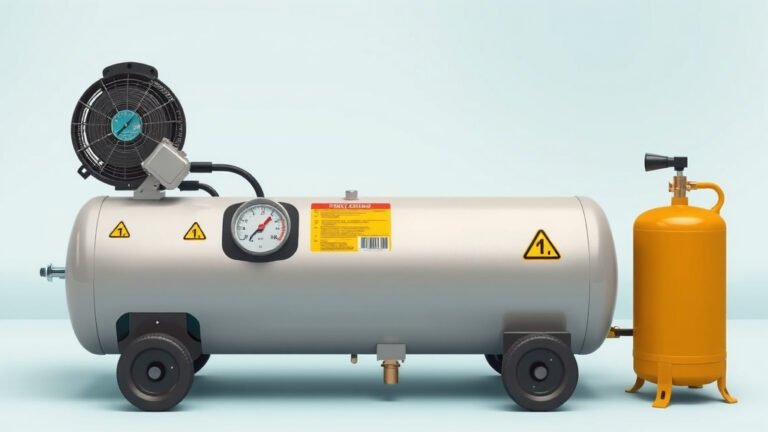
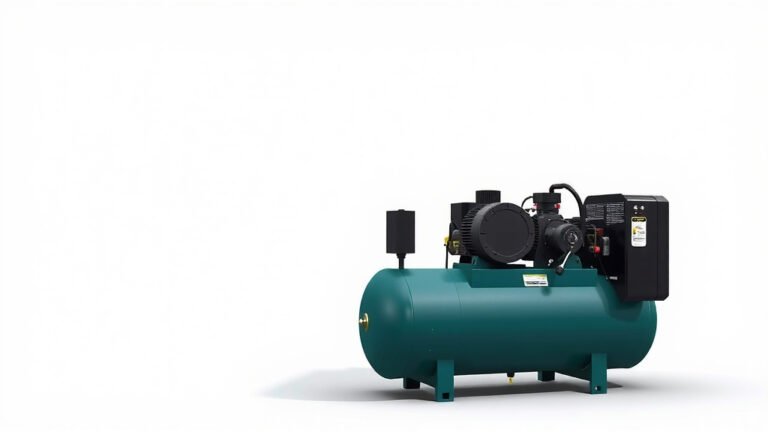
Compressed air needs a place to be stored. You’ll need an air receiver tank. These are specially designed tanks built to safely hold compressed air. They come in various sizes, measured in gallons. A 20-30 gallon tank is a common choice for a portable setup. Ensure the tank is rated for the pressure your pump can generate.
Safety First: Regulator, Gauges, and Valves
Safety cannot be overstated. You’ll need an air regulator to control the output pressure, a pressure gauge to monitor the tank pressure, and a safety relief valve to prevent over-pressurization. A drain valve at the bottom of the receiver tank is also important for releasing moisture.
Essential Safety Components
- Pressure Gauge: To see how much air you have.
- Safety Relief Valve: A must-have for preventing explosions.
- Regulator: To control the air flow to your tools.
- Drain Valve: For removing water buildup.
- Shut-off Valve: To control air flow to an air hose.
Assembling Your Compressor: A Step-by-Step Overview
Once you have all your parts, it’s time to assemble. Start by building and preparing your mounting frame. Securely attach the engine and the compressor pump to the frame, ensuring proper alignment.
Connecting the Drive System
Install the pulleys on the engine and pump shafts. Mount the receiver tank. Now, connect the engine to the pump using the belt and pulley system. Adjust the belt tension so it’s snug but not overly tight.
Plumbing and Wiring
Connect the compressor pump’s intake to a filter. Connect the pump’s outlet to the air receiver tank using appropriate fittings and high-pressure hose or pipe. Install the pressure gauge, regulator, and safety relief valve on the receiver tank. Connect your fuel tank to the engine with fuel lines.
Testing and Fine-Tuning
Before running it under load, perform a dry run. Start the engine and check for any unusual noises or vibrations. Then, let the compressor run to build pressure. Monitor the gauges carefully. Listen for air leaks. Many enthusiasts recommend checking the oil level in both the engine and the pump before the initial startup.
Checklist for a Successful Build
To keep you on track, here’s a quick checklist:
- Gather all necessary components.
- Build and reinforce the mounting frame.
- Mount engine and pump securely and aligned.
- Install pulleys and belt system, checking tension.
- Connect air receiver tank, regulator, and gauges.
- Perform thorough leak checks and initial test run.
Conclusion
You’ve learned that building your own gas-powered air compressor is an achievable DIY goal. By carefully selecting your engine, pump, and other essential components, you can create a portable and powerful air source for any job. Remember to prioritize safety throughout the assembly process. Your custom compressor will give you the freedom to work anywhere, without being tethered to an electrical outlet. Start gathering your parts and bring your vision to life!
Frequently Asked Questions
What size engine do I really need for a DIY gas air compressor?
For most portable DIY setups, a 5 to 10 horsepower engine is a solid starting point. This range generally provides enough power to drive a compressor pump effectively for common tasks. If your projects require higher airflow, you might consider stepping up in horsepower.
Can I reuse a pump from an old electric air compressor?
Yes, you often can repurpose a pump from an old electric unit. However, you’ll need to ensure it’s compatible with the RPM and torque provided by your chosen gas engine. Research the pump’s specifications to confirm it can handle the power and speed you plan to supply.
How important is the belt tension in a belt-driven system?
Belt tension is critically important for efficient power transfer. If the belt is too loose, it can slip, reducing performance and causing premature wear. If it’s too tight, it can strain the engine and pump bearings, leading to damage. Aim for a snug fit without excessive strain.
What are the biggest safety concerns when building this?
The main safety concerns involve managing compressed air and the gasoline engine. Always use a properly rated air receiver tank and install a safety relief valve. Ensure secure mounting of all components to prevent vibration-related failures, and handle fuel safely.
How often should I check the oil in my gas air compressor components?
You should check the oil level in both the engine and the compressor pump before each use. Consult your engine and pump manuals for specific oil type recommendations and changing intervals. Regular checks prevent catastrophic failure due to lack of lubrication.