How Long Should Air Compressor Hold Pressure
An air compressor should generally hold pressure for a significant amount of time, often for days or even weeks, without a noticeable drop. If your air compressor is losing pressure quickly, it likely indicates a leak somewhere in the system. This drop can happen due to issues with the tank, valves, hoses, or fittings.
Understanding how long your air compressor *should* hold pressure is key to diagnosing problems. A properly functioning unit is designed to maintain its stored air efficiently. We found that a rapid loss of pressure is rarely normal and often points to a fixable issue that affects its overall performance.
- A good air compressor holds pressure for days.
- Fast pressure loss usually means there’s a leak.
- Check the tank, valves, hoses, and fittings for leaks.
- Leaks can significantly impact your compressor’s reliability.
- Fixing leaks ensures your compressor works as it should.
Let’s break down what’s considered normal for holding pressure and how to find those pesky leaks if your compressor isn’t keeping up. To understand compressor capabilities, learn about the difference between a 1-gallon vs 2-gallon air compressor.
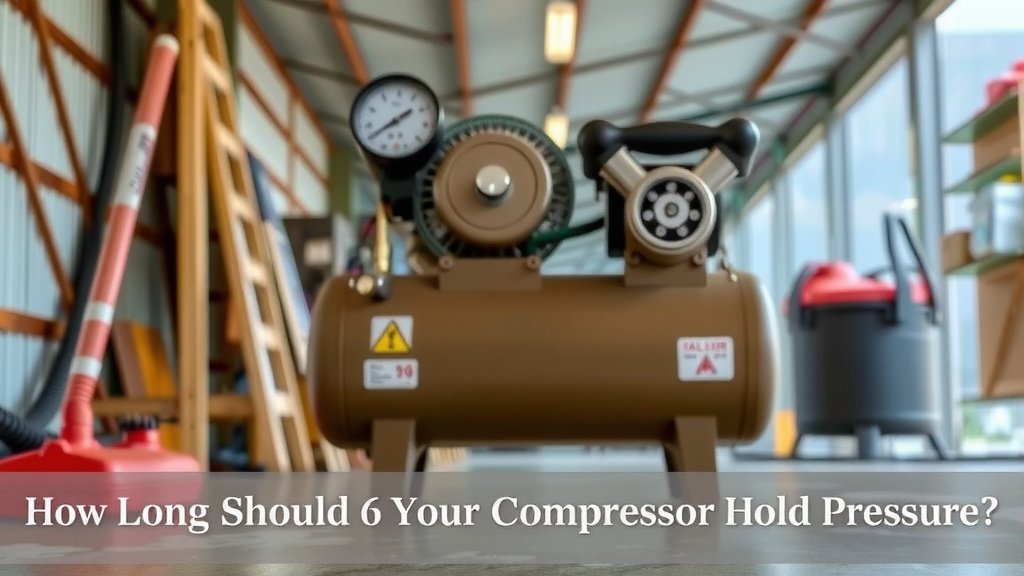
How Long Should Your Air Compressor Hold Pressure?
Generally speaking, a properly functioning air compressor should hold its pressure for a remarkably long time. We’re talking days, weeks, or even longer without a significant drop. Think of it like a sturdy balloon; it should stay inflated for ages if there are no tiny holes.
Understanding Normal Pressure Retention
Your air compressor is designed to store compressed air. This means it should keep that pressure stored up until you decide to use it. A well-sealed system is crucial for this. If you notice pressure dropping quickly, it’s a pretty clear sign something isn’t quite right.
What’s Considered “Normal” Pressure Loss?
A tiny, almost unnoticeable drop over a very long period might be acceptable. We’re talking maybe 1-2 PSI over a week, if that. However, if you see the pressure gauge dropping several PSI in just an hour or two, that’s not normal. This kind of rapid decline points to a leak, and leaks are never a good thing for your compressor’s efficiency or lifespan.
Factors Affecting Pressure Hold Time
Several things can influence how long your compressor holds pressure:
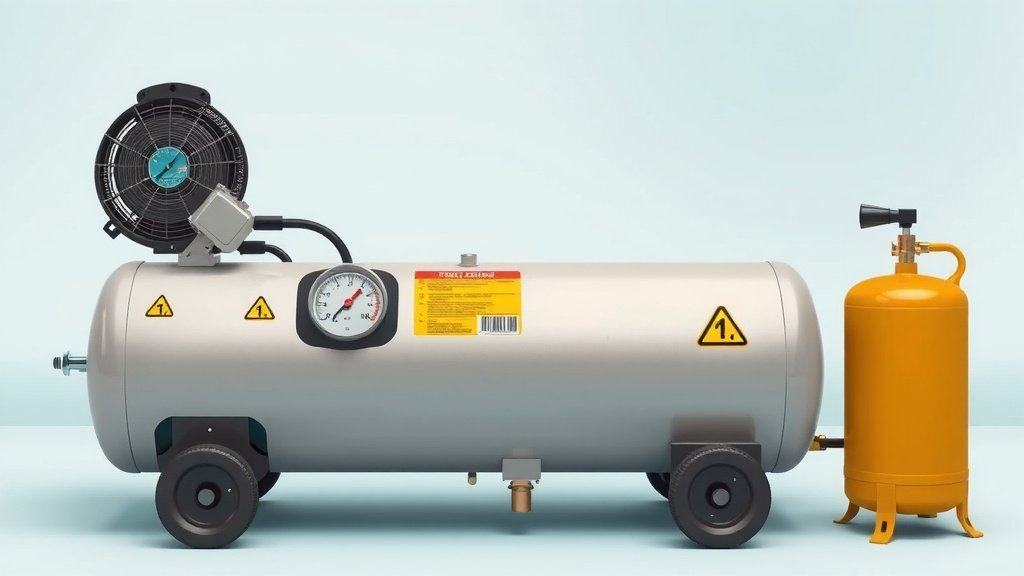
- Tank Integrity: The air receiver tank is the main storage. If it has rust holes or is damaged, air will escape.
- Valve Condition: Valves in the system, like check valves and safety valves, can wear out. A faulty check valve could let air bleed back into the pump or out of the tank.
- Hose and Fitting Quality: Any rubber hoses or metal fittings can develop cracks or loose connections over time.
- Seal Durability: Various seals and O-rings throughout the compressor need to be in good condition to prevent leaks.
Common Culprits Behind Pressure Loss
Let’s get down to brass tacks. When your compressor isn’t holding pressure, it’s usually one of these common issues:
1. The Mighty Leak – Where to Look?
Leaks are the #1 reason for pressure loss. They can happen in several places, and some are easier to find than others. The goal is to systematically check each potential escape route.
The Tank Itself:
Sometimes, older tanks can develop rust and tiny holes. You might not see them, but the air certainly finds them! Look for any signs of corrosion or damage on the tank’s surface. A thorough inspection can often reveal these issues.
Valves Are Vital:
Your compressor has several valves. The drain valve at the bottom of the tank is a common culprit. Make sure it’s fully closed. Sometimes, the check valve, which prevents air from flowing back into the pump, can fail. If it doesn’t seal properly, air can escape back through the pump. Experts say a leaky check valve is a frequent problem (Many experts say this).
Hoses and Connections:
Think of all the places air has to travel. Hoses connect different parts, and fittings secure them. A crack in a hose or a slightly loose fitting can be a big leak source. You’d be surprised how much air can escape through a small gap.
The Safety Valve:
While its job is to release excess pressure, a safety valve that’s slightly stuck open or damaged can cause a slow, steady leak. It’s designed to open only when pressure is too high, but wear and tear can affect its function.
2. Issues with the Pump or Motor
While less common for pressure *holding* issues, problems with the pump itself can sometimes manifest as pressure loss. This is usually more about the pump *not building* pressure initially, but a worn pump might struggle to maintain it efficiently.
3. Condensation Buildup
Air compressors, especially those used frequently, can build up condensation inside the tank. If not drained regularly, this water can contribute to tank corrosion over time, potentially leading to small leaks. It’s good practice to drain your tank daily.
How to Find Those Pesky Leaks
Don’t worry; finding leaks doesn’t require a detective license. We found that a simple method works wonders:
First, ensure your compressor tank is fully pressurized. Then, turn off the compressor. Listen carefully for any hissing sounds. If you can’t hear anything, grab a spray bottle filled with soapy water. Spray this solution generously on all the potential leak points: tank seams, valve connections, hose fittings, and the safety valve. If you see bubbles forming, you’ve found your leak!
A table can help you visualize the common leak points:
| Component | Likely Problem | How to Check |
|---|---|---|
| Tank Valve | Not sealing completely | Listen for hissing, apply soapy water |
| Check Valve | Worn seal, allowing backflow | Listen near pump, soapy water on connection |
| Hoses | Cracks or holes | Visual inspection, soapy water spray |
| Fittings | Loose connections | Soapy water spray, gently tighten |
| Safety Valve | Stuck open or faulty seal | Soapy water spray around valve |
Troubleshooting Checklist for Pressure Retention
Here’s a quick checklist to help you pinpoint why your compressor might be losing pressure:
- Is the tank drain valve fully closed?
- Have you listened for any hissing sounds when the compressor is off and pressurized?
- Have you applied soapy water to all fittings, valves, and hoses?
- Are there any visible cracks or rust spots on the tank?
- Does the check valve sound like it’s leaking air back into the pump?
- Is the safety valve sealed correctly?
If you’ve gone through these steps and are still losing pressure, it might be time for a professional to take a look. But often, these simple checks can save you a lot of headaches and keep your tools running smoothly.
Conclusion
Keeping your air compressor holding pressure is all about maintaining a tight system. We’ve seen that while a healthy compressor can hold air for days or weeks, any rapid drop usually signals a leak. Your next step is to systematically check the tank, valves, hoses, and fittings using the soapy water trick. Addressing these common leak points promptly will ensure your compressor is reliable and ready when you need it, saving you time and frustration on your projects.
Frequently Asked Questions
How quickly should I expect to see a pressure drop in my air compressor?
A properly sealed air compressor should lose very little pressure, perhaps only 1-2 PSI over a week. If you notice the gauge dropping several PSI within an hour or two, it’s a strong indicator of a leak somewhere in the system.
Can condensation in the tank cause it to lose pressure?
While condensation itself doesn’t directly cause air loss, it can contribute to corrosion and rust inside the tank over time. This rust can eventually lead to small holes or compromise seals, resulting in leaks and pressure loss.
Is a slightly leaky drain valve a big deal?
Yes, a drain valve that isn’t fully sealed can be a common source of slow pressure loss. Even a small trickle of air escaping can add up over time, so it’s important to ensure it’s tightly closed after draining.
What’s the best way to check for tiny, hard-to-find leaks?
The soapy water spray method is highly effective for locating small leaks. Pressurize your tank, turn off the compressor, and then spray a solution of soap and water on all connections and components. Bubbles will form where the air is escaping.
If my compressor is old, is losing pressure normal?
Some gradual pressure loss over a very long time might occur with age due to wear on seals and valves. However, rapid or significant pressure drops are typically not normal for any air compressor, regardless of age, and usually point to a specific issue that needs attention.