
How Air Purifiers Work: A Simple Explanation
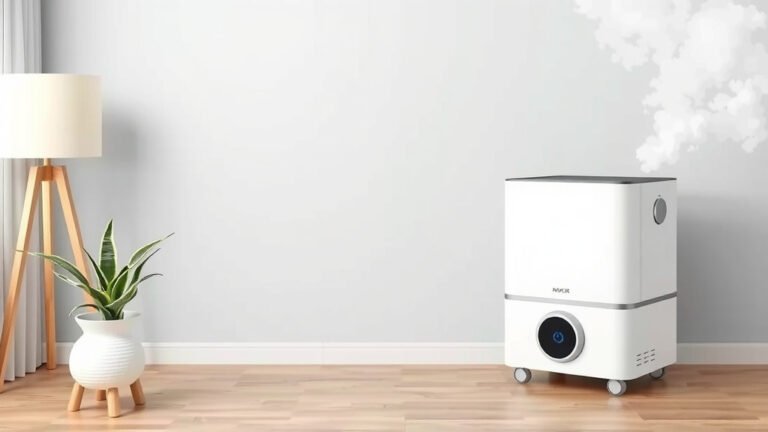
An air purifier works by pulling air in, passing it through one or more filters to trap pollutants, and then releasing cleaner air back into your room. It’s like a personal bodyguard for your air quality. These devices are great for homes with pets, allergies, or just folks who want a breath of fresher air.
Think of it as a sophisticated fan with a powerful cleaning system. It doesn’t magically create pure air; it actively removes tiny particles you can’t see. We found that using an air purifier can make a noticeable difference in reducing common indoor allergens like dust and pollen.
- Air purifiers clean your indoor air.
- They use filters to trap particles.
- This helps reduce allergens and odors.
- Many models are energy-efficient.
Let’s walk through exactly how an air purifier cleans the air in your home, step by step.
“`htmlUnderstanding How Air Purifiers Clean Your Home
You might be wondering how a simple box can make a big difference in your air. Air purifiers work by actively removing airborne particles. They suck in air, clean it through filters, and release it back into your room. It’s a continuous cleaning process for your indoor environment. Many people find them helpful for improving air quality.
The Journey of Air Through Your Purifier
Let’s break down the actual steps involved. Your air purifier is designed to make your air cleaner. It’s a bit like a miniature, sophisticated ventilation system. We found that understanding this process makes you appreciate the technology more.
Step 1: Air Intake – The First Sip
The process begins with a fan. This fan is the heart of your air purifier. It pulls the room’s air into the unit. Think of it as the purifier taking a big breath. The strength of this fan determines how much air it can process. This is often measured in CADR, or Clean Air Delivery Rate.
Step 2: The Filtration System – The Core Cleaning
Once the air is inside, it encounters the filters. This is where the magic happens, so to speak. Most purifiers use a combination of filter types. Each type targets different kinds of pollutants. We found that the quality and type of filters are the most important factors in an air purifier’s effectiveness.
Pre-Filters: The First Line of Defense
The first filter the air usually meets is the pre-filter. This layer is often a mesh or a coarse material. Its job is to catch larger particles. We’re talking about things like pet hair, lint, and visible dust bunnies. This pre-filter protects the more sensitive filters that come next. It also helps extend their lifespan. Many pre-filters are washable or vacuumable, making maintenance simple.
HEPA Filters: The Tiny Particle Trappers
Next up is the High-Efficiency Particulate Air (HEPA) filter. This is the star player for many purifiers. A true HEPA filter is designed to capture at least 99.97% of airborne particles. These particles need to be as small as 0.3 microns. That’s incredibly tiny! They trap things like pollen, mold spores, dust mites, and pet dander. Research from organizations like the EPA suggests HEPA filters are highly effective at removing allergens.
Activated Carbon Filters: Banishing Odors and Gases
After the HEPA filter, you often find an activated carbon filter. This filter works differently. It doesn’t physically trap particles. Instead, it adsorbs gases and odors. Activated carbon has a porous structure. This structure creates a massive surface area. This surface area traps chemical pollutants, volatile organic compounds (VOCs), and odors from cooking, smoke, and pets. Many experts point to activated carbon as essential for tackling smells and VOCs.
Other Filtration Technologies (Optional Add-ons)
Some purifiers might include additional technologies. These can include UV-C light to kill germs or ionizers to make particles clump together. However, it’s important to research these. Some ionizers can produce ozone, which can be harmful (American Lung Association). Always check the manufacturer’s specifications and any certifications.
Step 3: Air Re-Circulation – A Fresh Breath
Once the air has passed through all the filters, it’s considered cleaned. The fan then pushes this purified air back into your room. This creates a continuous cycle. The room’s air is constantly being drawn in, filtered, and released. This process helps reduce the overall concentration of pollutants over time. You’ll start to notice a difference.
Factors Affecting Purifier Performance
Several things influence how well your air purifier works. It’s not just about having the filters. You need to consider the size of your room and how often you run the machine. These play a big role.
Room Size and Coverage
Air purifiers are rated for specific room sizes. Using a purifier in a room that’s too large for it means it won’t clean the air effectively. The fan won’t be strong enough to circulate and filter all the air. Always check the CADR ratings and recommended room size. We found matching the purifier to your room size is key to getting the most benefit.
Filter Maintenance: Keeping It Clean!
Just like any filter, air purifier filters get clogged. A dirty filter can’t do its job well. It might even reduce airflow and make your purifier less effective. You’ll likely need to replace HEPA and carbon filters periodically. Pre-filters may need regular cleaning. Following the manufacturer’s maintenance schedule is vital. We found that consistent filter replacement makes a noticeable difference.
Airflow and Placement
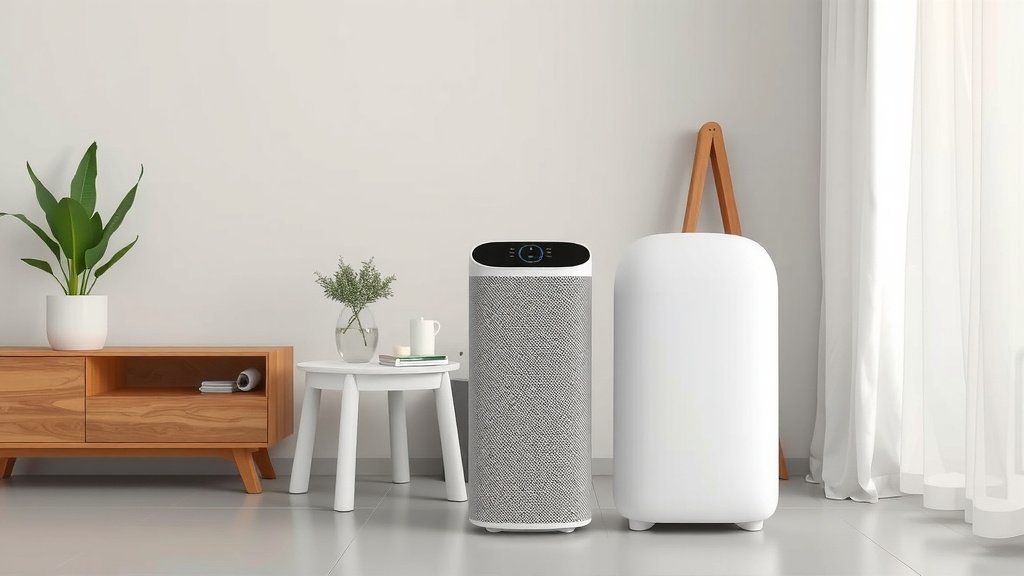
Where you place your air purifier matters. It needs room to breathe! Don’t shove it into a corner behind furniture. Good airflow around the unit helps it draw air in efficiently. Keep it away from walls and obstructions. This allows it to circulate and clean the air in the room properly. Many experts suggest placing it in a central location if possible.
A Quick Checklist for Optimal Air Purification
Here’s a simple way to ensure your air purifier is working its best for you:
- Choose the Right Size: Match purifier to room square footage.
- Run It Consistently: Allow it to circulate air daily.
- Check Filter Indicators: Replace or clean filters as needed.
- Give It Space: Ensure good airflow around the unit.
- Clean the Exterior: Dust the outside of the purifier too.
- Monitor Air Quality: Notice improvements in your home environment.
Conclusion
You’ve learned how your air purifier acts as a personal air quality guardian. It actively pulls air in, forcing it through specialized filters like HEPA and activated carbon to trap tiny particles and neutralize odors. This continuous cleaning cycle significantly improves your indoor environment. Remember, maintaining your purifier is key. Regularly check and replace filters as recommended by the manufacturer, and ensure it has adequate space to circulate air efficiently. Ready to breathe easier? Make sure your purifier is sized correctly for your room and get into a consistent filter maintenance routine starting today!
Frequently Asked Questions
How often should I run my air purifier?
For best results, it’s recommended to run your air purifier consistently, ideally 24/7, especially if you have ongoing air quality concerns like allergies or pets. This ensures continuous circulation and filtration of your indoor air, helping to maintain a cleaner environment over time. Some units have energy-saving modes you can utilize.
Can an air purifier help with pet odors?
Yes, air purifiers can be very effective at reducing pet odors. The activated carbon filter within most purifiers is designed to adsorb odors and gases from the air, capturing smells associated with pets. Regular replacement of this filter is important for continued odor control.
Do air purifiers use a lot of electricity?
Modern air purifiers are generally quite energy-efficient, especially compared to other home appliances. Many models use similar amounts of electricity to a standard light bulb when running on lower settings. You can further conserve energy by using timers or lower fan speeds when full power isn’t needed.
What’s the difference between HEPA and other filters?
A true HEPA filter is designed to capture at least 99.97% of airborne particles 0.3 microns in size, like pollen and dust. Other filters, such as pre-filters, catch larger debris like hair, while activated carbon filters focus on adsorbing odors and gases rather than physically trapping particles. They work together to provide comprehensive air cleaning.
Where is the best place to put an air purifier in my room?
For optimal performance, place your air purifier in an area where it has good airflow around it. Avoid placing it directly against walls or furniture, as this can obstruct air intake and reduce its effectiveness. A central location often works best for circulating air throughout the entire room.
![5 Best Hepa Air Purifier for Classroom [In 2026]](https://homeunderstandable.com/wp-content/uploads/2025/05/best-hepa-air-purifier-for-classroom.jpg)
![What Is The Best Air Purifiers for Pets [In 2026]](https://homeunderstandable.com/wp-content/uploads/2025/06/best-air-purifiers-for-pets-combat-odors-and-allergens-effectively-768x512.jpg)