Home Air Purification: Your Guide to Cleaner Indoor Air
You can purify the air in your home by improving ventilation, using houseplants, and employing air purifiers. Simple actions like opening windows regularly improve airflow. Certain plants are known for their air-cleaning abilities. High-quality air purifiers can filter out tiny particles, making a big difference.
Breathing clean indoor air is more important than many realize. Dust, pet dander, and even everyday cooking can impact your home’s air quality. Focusing on air purification helps create a healthier living environment for everyone. We found that consistent efforts yield the best results.
TL;DR:
- Open windows for fresh air circulation.
- Add air-purifying plants to rooms.
- Consider using an electric air purifier.
- Regularly clean and vacuum your home.
- Minimize indoor sources of pollution.
Let’s walk through the best ways to clean up your home’s air, step by step.
Making Your Home Air Fresher: A Practical Guide
You can improve your home’s air quality with simple yet effective strategies. We’ll guide you through practical steps to help you breathe easier indoors. Many people overlook indoor air pollution, but it impacts your health. Taking action can make a real difference in your living space. Let’s get started on creating a healthier environment for you and your family.
The Power of Ventilation: Letting Fresh Air In
Did you know that outdoor air can often be cleaner than indoor air? This might sound surprising, but many common household items release pollutants. That’s why **ventilation** is so important. It’s like giving your home a good, deep breath of fresh air.
Opening Windows: Your First Line of Defense
The simplest way to ventilate is to open your windows. Even a few minutes each day can help. Try opening windows on opposite sides of your home. This creates cross-ventilation, allowing stale air to escape and fresh air to enter. Many experts recommend this as a **primary strategy** (Environmental Protection Agency).
When should you open them? Mornings are often a good time. The air tends to be cooler and cleaner. Avoid opening windows during peak traffic hours. Outdoor pollution levels can be higher then. If you have allergies, be mindful of pollen counts too.
Using Fans for Air Circulation
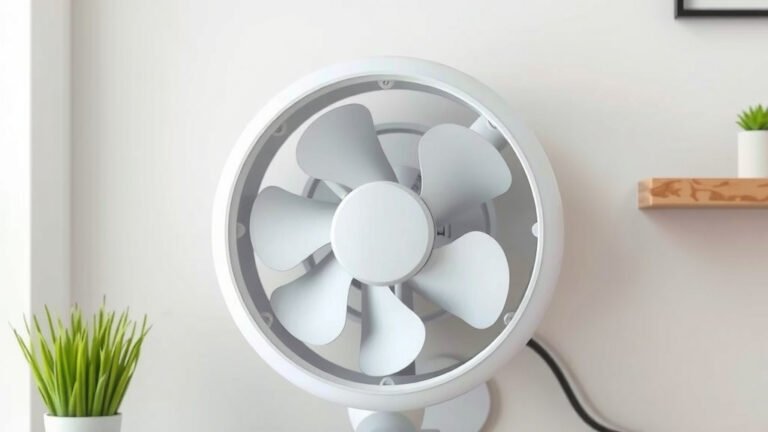
Fans are great helpers. They don’t filter air, but they move it around. A ceiling fan can help mix the air. You can also use portable fans. Place a fan in a window facing outward. This can help pull stale air from your home. Doing this regularly can **prevent air from becoming stagnant**. It’s an easy way to improve airflow without much effort.
Harnessing Nature: The Benefits of Houseplants
Plants are more than just pretty decorations. They can actively contribute to cleaner air. Certain plants have a natural ability to filter out common indoor pollutants. It’s like having tiny, green air purifiers working for you! We found that incorporating a few key plants can have a noticeable effect.
Which Plants Clean the Air Best?
Research has identified several common houseplants that are particularly good at air purification. The Peace Lily is a popular choice. It can help remove toxins like formaldehyde and benzene. The Snake Plant, also known as Mother-in-Law’s Tongue, is another excellent option. It’s also very low-maintenance, which is a bonus!
Spider Plants are also highly effective. They are known for their ability to remove formaldehyde and xylene. They are also very forgiving if you forget to water them occasionally. Even simple plants like the Areca Palm can contribute to better air quality. They release a good amount of moisture into the air, which can help reduce dryness.
Caring for Your Air-Purifying Plants
To get the most benefit, keep your plants healthy. This means giving them the right amount of light and water. Overwatering can lead to mold growth in the soil. Mold releases spores into the air, which can be harmful. Make sure your pots have good drainage. This helps prevent excess moisture buildup. Healthy plants are **happy plants**, and happy plants work harder to clean your air.
The Role of Air Purifiers: Filtering the Air You Breathe
For a more direct approach to air purification, consider an electric air purifier. These devices are designed to capture airborne particles. They can be very effective at removing dust, pollen, pet dander, and even smoke. Many people find them especially helpful during allergy season.
Understanding Different Types of Purifiers
There are several types of air purifiers available. HEPA (High-Efficiency Particulate Air) filters are the gold standard. They are designed to capture at least 99.97% of particles 0.3 microns in size. This includes many common allergens and pollutants. Many guidelines recommend HEPA filters for effective air cleaning (American Lung Association).
Other types include activated carbon filters. These are great for removing odors and gases. Some purifiers use ionizers or UV light. It’s important to research these technologies. Some ionizers can produce ozone, which can be an irritant. Always look for models that are certified for **low ozone production**.
Choosing the Right Size and Features
When selecting an air purifier, size matters. You need a unit that is appropriate for the room size. Most purifiers have a CADR (Clean Air Delivery Rate) rating. This indicates how quickly they can clean the air in a specific area. Check the manufacturer’s recommendations for room coverage.
Consider features like multiple fan speeds. A quiet mode is nice for bedrooms. A filter replacement indicator is also helpful. This ensures you keep the purifier running at peak performance. Replacing filters on time is **essential for ongoing effectiveness**. A well-chosen air purifier can significantly improve your indoor air quality.
Maintaining a Clean Home Environment
Beyond specific purification methods, a clean home is a foundation for clean air. Regular cleaning habits help reduce the sources of indoor pollutants. It’s a continuous effort, but the rewards are substantial.
The Importance of Regular Cleaning and Vacuuming
Dust settles everywhere. Pet dander, skin cells, and fabric fibers all contribute to household dust. Vacuuming regularly with a HEPA-filter vacuum is highly recommended. This traps dust and allergens instead of just redistributing them. Aim to vacuum carpets and upholstery at least once or twice a week.
Wiping down surfaces also makes a difference. Use a damp cloth to capture dust. This prevents it from becoming airborne again. Pay attention to areas where dust collects, like shelves and electronics. Regular cleaning also helps prevent mold growth, especially in bathrooms and kitchens.
Minimizing Indoor Pollution Sources
Think about what you bring into your home. Strong fragrances from air fresheners can release chemicals. Opt for natural alternatives like essential oil diffusers (used sparingly). Smoking indoors is a major source of air pollution. If you smoke, do so outside. Cooking, especially frying, can release particles. Using your kitchen vent hood is a **smart way to capture fumes**. Minimizing these sources makes your purification efforts more effective.
A Quick Air Quality Checklist
Here’s a simple checklist to help you maintain cleaner air:
- Open windows daily for at least 15 minutes.
- Add 1-2 air-purifying plants to your main living areas.
- Vacuum carpets and upholstery twice a week.
- Use your kitchen vent hood when cooking.
- Choose natural cleaning products when possible.
- Consider an air purifier for bedrooms or main living spaces.
By implementing these strategies, you can create a noticeably fresher and healthier indoor environment. It’s about making small, consistent changes that add up to a big impact on your well-being.
Conclusion
You’ve learned that creating cleaner indoor air is achievable with simple, consistent actions. By focusing on ventilation, incorporating houseplants, and considering an air purifier, you can significantly improve your home’s atmosphere. Regular cleaning and minimizing pollution sources are also key. Start by opening your windows for just 15 minutes each day. This small step can begin a journey towards a healthier, fresher living space for you and your family.
Frequently Asked Questions
How often should I open my windows to improve air quality?
Aim to open your windows for at least 15 minutes daily. Mornings are often best for cleaner air circulation. This simple habit helps to **reduce indoor pollutant buildup**.
Are houseplants really effective at purifying air?
Yes, certain houseplants can help filter common indoor toxins. Plants like the Peace Lily and Snake Plant are known for their air-cleaning abilities. They act as a natural, passive method for improving your air.
What’s the most important feature to look for in an air purifier?
Look for a unit with a HEPA filter. These filters are highly effective at capturing tiny particles like dust, pollen, and dander. Ensure the purifier is sized correctly for the room you intend to use it in.
Can I use air fresheners if I’m trying to purify my home’s air?
It’s best to minimize the use of synthetic air fresheners. Many release chemicals that can negatively impact air quality. Consider natural alternatives like essential oil diffusers used sparingly, or simply opening windows for fresh air.
How does regular vacuuming contribute to cleaner indoor air?
Vacuuming, especially with a HEPA-filter vacuum, removes dust, pet dander, and other allergens from surfaces. This prevents them from becoming airborne again. Aim to vacuum carpets and upholstery at least once or twice a week.