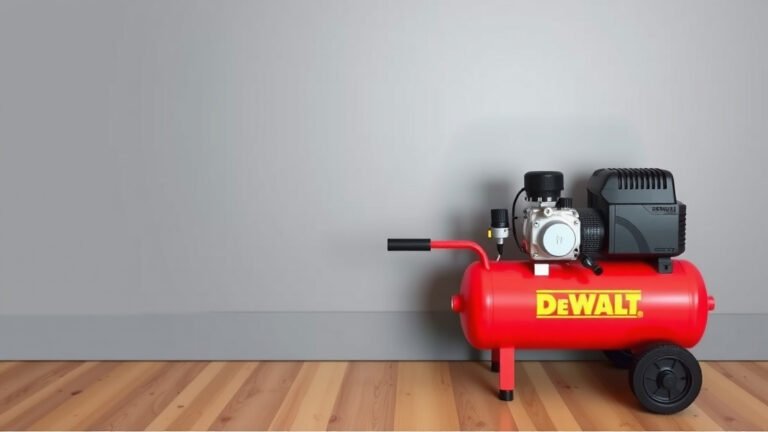
How to Service Your Air Compressor: A Step-by-Step Guide
Servicing your air compressor regularly is essential for peak performance and a longer lifespan. You can perform basic maintenance like checking oil levels, draining moisture, and cleaning filters yourself. This process helps prevent costly repairs and ensures your compressor runs efficiently for all your projects.
Keeping your air compressor in good shape means it will be ready when you need it. Many common issues can be avoided with a simple routine. Experts agree that consistent upkeep extends the compressor’s operational life. It’s a smart way to protect your investment and avoid unexpected downtime.
- Drain moisture daily.
- Check and change the oil.
- Clean or replace air filters.
- Inspect belts and hoses.
- Listen for unusual noises.
Ready to get your hands dirty (but not too dirty)? Below, we’ll walk you through the simple steps to service your air compressor, making it easier than you think.
Keeping Your Air Compressor Well-Maintained
Regular servicing keeps your air compressor running smoothly. It prevents costly repairs and ensures you have air when you need it. Think of it like changing the oil in your car. Small steps now save big headaches later.
Essential Air Compressor Maintenance Steps
You can tackle most air compressor maintenance yourself. These tasks are straightforward and don’t require special tools. We’ll guide you through each one.
1. Draining Moisture from the Tank
Water can build up inside your air compressor tank. This moisture can cause rust and damage components. You should drain this water daily or after each use. Look for a drain valve at the bottom of the tank. Open it slowly to let the air and water escape. Be careful, as some air might come out too. Close the valve when the hissing stops. This simple step is vital for longevity.
2. Checking and Changing the Oil
Most air compressors need oil to lubricate moving parts. Low oil levels can lead to overheating and component failure. Always check your owner’s manual for the correct oil type and level. Most dipsticks are easy to find and read. If the oil looks dirty or dark, it’s time for a change. This usually involves draining the old oil and refilling with fresh oil.
How to Change the Oil
First, let the compressor run for a few minutes to warm the oil. This makes it flow out easier. Place a drain pan underneath the oil drain plug. Remove the plug and let all the old oil drain out. Wipe the plug clean and screw it back in. Then, locate the oil fill cap and add the recommended amount of new oil. Don’t overfill it. This task protects your compressor’s internal parts.
3. Cleaning or Replacing Air Filters
Your air compressor sucks in air from its surroundings. The air filter prevents dust, dirt, and debris from entering the compressor. A clogged filter makes the compressor work harder. This reduces efficiency and can damage the motor. Check your filter regularly. Most filters can be cleaned with compressed air or a brush.
When to Replace Filters
If a filter is damaged or too dirty to clean, replace it. Always use the correct filter for your model. Your owner’s manual will have this information. Replacing filters is a quick and easy fix for many performance issues. Think of it like giving your compressor clean air to breathe.
4. Inspecting Belts and Hoses
Belts connect the motor to the compressor pump. Hoses carry the compressed air. Check these parts for cracks, wear, or damage. A frayed belt can snap, stopping your compressor dead. Leaking hoses mean lost air pressure, making your compressor run longer than it should. If you see any damage, replace the part immediately. Safety first!
5. Listening for Unusual Noises
Your ears can tell you a lot about your compressor’s health. Strange noises often signal a problem. Listen for grinding, squealing, or knocking sounds. These could indicate worn bearings, loose parts, or motor issues. If you hear something unusual, stop the compressor and investigate. Early detection can prevent a major breakdown.
6. Checking Pressure Settings and Safety Valve
Ensure your compressor’s pressure settings are correct. Over-pressurizing can be dangerous. The safety relief valve is a critical component. It releases excess pressure if the system malfunctions. Test it periodically by gently pulling the ring. It should release air and then reseal. If it doesn’t work correctly, it needs replacement. This is a safety-critical check.
Quick Maintenance Checklist
Here’s a handy list to keep your compressor in top shape:
- Drain tank moisture daily.
- Check oil level before each use.
- Clean or replace air filter monthly.
- Inspect belts and hoses for wear.
- Listen for strange noises during operation.
- Test safety valve every few months.
Understanding Maintenance Schedules
Different compressors and usage levels require different maintenance frequencies. A compressor used daily for professional work will need more frequent checks than one used occasionally for DIY projects. Many manufacturers provide detailed maintenance schedules in their manuals. For instance, daily draining is a common recommendation (Campbell Hausfeld). Checking oil levels before every use is also standard practice. Filters often need cleaning every 500 hours of operation or yearly, whichever comes first (Ingersoll Rand). Some experts suggest a more frequent visual inspection of all components, perhaps weekly, if the compressor is in heavy use.
A general guideline we found is to perform these tasks based on usage:
| Task | Light Use (Weekly/Monthly) | Heavy Use (Daily/Weekly) |
|---|---|---|
| Drain Tank Moisture | After Each Use | After Each Use |
| Check Oil Level | Before Each Use | Before Each Use |
| Clean/Replace Air Filter | Monthly | Bi-Weekly or As Needed |
| Inspect Belts & Hoses | Monthly | Weekly |
| Listen for Noises | During Operation | During Operation |
| Change Oil | Annually | Semi-Annually |
Remember, these are general guidelines. Always refer to your specific owner’s manual for the most accurate information. Proper upkeep ensures your air compressor is always ready for your next project.
Conclusion
You’ve learned that keeping your air compressor in top condition is straightforward. Simple, regular tasks like draining moisture, checking oil, and cleaning filters make a big difference. These habits prevent breakdowns and ensure your compressor is always ready for action. Don’t put off maintenance; it’s an investment in your tool’s performance and your projects. Take a moment today to review your compressor’s needs and schedule your next service. Your air compressor will thank you with reliable air flow.
Frequently Asked Questions
How often should I change the oil in my air compressor?
The frequency for changing your air compressor oil depends on its usage. For light use, an annual oil change is often sufficient. If you use your compressor frequently or for heavy-duty tasks, consider changing the oil every six months. Always consult your owner’s manual for the manufacturer’s specific recommendation.
Can I use any type of oil in my air compressor?
No, you should not use just any oil. Air compressors require specific types of lubricant designed for their operating temperatures and pressures. Using the wrong oil can lead to damage or reduced performance. Refer to your air compressor’s manual to find the exact type and viscosity of oil recommended by the manufacturer.
What happens if I don’t drain the moisture from my air compressor tank?
Not draining moisture from your air compressor tank can lead to serious problems. Water buildup can cause rust and corrosion inside the tank, weakening it over time. This moisture can also get into your air lines and tools, potentially damaging them. It’s a simple step that greatly extends your compressor’s life.
How do I know if my air filter needs cleaning or replacing?
You’ll notice a decrease in performance and the compressor working harder if the air filter is clogged. Visually inspect the filter; if it looks excessively dirty, dusty, or damaged, it’s time for maintenance. Most filters can be cleaned with compressed air, but if they are worn or cannot be fully cleaned, replacement is necessary.
Is it safe to test the safety valve on my air compressor?
Yes, it is safe and recommended to test your air compressor’s safety valve periodically. This valve is a critical safety feature designed to release excess pressure. Gently pull the ring or lever on the valve while the compressor is running and pressurized. It should hiss and release air before resealing properly. If it malfunctions, replace it immediately.