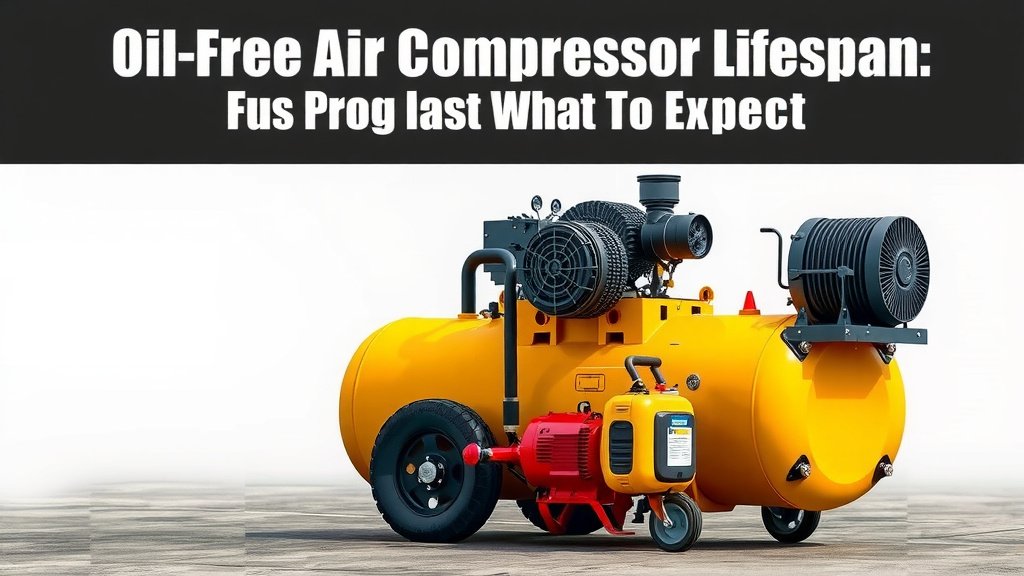
Oil-Free Air Compressor Lifespan: What to Expect
Generally, oil-free air compressors can last anywhere from 5 to 10 years. The actual lifespan depends heavily on how well you maintain them and how often you use them. We found that proper care can significantly extend their operational life.
While they don’t require oil changes, these compressors still need regular attention. Things like keeping the filters clean and ensuring proper airflow are key. Many users report getting more years out of their units when they focus on preventative maintenance and avoid overloading the system.
- Oil-free compressors typically last 5-10 years.
- Maintenance is key to a longer lifespan.
- Clean filters and good airflow matter a lot.
- Avoid running the compressor too hard.
- Proper use can extend your unit’s life.
Let’s break down what factors really impact how long your oil-free air compressor will serve you faithfully.
Understanding the Lifespan of Your Oil-Free Air Compressor
So, you’re wondering, “How long can I expect my oil-free air compressor to keep chugging along?” It’s a fair question, and one that many users ask. While there’s no single magic number, research and user reports consistently point to a general range.
The Expected Lifespan: A General Overview
Generally, an oil-free air compressor is designed to last between 5 to 10 years. This isn’t a hard and fast rule, mind you. It’s more of a guideline based on typical usage and maintenance patterns. Think of it like a car – some drivers get hundreds of thousands of miles, while others barely reach six figures. Your habits matter!
Factors That Directly Impact Longevity
Several elements play a significant role in determining whether your compressor leans towards the shorter or longer end of that 5-10 year spectrum. Let’s dive into what really makes a difference.
Usage Frequency and Intensity
How often do you fire up your compressor? And what kind of jobs are you throwing at it? A unit used for occasional DIY projects will likely last longer than one running daily for commercial applications. Overworking your compressor is like asking a marathon runner to sprint a 100-meter dash every hour – it’s going to wear down faster.
Environmental Conditions
Where your compressor lives matters. Is it in a clean, dry garage, or a dusty workshop? High humidity and excessive dust are the arch-nemeses of air compressors. Dust can clog filters and air intakes, forcing the motor to work harder. Humidity can lead to internal condensation and corrosion, which is never good.
The Crucial Role of Maintenance: Your Compressor’s Best Friend
This is where you have the most control. Even though it’s “oil-free,” this doesn’t mean “maintenance-free.” Neglecting basic upkeep is the fastest way to shorten your compressor’s life. Many experts agree that consistent, simple maintenance can add years to its lifespan.
Regular Filter Cleaning and Replacement
Your air intake filter is like the lungs of your compressor. If it gets clogged with dust and debris, the unit struggles to breathe. We found that cleaning or replacing these filters every few months, or more often if you’re in a dusty environment, is a critical step. A clean filter means less strain on the motor and quieter operation.
Checking and Draining the Tank
Moisture is the enemy! Every time your compressor runs, it pulls in air, and that air contains water vapor. This vapor condenses in the tank. If left unchecked, this moisture can cause rust and damage the tank over time. Most oil-free compressors have a drain valve at the bottom. We found that draining the tank after each use, or at least weekly, is a simple habit that pays big dividends.
Ensuring Proper Airflow and Ventilation
Compressors generate heat. They need room to breathe! Make sure your unit isn’t crammed into a tight space. Good ventilation allows heat to dissipate, preventing overheating. Overheating is a major cause of component failure. Think of it like giving your compressor space to stay cool and comfortable.
Common Issues and How They Affect Lifespan
Sometimes, things go wrong. Understanding these common problems can help you identify them early and prevent further damage.
Overheating
We touched on this with ventilation, but it bears repeating. If your compressor feels excessively hot to the touch, or if it’s shutting off frequently due to thermal overload, it’s a sign of trouble. This could be due to poor ventilation, a dirty motor, or a failing fan. Continuous overheating can lead to permanent damage to the motor windings.
Leaks and Pressure Loss
Air leaks are not only wasteful but can also cause the compressor to cycle on and off more frequently than it should. This constant cycling puts extra wear on the motor and the pressure switch. We found that regularly inspecting hoses, fittings, and the tank for leaks can prevent unnecessary strain. Sometimes a simple tightening of a connection is all it takes.
When to Consider Replacement
Despite your best efforts, all machines have a finite lifespan. If you start noticing:
- A significant decrease in air output.
- Excessive noise or vibrations.
- Frequent overheating or thermal cut-offs.
- Costly repairs becoming common.
Then it might be time to start thinking about a replacement. We found that for older units, the cost of frequent repairs can quickly add up, often exceeding the price of a new, more efficient model.
A Quick Maintenance Checklist for Longevity
To help you keep your oil-free compressor running smoothly for as long as possible, here’s a quick checklist:
- Clean or replace air intake filters monthly, or more often in dusty areas.
- Drain the air tank after every use, or at least weekly, to remove moisture.
- Ensure the compressor has adequate ventilation and isn’t overheating.
- Periodically check for and tighten any air leaks in hoses and fittings.
- Listen for any unusual noises or vibrations that might indicate a problem.
- Give the unit a visual inspection for any signs of damage or wear.
Conclusion
So, you’ve learned that your oil-free air compressor’s lifespan isn’t set in stone. While a typical range is 5 to 10 years, your commitment to maintenance is the real game-changer. By regularly cleaning filters, draining the tank, and ensuring good airflow, you actively extend its useful life. Don’t let your compressor suffer from neglect. Make a habit of these simple checks to ensure it keeps performing reliably for years to come. Your best next step? Grab your compressor’s manual and schedule that filter cleaning and tank drain!
Frequently Asked Questions
Will using my oil-free air compressor for a hobby business shorten its life?
Yes, more frequent and intense use, like for a hobby business, will likely shorten its lifespan compared to occasional home use. We found that commercial or extended daily use puts more wear and tear on the motor and components. Consider a more robust model or being extra diligent with maintenance if usage is high.
How often should I really be cleaning or replacing the air filters?
We suggest cleaning or replacing air intake filters every few months as a general rule. If you work in a dusty environment, you’ll need to do this much more often. Research shows clogged filters make your compressor work harder and can lead to premature wear.
Is it okay if my oil-free compressor gets warm during use?
It’s normal for your compressor to get warm, but it shouldn’t feel excessively hot to the touch. Overheating, often caused by poor ventilation or a dirty motor, can significantly reduce its lifespan. Always ensure your unit has plenty of space to breathe and dissipate heat.
Can I store my oil-free air compressor outdoors?
Storing your oil-free air compressor outdoors is generally not recommended. Exposure to extreme temperatures, humidity, and dust can damage internal components and accelerate wear. Keeping it in a clean, dry indoor environment, like a garage or workshop, will help preserve its operational life.
What are the first signs that my oil-free compressor might be nearing the end of its life?
Watch for a noticeable drop in air pressure or output, increased noise or vibrations, and more frequent thermal cut-offs. If you find yourself needing repairs more often, it’s a strong indicator that replacement might be on the horizon. We found these are common indicators before a unit fails completely.