Sizing Air Compressor for Dry Sprinkler System Made Easy
Properly sizing an air compressor for your dry sprinkler system is essential for **reliable operation** and **preventing damage**. You’ll want to focus on the **required air pressure** and the **volume of air** needed to discharge the system effectively. This ensures your system works when you need it most.
Getting this right means your system will be ready for fire prevention. An undersized compressor might struggle, while an oversized one could be **wasteful and potentially harm components**. Many experts recommend calculating based on the system’s **total volume and the desired pressure drop time**.
- Understand your system’s air needs.
- Calculate required CFM and PSI.
- Consider the pipe volume.
- Factor in the allowable discharge time.
- Choose a compressor that meets these demands.
Let’s walk through exactly how to determine the right air compressor size for your dry sprinkler system, step by step.
Choosing the Right Air Compressor Size for Your Dry Sprinkler System
Selecting the correct air compressor for your dry sprinkler system is a critical decision. You need to ensure it can maintain the necessary pressure and quickly supply air when needed. Getting this wrong can lead to system failures or premature wear and tear on your equipment.
Let’s break down how to calculate your system’s demands. This process focuses on two main factors: the required air pressure (PSI) and the volume of air needed (CFM). These two numbers are your roadmap to the right compressor.
Understanding Air Pressure (PSI) Requirements
Your dry sprinkler system is designed to operate within a specific pressure range. This pressure is what keeps the pipes full of air, ready to activate the system. Too low a pressure, and the system won’t be ready. Too high, and you risk damage.
Most dry pipe systems require a holding pressure typically between 15 to 30 PSI. However, the exact requirement will be specified by the system designer or manufacturer. Always consult your system’s design documents or a qualified fire protection engineer.
The compressor needs to be able to reach and maintain this set pressure reliably. It’s not just about reaching it once; it’s about holding it steady. Fluctuations can be problematic.
Calculating Air Volume (CFM) Needs
This is where things get a bit more detailed. The volume of air, measured in Cubic Feet per Minute (CFM), is about how much air the compressor can deliver. For a dry sprinkler system, the key consideration is how quickly you need the air pressure to drop when a sprinkler head activates. The volume of air, measured in Cubic Feet per Minute (CFM), is about how much air the compressor can deliver; understand how compressor power impacts this.
Why does speed matter? When a sprinkler head opens due to a fire, the air pressure in the pipes drops rapidly. This drop in pressure is what signals the dry pipe valve to open, allowing water to flow to the activated sprinkler head. If the compressor can’t keep up, the valve might not open quickly enough, delaying the water delivery.
The Role of Pipe Volume
The total volume of your dry pipe system’s piping is a major factor in CFM calculation. Think of it like a balloon. A small balloon needs less air to fill than a large one. Similarly, a system with more pipe volume will require more air to maintain pressure and to drop pressure rapidly.
You’ll need to know the total cubic footage of your dry pipe network. This information is usually available from your system’s original design plans. If you don’t have them, a professional can help measure or estimate this volume. We found that accurately measuring pipe volume is a **cornerstone** of correct sizing.
Allowable Discharge Time
Fire codes and system standards often specify how quickly the air pressure must drop once a sprinkler head activates. This is known as the allowable discharge time. For example, a standard might require the pressure to drop to a level that activates the valve within a certain number of seconds.
We found that common standards often set this time frame between 30 to 60 seconds. This means your compressor needs to be able to supply enough air to meet this rapid pressure change requirement. It’s a balancing act between holding pressure and responding to a demand.
The CFM Calculation Formula You Can Use
While professional engineers have sophisticated software, a basic understanding can be achieved with a formula. Many experts use a calculation that looks something like this:
CFM = (Pipe Volume in Cubic Feet) x (Pressure Drop Factor) / (Allowable Discharge Time in Seconds)
The “Pressure Drop Factor” is a value derived from the difference between your system’s holding pressure and the pressure required to trip the dry pipe valve. This factor is usually determined by the specific dry pipe valve model used. We recommend consulting your valve’s manufacturer specifications for this.
For example, if your system has 1,000 cubic feet of pipe volume, requires a pressure drop factor of 1.5, and has an allowable discharge time of 45 seconds, the calculation would be: (1000 x 1.5) / 45 = 33.3 CFM. This gives you a baseline requirement.
Adding a Safety Margin is Smart
It’s always wise to add a buffer to your calculated CFM. Think of it as having a little extra muscle. We found that adding a **10-25% safety margin** is a common recommendation among fire protection professionals. This accounts for potential leaks, variations in temperature, and ensures the compressor isn’t constantly running at its absolute limit.
A compressor that’s too close to its maximum capacity might struggle during extreme conditions or have a shorter lifespan. A bit of extra capacity ensures **reliable performance** over time.
Factors Beyond Basic Calculation
While pipe volume and discharge time are primary, other elements influence your choice. Consider the environment where the compressor will operate. Extreme temperatures can affect compressor performance. Humidity is also a factor, as excess moisture can lead to issues down the line.
Location matters. Will the compressor be indoors or outdoors? Does it need to be particularly quiet? These practical considerations can guide your selection of compressor type and model.
Types of Compressors to Consider
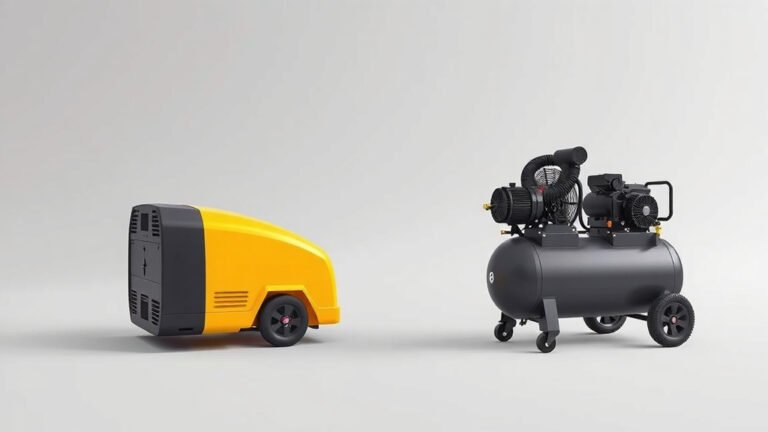
For dry pipe sprinkler systems, you’ll typically look at two main types of compressors: rotary screw and reciprocating (piston) compressors. Each has its pros and cons.
| Type | Pros | Cons |
|---|---|---|
| Rotary Screw | Generally more efficient for continuous operation. Often quieter. Good for larger systems. | Higher initial cost. Can be more complex to maintain. |
| Reciprocating (Piston) | Lower initial cost. Simpler design and easier maintenance. Widely available. | Can be noisier. Less efficient for continuous, heavy-duty use. May require more frequent service. |
Many experts suggest rotary screw compressors for their **efficiency and reliability** in demanding applications like fire protection. However, a properly sized reciprocating compressor can also be a good fit for smaller systems. Many experts suggest rotary screw compressors for their efficiency and reliability in demanding applications like fire protection, which is directly tied to motor performance.
Checklist for Sizing Your Compressor
To help you keep track, here’s a quick checklist:
- Confirm the required holding pressure (PSI) from system design.
- Calculate the total cubic feet of your dry pipe system.
- Determine the allowable air discharge time from fire codes or standards.
- Calculate the baseline CFM needed.
- Add a 10-25% safety margin for your final CFM requirement.
- Consider environmental factors and compressor type.
By following these steps, you can confidently determine the right air compressor size. This ensures your dry sprinkler system is always ready to protect what matters most.
Conclusion
You’ve learned that correctly sizing an air compressor for your dry sprinkler system hinges on understanding its unique needs. We found that focusing on required pressure (PSI) and air volume (CFM) is key. Calculating based on pipe volume and allowable discharge time gives you a solid baseline. Always remember to add a safety margin for reliable performance and longevity. Taking these steps ensures your system is always ready to protect what matters most. Your next step is to gather your system’s specific data and perform these calculations, or consult a fire protection professional.
Frequently Asked Questions
What happens if my air compressor is too small for my dry sprinkler system?
If your compressor is too small, it may struggle to maintain the required holding pressure. This could lead to slow response times when a sprinkler head activates, delaying water delivery. It might also cause the compressor to run constantly at its maximum capacity, reducing its lifespan.
How often do I need to check my air compressor’s performance?
Regular checks are recommended, typically monthly, to ensure the compressor is maintaining the correct pressure and operating efficiently. A professional inspection by a qualified fire protection technician should also be scheduled annually to catch any potential issues early.
Can I use a standard air compressor from a hardware store for my sprinkler system?
While some smaller systems might technically function, it’s generally not recommended. Fire protection systems have specific reliability and performance standards. A compressor designed for industrial or fire protection use will better meet these stringent requirements and ensure dependable operation.
Does the environment where the compressor is located affect its sizing?
Yes, environmental factors like extreme heat, cold, or high humidity can impact compressor performance. You may need to oversize the compressor slightly or ensure it has specific environmental controls if it’s operating in harsh conditions. This helps maintain optimal function.
What is the difference between CFM and PSI in relation to my compressor needs?
PSI, or Pounds per Square Inch, refers to the **pressure** the compressor can deliver and maintain. CFM, or Cubic Feet per Minute, measures the **volume** of air the compressor can supply. Your dry sprinkler system needs both adequate pressure to stay primed and sufficient volume to activate quickly when needed.