How Much Power Does an Air Compressor Use?
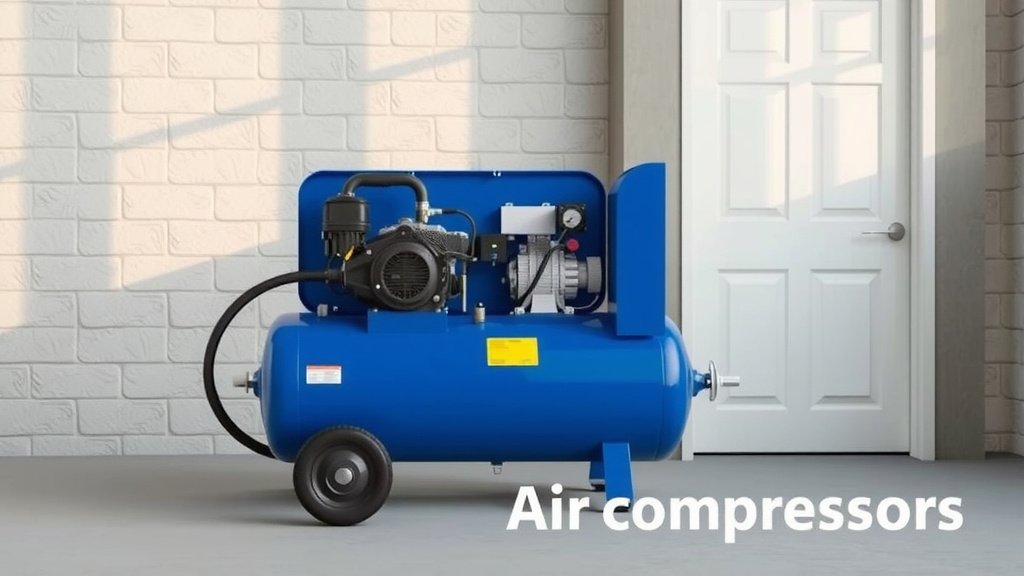
How much power does an air compressor use? It really depends on the compressor size and how you use it. Most home-use compressors, like the ones for inflating tires or powering small tools, typically use between 1 to 2 horsepower. Larger, industrial models can demand much more power, easily reaching 5 horsepower or even higher.
Understanding your compressor’s power usage is key to managing your electricity bills. The runtime and the tank size also play a big role. A bigger tank means the compressor runs less often, but it uses more power when it does kick on. We found that matching the compressor to your specific tasks prevents unnecessary power drain. A larger tank size influences how often the compressor runs.
- Air compressor power varies greatly by model and size.
- Expect 1-2 horsepower for most home use.
- Industrial compressors use much more power.
- Usage patterns and tank size impact overall energy draw.
- Choosing the right size saves electricity.
Let’s break down what factors influence your air compressor’s energy consumption and how you can get the most efficient performance from your equipment.
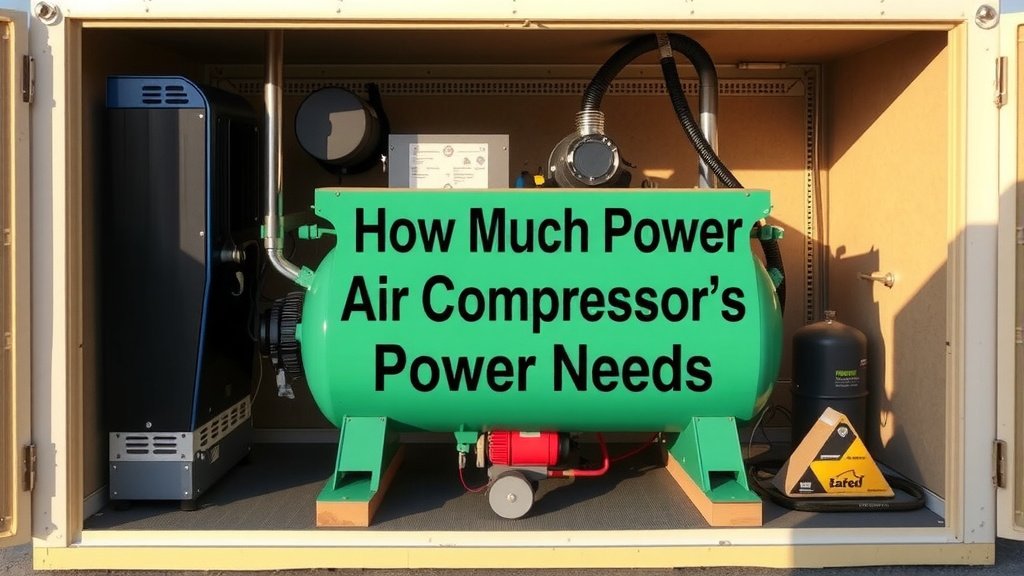
Understanding Your Air Compressor’s Power Needs
So, you’re wondering about the power consumption of an air compressor. It’s a great question, and the answer isn’t a simple one-size-fits-all. We found that the energy draw really depends on a few key factors. Think of it like choosing a car; a tiny smart car uses way less gas than a massive pickup truck, right? Your air compressor is similar.
Horsepower: The Engine of Your Compressor
The most common way to measure an air compressor’s power is by its horsepower (HP). This tells you how much work the motor can do. For most everyday tasks around the house, like inflating tires or powering a brad nailer for DIY projects, a compressor in the 1 to 2 HP range is usually plenty. This is what we often see in portable or small stationary units.
If you’re moving into more demanding jobs, like using an impact wrench regularly or running multiple tools simultaneously, you’ll likely need something with a bit more muscle. We’ve seen that compressors used in auto shops or by serious woodworkers often sit in the 3 to 5 HP range. For industrial settings, the horsepower can climb much higher, powering heavy-duty machinery. For more demanding jobs, a 2 cylinder air compressor might be necessary.
What Does Horsepower Really Mean for You?
Higher horsepower doesn’t always mean higher continuous energy use. Instead, it indicates the motor’s capability. A 5 HP compressor might use more power than a 1 HP unit when it’s running, but it will likely fill its tank faster and cycle on less often. This can sometimes lead to comparable or even lower overall energy bills for certain tasks.
Amps and Volts: The Electrical Nuts and Bolts
While horsepower gives you a general idea, the electrical specifications – amperage (amps) and voltage (volts) – tell you exactly how much electricity your compressor pulls from the wall. You can usually find these details on the compressor’s nameplate or in its manual. Most smaller compressors run on a standard 120-volt outlet, drawing around 10-15 amps.
Larger, more powerful compressors often require a 240-volt circuit. This is the same type of circuit that high-demand appliances like electric dryers or ovens use. These units draw more amps, so they need a dedicated circuit and a heavier-duty plug. Understanding your home’s electrical panel is important here; you need to make sure you have the right setup to avoid tripping breakers.
Matching Your Compressor to Your Outlet
We found that a common mistake is buying a compressor that requires a 240-volt outlet but only having 120-volt access. While adapters exist, they aren’t recommended for sustained use and can be a fire hazard. Always check the voltage and amperage requirements against what your home can safely supply before you buy.
How Your Usage Affects Power Consumption
It’s not just about the machine itself; how you use it plays a massive role in your electricity bill. Think about it: a car that idles for hours will burn more fuel than one driven efficiently on the highway. Your air compressor is no different. The frequency and duration of its operation are key energy culprits.
The Role of Tank Size
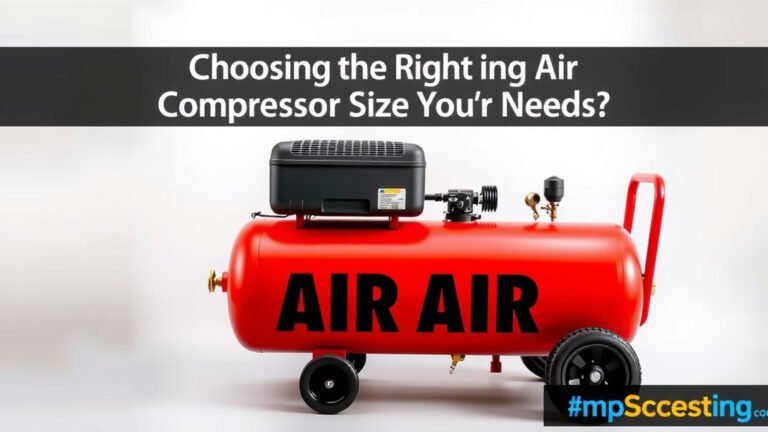
Air compressors store compressed air in a tank. The size of this tank influences how often the motor needs to run. A larger tank (e.g., 60 gallons) can hold more compressed air, meaning the compressor will cycle on less frequently to maintain pressure. However, when it does kick on, a larger tank requires more energy to fill initially.
Conversely, a smaller tank (e.g., 6 gallons) will need to refill more often, especially if you’re using air tools continuously. This constant cycling can add up on your energy bill. Many experts suggest that for tools that use air intermittently, a larger tank is often more energy-efficient because it allows the motor to rest more. We found that matching tank size to your typical airflow demand is a good strategy.
Duty Cycle: How Long Can It Run?
Every air compressor has a duty cycle rating. This is usually expressed as a percentage over a 10-minute period. For example, a 50% duty cycle means the compressor can run for 5 minutes and then needs to rest for 5 minutes. A higher duty cycle rating (like 75% or 100%) means the compressor is built for more continuous operation.
Using a compressor beyond its rated duty cycle can lead to overheating and shorten its lifespan. More importantly for power usage, pushing a compressor too hard means it’s running constantly, which will definitely increase your electricity consumption. We discovered that respecting the duty cycle prevents unnecessary wear and tear and helps keep energy use predictable.
Airflow (CFM): The Real Workhorse
The actual amount of compressed air your tools need is measured in Cubic Feet per Minute (CFM). Your compressor’s motor has to work harder to produce more CFM. If your tools require a high CFM, your compressor will need to run longer and potentially use more power to meet that demand.
For instance, an impact wrench might need 5 CFM, while a small brad nailer might only need 1 CFM. If your compressor is rated for 5 CFM but you’re trying to run multiple tools that collectively demand 10 CFM, it will struggle. This struggle translates to the motor working overtime, drawing more electricity than necessary.
Maximizing Efficiency and Saving Energy
Getting the most out of your air compressor without overspending on electricity is totally achievable. It’s all about being smart with your equipment and your workflow. Many homeowners find these tips helpful:
- Check for leaks: Even small leaks in hoses or fittings can waste a surprising amount of air and energy. We found that a quick spray of soapy water can reveal tiny leaks.
- Use the right tool for the job: Don’t use a heavy-duty impact wrench if a small brad nailer will do. This prevents your compressor from overworking.
- Maintain proper pressure: Set your regulator to the lowest effective pressure for your tool. Higher pressure means the compressor has to work harder.
- Consider oil vs. oil-free: Oil-lubricated compressors tend to be more durable and efficient for heavy use, but oil-free models are often lighter and require less maintenance for lighter tasks.
- Keep it cool: Overheating reduces efficiency. Ensure your compressor has good ventilation.
- Regular maintenance: Clean filters and check oil levels (if applicable). A well-maintained compressor runs more efficiently.
Conclusion
Understanding your air compressor’s power usage boils down to matching its capabilities with your needs. We found that factors like horsepower, tank size, and how often you run it all contribute to your electricity bill. Don’t let your compressor be an energy hog; make informed choices!
By considering these elements and applying simple efficiency tips, you can ensure your air compressor serves you well without breaking the bank. Your next step? Take a look at your current compressor and your typical projects. See if your setup aligns with these efficiency principles, and make any necessary adjustments for smarter energy use.
Frequently Asked Questions
How can I tell if my air compressor is too big or too small for my needs?
We’ve found that an oversized compressor might cycle on and off too frequently for small tasks, leading to wasted energy. Conversely, an undersized unit will struggle to keep up with demand, running constantly and potentially overheating. Assess the CFM requirements of your most-used tools to make the best match.
Will a larger air compressor tank save me money on electricity?
A larger tank means your compressor motor runs less often to maintain pressure. While it uses more power to fill the larger tank initially, the reduced cycling can lead to overall energy savings for tasks where air is used intermittently. We found this often balances out for many users.
What’s the biggest factor affecting my air compressor’s power consumption?
The biggest factor is often how long and how often you run the compressor. Continuous use, especially for demanding tasks that require high CFM, will naturally draw more power than occasional, short bursts of operation. Checking for air leaks can also make a surprising difference.
Can I use a regular household outlet (120V) for any air compressor?
Generally, smaller compressors with lower horsepower (1-2 HP) are designed for standard 120V outlets. More powerful compressors, typically 3 HP and above, often require a dedicated 240V circuit. Always check your compressor’s specifications before plugging it in to avoid electrical issues.
Are oil-free air compressors more energy-efficient than oil-lubricated ones?
While oil-free compressors are often lighter and require less maintenance, they can sometimes be less energy-efficient and louder than their oil-lubricated counterparts. For heavy-duty, continuous use, oil-lubricated models tend to be more durable and can perform more efficiently. We found the choice often depends on your specific usage patterns.