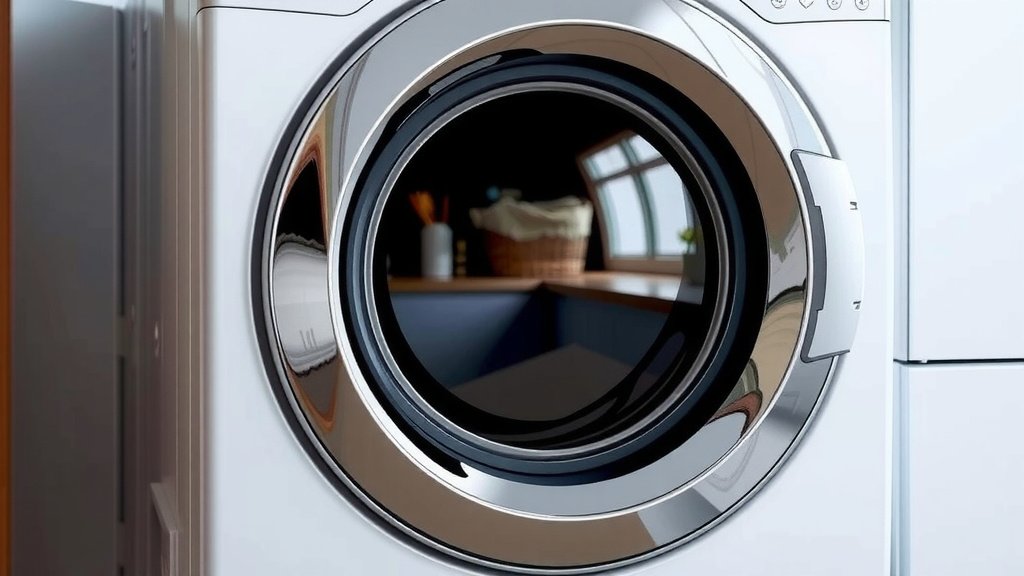
Front Loader Washing Machine Care Tips for Longevity
The best way to take care of your front loading washing machine is to keep it clean and free of debris. This involves regular cleaning of the drum, door seal, and detergent dispenser. Doing so helps prevent mold, mildew, and unpleasant odors, ensuring your machine runs efficiently.
Many homeowners overlook the simple maintenance their front loader needs. Neglecting these steps can lead to costly repairs or a shorter lifespan for your appliance. Research shows that consistent, easy care significantly boosts machine performance and longevity.
- Wipe down the door seal after each use.
- Clean the detergent dispenser regularly.
- Run a cleaning cycle monthly.
- Leave the door ajar between washes.
Let’s walk through exactly how to keep your front loader in tip-top shape, so it keeps your clothes looking great.
Keeping Your Front Loader Washing Machine in Top Shape
You’ve invested in a front-loading washing machine, and you want it to last. Taking good care of it isn’t complicated. Simple, regular habits can make a big difference. You can avoid common problems like smells and poor performance. Let’s go over what you need to do to keep your machine running smoothly.
The Importance of a Clean Drum and Door Seal
The inside of your washing machine needs attention. Think of it like your own laundry; it can get grimy. A damp environment is perfect for mold and mildew to grow. This is especially true for front loaders because the door seal traps moisture. This can lead to a musty smell on your clothes. Research from appliance experts suggests that regular cleaning prevents these issues.
Wiping Down the Door Seal
This is one of the easiest and most important steps. After each wash, take a moment to wipe down the rubber door seal. Use a clean cloth or paper towel. Pay attention to the folds and crevices. This removes trapped water and any lint or hair. Many experts say this simple wipe-down can prevent most odor problems.
Cleaning the Drum Interior
Your washing machine drum needs a deeper clean periodically. You can use a specialized washing machine cleaner. These are readily available at most grocery and home goods stores. Another effective method is using white vinegar. Pour one cup of white vinegar directly into the detergent dispenser. Then, run a hot water cycle on the largest load setting. This helps to break down detergent buildup and any mineral deposits.
Tackling the Detergent Dispenser
The detergent dispenser can become a breeding ground for mold and mildew too. It often gets clogged with leftover detergent and fabric softener. This can affect how your machine dispenses soap. Cleaning it regularly ensures proper detergent flow. This leads to cleaner clothes.
Removing and Washing the Dispenser
Most detergent dispensers can be removed from the machine. Consult your user manual if you’re unsure how to do this. Once removed, you can wash it in your sink with warm, soapy water. Use an old toothbrush to scrub away any residue. Rinse it thoroughly and dry it before putting it back. This process is key for preventing clogs and mold.
When to Deep Clean the Dispenser
We recommend doing this at least once a month. If you notice any gunk or slow dispensing, it’s time for a clean. Some machines have a removable dispenser drawer. Others have compartments that can be wiped out in place. Either way, keeping this area clean is essential.
Running Regular Cleaning Cycles
Most modern front-loading washing machines come with a self-cleaning cycle. This is designed to clean the internal parts of the machine. It typically uses a higher temperature water setting. This helps to sanitize the drum and hoses. Running this cycle regularly is a great way to maintain your machine’s cleanliness.
How Often Should You Run It?
Many manufacturers recommend running the cleaning cycle once a month. However, this can depend on your usage. If you do a lot of heavy loads or wash frequently, you might need to do it more often. Always check your washing machine’s manual for specific instructions. Using a washing machine cleaner tablet during this cycle can boost its effectiveness. These tablets are widely available and simple to use.
Using Natural Cleaning Agents
If your machine doesn’t have a specific cleaning cycle, or you prefer natural methods, vinegar and baking soda work well. You can run an empty hot cycle with one cup of vinegar added to the drum. After that cycle, sprinkle half a cup of baking soda into the drum and run another hot cycle. This combination helps to deodorize and clean the machine. Many people have found this method very effective.
Proper Loading and Detergent Use
How you load your machine and the type of detergent you use matters. Overloading the machine can strain the motor and drum. It also prevents clothes from getting properly clean. Too much detergent can leave residue on clothes and inside the machine. This residue can attract mold and mildew.
Loading Your Machine Correctly
Leave some space at the top of the drum. Clothes should be able to tumble freely. A good rule of thumb is to be able to fit your hand vertically between the clothes and the top of the drum. This ensures optimal performance and better washing results. Don’t stuff the machine beyond this point.
Choosing the Right Detergent
Front-loading machines require High-Efficiency (HE) detergents. These detergents are formulated to produce fewer suds. Too many suds can damage your machine and leave residue. Always use the amount recommended on the detergent packaging. It’s often less than you might think. Too much soap is a common mistake.
Addressing Odors Promptly
If you notice a bad smell, don’t ignore it. It’s usually a sign that something needs cleaning. The most common culprits are the door seal and the drum. Sometimes, the drain pump filter can also get clogged with debris. This can cause odors and affect drainage.
The Drain Pump Filter
Your washing machine has a small filter, often located behind a panel at the bottom front of the machine. This filter traps lint, coins, and other small items. If it gets clogged, it can lead to drainage issues and smells. We recommend checking and cleaning this filter every few months. Be prepared for a small amount of water to come out when you open it. Place a shallow pan or towels underneath.
Preventative Measures for Longevity
There are a few extra steps you can take to extend the life of your washing machine. These small actions can help prevent major issues down the line. They also ensure your machine operates efficiently for years to come.
Leaving the Door Ajar
After each wash cycle, leave the washing machine door slightly open. This allows air to circulate inside the drum. It helps to dry out any residual moisture. This is one of the simplest ways to prevent mold and mildew growth. This simple step can save you a lot of cleaning hassle.
Regular Inspections
Periodically, take a quick look around your machine. Check hoses for any signs of wear or leaks. Ensure the machine is level and not vibrating excessively. A well-maintained machine performs better and lasts longer. These small checks can catch minor issues before they become major problems.
Your Front Loader Maintenance Checklist
Here’s a quick rundown of what to do and when:
- After each wash: Wipe down the door seal and leave the door ajar.
- Weekly: Check the door seal for any visible lint or debris and wipe clean.
- Monthly: Clean the detergent dispenser thoroughly. Run a cleaning cycle with a washing machine cleaner or vinegar.
- Every 3-6 Months: Check and clean the drain pump filter.
- As Needed: Address any unusual noises or smells immediately.
Summary of Essential Care Practices
Caring for your front-loading washing machine is straightforward. It primarily involves keeping it clean and dry. Regularly wiping the door seal, cleaning the dispenser, and running a monthly cleaning cycle are key. Using the correct HE detergent and not overloading the machine are also vital. These practices will help prevent odors, ensure efficient cleaning, and extend the lifespan of your appliance. You’ll keep your clothes looking and smelling fresh.
Conclusion
You’ve got this! Taking care of your front-loading washing machine boils down to a few simple, consistent habits. By regularly wiping down that door seal, giving the dispenser a good clean, and running an occasional cleaning cycle, you’re actively preventing those dreaded odors and ensuring your machine works its best. Remember to always use HE detergent and avoid overloading. These steps will not only keep your clothes fresher but also significantly extend the life of your appliance, saving you money and hassle in the long run. So, make these quick checks part of your routine – your washing machine will thank you!
Frequently Asked Questions
How often should I really clean my front loader’s door seal?
Wiping down the door seal after every wash is ideal. This simple habit removes moisture and lint that can lead to mold and mildew. If you can’t manage it every time, aim for at least a quick wipe a few times a week.
Can I use regular detergent in my front loader?
No, you really shouldn’t. Front-loading machines require High-Efficiency (HE) detergents because they produce much less suds. Using regular detergent can create too many suds, which can damage your machine and leave residue on your clothes and inside the drum.
What’s the best way to get rid of a musty smell from my washing machine?
The most common cause of musty smells is trapped moisture and residue in the drum and door seal. Run a hot cleaning cycle with vinegar or a specialized washing machine cleaner. Also, make sure to wipe the seal dry and leave the door ajar after use to prevent recurrence.
Is it safe to use bleach to clean my washing machine?
While bleach can sanitize, it’s often too harsh for regular washing machine cleaning and can degrade rubber seals over time. White vinegar and baking soda are safer, effective alternatives for cleaning and deodorizing. Always check your machine’s manual before using any cleaning agent.
My washing machine is vibrating a lot. What could be wrong?
Excessive vibration often means the machine isn’t level or the load is unbalanced. Ensure the machine is on a flat surface and adjust the feet if needed. Also, avoid overloading the machine, as this can cause significant shaking. If the problem persists, check if the shipping bolts were removed during installation.
![7 The Best Front Load Washers [In 2026]](https://homeunderstandable.com/wp-content/uploads/2026/09/7-the-best-front-load-washers-in-2026-featured-768x432.jpg)
![7 Best Deals In Washing Machines [In 2026]](https://homeunderstandable.com/wp-content/uploads/2026/08/7-best-deals-in-washing-machines-in-2026-featured-768x432.jpg)
![7 Best Stackable Washer And Dryer Reviews [In 2026]](https://homeunderstandable.com/wp-content/uploads/2026/09/7-best-stackable-washer-and-dryer-reviews-in-2026-featured-768x432.jpg)