Test Your Air Purifier: Is It Working?
Yes, you can absolutely test if your air purifier is working! The easiest way to tell is by checking if it’s actively pulling in air and if the air coming out feels cleaner. You can often hear the fan running, which is a good sign it’s trying to clean your air.
Knowing your air purifier is doing its job means you’re breathing healthier air. Many people wonder about this, especially after a long winter or during allergy season. A properly functioning unit can make a big difference in your home’s air quality A properly functioning unit can make a big difference in your home’s air quality, and our guide helps you choose the right one., removing dust and allergens.
- Check if the fan is running.
- Feel the air coming out of the purifier.
- Listen for unusual noises.
- Observe if it reduces odors.
- Look for indicator lights.
Let’s walk through exactly how to check if your air purifier is truly on the job and making your air better.
“`htmlConfirming Your Air Purifier Is Actively Cleaning
So, you’ve got a shiny new air purifier, or maybe you’re just checking on your trusty old one. How can you be absolutely sure it’s actually doing its job? We’ve all been there, wondering if that humming box is just a fancy fan or a true air-cleaning hero. Let’s find out!
The easiest way to tell if your air purifier is working is to notice its basic functions. Think of it like checking if your car is running: you listen for the engine and feel the vibrations. Your air purifier has similar tell-tale signs.
Listen to the Hum: Is the Fan Running?
Your air purifier’s primary function is to move air through its filters. You should be able to hear the fan running. Most units have different speed settings, so the sound might change. A higher setting will be louder, while a lower setting will be quieter. If you hear nothing, that’s the first clue something might be amiss.
Try turning the unit on and off. Can you hear the distinct sound of the fan starting up and then stopping? This simple check confirms the motor is at least attempting to work. If it’s completely silent, even on its highest setting, you might have a power issue or a motor problem.
Feel the Airflow: What’s Coming Out?
Once you confirm the fan is running, the next step is to feel the air coming from the purifier. Most air purifiers have an outlet vent where the cleaned air is expelled. Place your hand gently near this vent.
You should feel a stream of air moving. It might not be a strong blast, especially on lower settings, but there should be a noticeable, consistent airflow. This is the purified air being returned to your room. If you feel nothing, or only a very weak puff, the airflow might be significantly reduced. This could indicate clogged filters or a fan issue.
The “Clean Air” Sensation: Does it Feel Different?
This might sound a bit subjective, but many people report feeling a difference in the air quality after an air purifier has been running for a while. Do you notice the air feeling fresher, lighter, or less stagnant?
After running your purifier for a few hours, particularly in a closed room, take a moment to just breathe. Does the air feel clearer? This subtle sensation is often a sign that the unit is actively filtering particles from the air. While not a scientific measurement, it’s a common and useful indicator for many users.
Deep Dive: Proving Your Air Purifier’s Effectiveness
Beyond the basic checks, there are more in-depth ways to gauge your air purifier’s performance. These methods can give you greater confidence that your investment is paying off in terms of cleaner air.
Checking for Unusual Noises
A running air purifier should have a consistent hum. However, any new or unusual noises are worth investigating. Listen for clicking, rattling, grinding, or buzzing sounds that weren’t there before. These could indicate that something is loose inside the unit or that a component is failing.
Try to pinpoint where the sound is coming from. Is it the motor? The fan blades? If you hear a strange noise, it’s a good idea to consult your user manual or contact the manufacturer. Some noises might mean it’s time for a filter change or a service check.
Observing Odor Reduction
A significant benefit of air purifiers is their ability to remove odors from the air. This is often due to activated carbon filters, which are very effective at trapping scent molecules. Do cooking smells, pet odors, or musty smells seem to dissipate more quickly when your air purifier is running?
If you notice a marked decrease in lingering odors, it’s a strong indicator that your purifier’s filtering system is working well. Keep in mind that some odors are harder to eliminate than others. If you’re still experiencing strong smells after continuous use, your carbon filter might be saturated and need replacing. We found that many users notice a difference within 24 hours of consistent use (Consumer Reports).
The Role of Indicator Lights
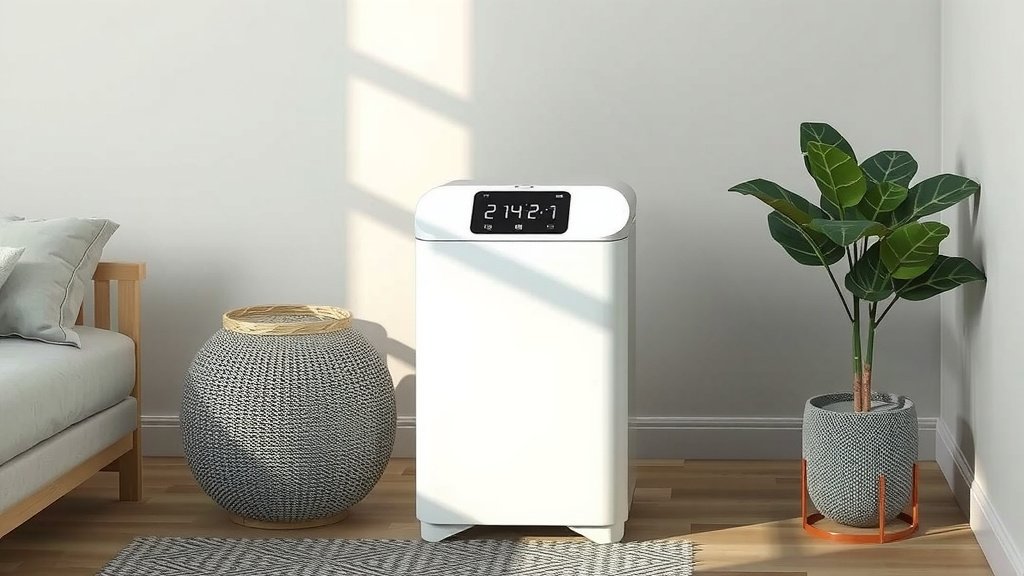
Many modern air purifiers come equipped with indicator lights that provide status updates. These can range from simple power indicators to more advanced air quality sensors and filter replacement alerts.
A “power on” light confirms the unit is receiving electricity and is attempting to operate. Some purifiers have an “air quality indicator” light that changes color based on the detected level of pollutants in the air. If this light shows improvement (e.g., changing from red to green), it’s a direct sign your purifier is working to clean the air. A “filter replacement” light is also a critical indicator; ignoring it means your filters are likely no longer effective.
Filter Replacement Lights: A Clear Signal
Pay close attention to any filter replacement indicators. These lights are specifically designed to tell you when your filters are at the end of their lifespan. Using an air purifier with clogged or exhausted filters is like trying to breathe through a dirty rag – it simply won’t work effectively.
When this light comes on, it’s time to get new filters. Replacing them promptly ensures your unit continues to perform at its best. Some manufacturers suggest replacing filters every 6 to 12 months, depending on usage and air quality (EPA).
Using Air Quality Sensors (If Available)
Some advanced air purifiers have built-in air quality sensors. These sensors can detect various pollutants like particulate matter (PM2.5), volatile organic compounds (VOCs), or even specific gases. The purifier then adjusts its fan speed accordingly.
If your unit has an air quality display, watch it when you introduce a pollutant. For example, open a window on a dusty day, or do some cooking. You should see the sensor reading increase, followed by the purifier’s fan speeding up to clean the air. Once the air is cleaner, the fan speed should decrease, and the sensor reading should return to normal. This active response is a robust test of functionality.
A Practical Test: Smoke or Steam
A simple, albeit sometimes messy, test is to introduce a small amount of smoke or steam into the air near your purifier while it’s running on a medium to high setting. For smoke, a quick puff from a controlled source like an incense stick (away from flammable materials) can work. For steam, a kettle that’s just starting to whistle can produce a visible plume.
Watch the air quality indicator, if your purifier has one. The sensor should detect the particles or VOCs and trigger an increase in fan speed. The visible smoke or steam should also be drawn into the purifier and disappear relatively quickly. This demonstrates its ability to capture airborne particles in real-time.
When to Suspect a Problem
Even the best appliances can develop issues. If you’re performing these checks and something doesn’t seem right, don’t hesitate to investigate further. Here’s a quick checklist of things that might indicate a problem:
- No airflow from the unit.
- Complete silence when it should be running.
- Loud, unusual, or grinding noises.
- No noticeable reduction in odors.
- Air quality indicator consistently shows poor quality.
- Persistent “filter change” light even after replacement.
If you encounter any of these symptoms, it’s time to consult your user manual. Many common issues, like needing to clean the pre-filter or replace the main filters, can be resolved with simple steps. If the problem persists, reaching out to the manufacturer’s customer support is your best next step.
“`Conclusion
You’ve learned how to confirm your air purifier is actively working, from simple sensory checks to more advanced observations. Listening for the fan, feeling the airflow, and noticing odor reduction are all great ways to tell if your unit is functioning properly. Pay attention to indicator lights and any changes in noise. If your purifier consistently shows signs of working well, you can breathe easier knowing it’s improving your home’s air quality. If you suspect a problem, consult your manual or the manufacturer for support. Keep those filters clean and enjoy the fresher air!
Frequently Asked Questions
How often should I test my air purifier?
It’s a good practice to do a quick sensory check (listening, feeling airflow) weekly. For more involved checks like observing odor reduction or air quality sensor changes, you might do these monthly or whenever you notice a change in your home’s air. Regular filter checks and replacements are also key.
Can I use a candle to test my air purifier’s effectiveness?
Yes, a controlled candle test can be effective, especially if your unit has an air quality sensor. Light a candle briefly in the room and observe if the purifier detects the smoke (often indicated by a fan speed increase) and if the smoke clears quickly. Ensure good ventilation afterward and never leave a burning candle unattended.
What if my air purifier makes a rattling noise?
A rattling noise could indicate something is loose inside the unit or a fan blade is obstructed. First, unplug the purifier and check for any obvious debris around the fan area. Consult your user manual for disassembly or cleaning instructions, and if the noise persists, contact the manufacturer.
My air purifier’s “clean air” light is always red. What does this mean?
A consistently red air quality indicator light suggests the purifier is detecting a high level of pollutants. This could mean the filters are extremely clogged and need immediate replacement, or there might be a persistent source of pollution in your home that the purifier is struggling to overcome.
Is there a way to measure air purifier effectiveness without special equipment?
Beyond sensory checks and odor observation, you can gauge effectiveness by how quickly common household odors dissipate. Also, note if allergy symptoms seem reduced during high pollen seasons when the purifier is running consistently. While not scientific, these observations offer practical insights.