Master Your Air Purifier: Correct Use for Cleaner Air
To use your air purifier correctly, make sure you place it in the right spot and run it consistently. It’s best to keep it away from walls and furniture to allow for good airflow. For optimal results, aim to run your air purifier 24/7, especially during allergy season or when air quality is poor.
Many people wonder if their air purifier is truly working. Proper usage means understanding its limitations and capabilities. You want to ensure you’re getting the most bang for your buck and breathing the cleanest air possible. This means not just turning it on, but using it smart.
- Place it away from obstructions.
- Run it continuously for best results.
- Check and replace filters on time.
- Consider room size for placement.
Let’s walk through exactly how to get the most out of your air purifier so you can breathe easier.
Maximizing Your Air Purifier’s Performance
You’ve got an air purifier, and that’s a fantastic step toward cleaner air. But are you getting the most out of it? Using your air purifier correctly is key to reaping its full benefits. We’re not just talking about turning it on and forgetting about it. It’s about smart placement, consistent operation, and a little bit of upkeep. Let’s get your unit working at its best.
Strategic Placement: Giving Your Purifier Room to Breathe
Where you put your air purifier matters a lot. Think of it like a fan; it needs space to do its job. Placing it right against a wall or cramming it between furniture can really hinder its ability to circulate air effectively. You want it to be able to draw in air from all around it and push out clean air without a fight.
Finding the Sweet Spot in Your Room
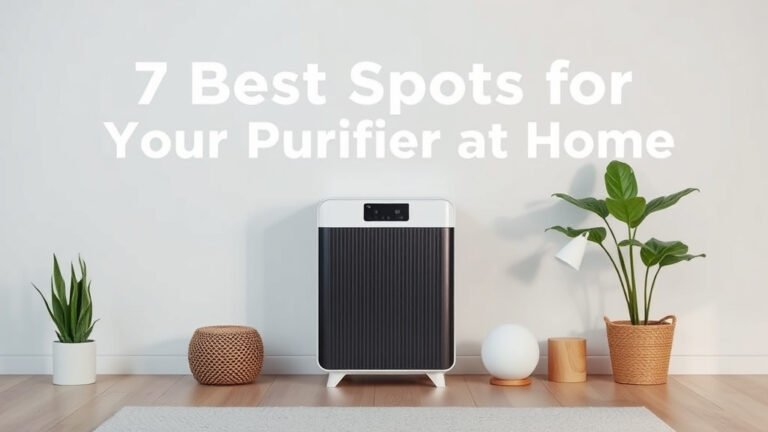
The ideal placement is usually in the center of a room, or at least a few feet away from any walls or large objects. This allows for maximum airflow. Many manufacturers recommend keeping your purifier at least one foot away from walls. If you have a smaller space, don’t worry, just aim for the most open area you can find.
Consider Your Room’s Layout
Think about where you spend most of your time. If you’re always in the living room, that’s a great place for your purifier. If your bedroom is where you sleep and allergies hit hard, prioritize that space. Some people even use smaller, personal air purifiers for their desk area at work. The goal is to purify the air where you are breathing it most.
Height Matters Too
While less critical than floor placement, some experts suggest placing your air purifier at a height that matches where you breathe. For example, if you’re mostly sitting on the floor or in a low chair, a lower placement might be beneficial. However, for most people, placing it on the floor or a low table is perfectly fine.
Consistent Operation: The 24/7 Rule and Beyond
One of the biggest questions people have is how long they should run their air purifier. The short answer? As much as possible. Air purifiers work by filtering the air that passes through them. To significantly improve your indoor air quality, you need to give them plenty of time to process the air.
Why Continuous Use Is Best
Think of it like vacuuming. If you only vacuum once a month, dust and allergens have a long time to build up. Air purifiers work similarly. Running your unit 24/7 ensures that pollutants are being captured constantly. This is especially important during allergy season or when outdoor air quality is poor due to smoke or pollution. Studies on air filtration show that continuous operation is more effective at reducing particulate matter (National Institute of Environmental Health Sciences).
When to Crank It Up (or Down)
Most air purifiers have multiple fan speeds. Use the higher settings when you really need a boost, like when cooking with a lot of smoke, after opening windows to air out the house, or when you first notice allergy symptoms flaring up. For general daily use, a medium or low setting is often sufficient and quieter. You can even set timers on some models, but for the best air quality, continuous running is generally recommended.
Filter Care: The Heart of Your Air Purifier
Your air purifier is only as good as its filters. These are the workhorses that capture all those tiny particles you want to avoid. Neglecting them means your purifier will become less effective and could even start to recirculate dust.
Understanding Different Filter Types
Most air purifiers use a combination of filters. A common setup includes a pre-filter (often washable) to catch larger particles like pet hair, a HEPA filter to trap tiny allergens like pollen and dust mites, and an activated carbon filter to absorb odors and gases. Knowing what type of filters your unit has will help you maintain them properly.
The Importance of Timely Filter Replacement
HEPA and carbon filters cannot be cleaned; they need to be replaced. Check your air purifier’s manual for the manufacturer’s recommended replacement schedule. This can range from every 6 months to 2 years, depending on the filter type and how often you run the unit. Many newer models have filter indicator lights that will alert you when it’s time for a change. Don’t ignore these warnings!
Checking and Cleaning Pre-Filters
The pre-filter is usually located on the very outside. It’s designed to catch the big stuff. We found that regularly cleaning this pre-filter can significantly extend the life of your main HEPA filter. Most can be gently vacuumed or rinsed under water. Always ensure it’s completely dry before putting it back in the purifier.
Matching Your Purifier to Your Space
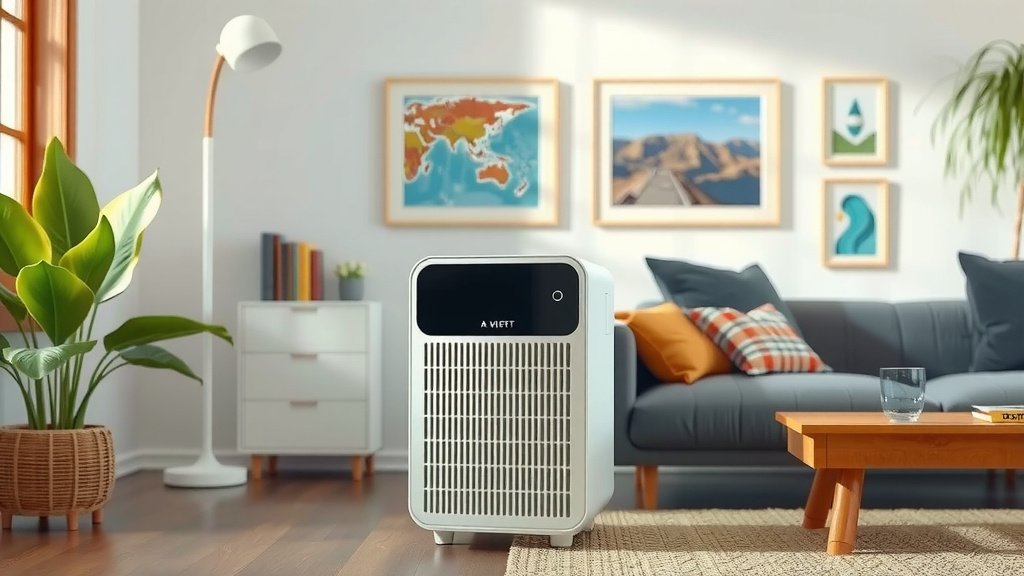
Not all air purifiers are created equal, and neither are all rooms. It’s important to match the size and power of your air purifier to the square footage of the area you want to clean. Using an undersized unit in a large room will mean it has to work overtime and still won’t achieve optimal results.
Understanding CADR Ratings
Look for the Clean Air Delivery Rate (CADR) on your air purifier’s packaging or specifications. This rating tells you how quickly the unit can filter out specific pollutants like smoke, dust, and pollen. A higher CADR means faster and more effective air cleaning. Manufacturers often provide recommendations on which CADR rating is suitable for different room sizes. For example, a CADR of 100 for smoke might be good for a 150 sq ft room.
What If You Have Multiple Rooms?
If you want to clean the air in more than one room, you have a couple of options. You can purchase multiple air purifiers, one for each main living space. Alternatively, you can invest in a larger, more powerful unit and move it between rooms as needed. While moving it is a bit of effort, it can be a cost-effective solution if you don’t need 24/7 purification in every single area.
Quick Checklist for Optimal Air Purifier Use
- Place your purifier in an open area, away from walls and furniture.
- Run your air purifier consistently, ideally 24/7, for best results.
- Check your unit’s manual for filter replacement schedules and follow them.
- Regularly clean or vacuum the pre-filter to extend the life of main filters.
- Ensure your air purifier is rated for the size of the room you’re using it in.
- Use higher fan speeds during times of high pollution or when you notice symptoms.
Conclusion
You’ve learned that using your air purifier effectively isn’t complicated. It’s about giving it space, running it consistently, and keeping its filters in top shape. Strategic placement and knowing your purifier’s CADR rating help it work best for your specific room size. Regular filter care ensures you’re always breathing the cleanest air possible. By following these simple steps, you’re actively improving your home’s air quality and creating a healthier living environment for you and your family. Now, go ahead and make sure your purifier is set up for success!
Frequently Asked Questions
How often should I run my air purifier?
For the best results, we recommend running your air purifier 24/7. This ensures continuous air filtration and helps prevent allergens and pollutants from accumulating. Even on lower settings, constant operation makes a big difference in air quality.
Can I place my air purifier behind furniture?
It’s best to avoid placing your air purifier directly behind furniture or too close to walls. Doing so restricts airflow, making it harder for the unit to draw in air and circulate clean air effectively. Aim for at least a foot of clearance.
How do I know when to replace my air purifier’s filter?
Always check your air purifier’s manual for the manufacturer’s recommended replacement schedule. Many units also have a filter indicator light that will alert you when it’s time for a change. Don’t wait too long, as clogged filters reduce performance.
What is a HEPA filter, and why is it important?
A HEPA (High-Efficiency Particulate Air) filter is designed to capture 99.97% of airborne particles as small as 0.3 microns. This includes common allergens like pollen, dust mites, and pet dander. Maintaining a HEPA filter is key to achieving truly clean air.
Is it okay to turn my air purifier off when I leave the house?
While you can turn it off, research suggests continuous operation is more effective for maintaining good air quality. If you’re concerned about energy use, consider using a lower fan speed when you’re away or looking for models with energy-saving modes or timers.
![5 Best Air Purifier for 700 Sq Ft [In 2026]](https://homeunderstandable.com/wp-content/uploads/2025/06/best-air-purifier-for-700-sq-ft.jpg)