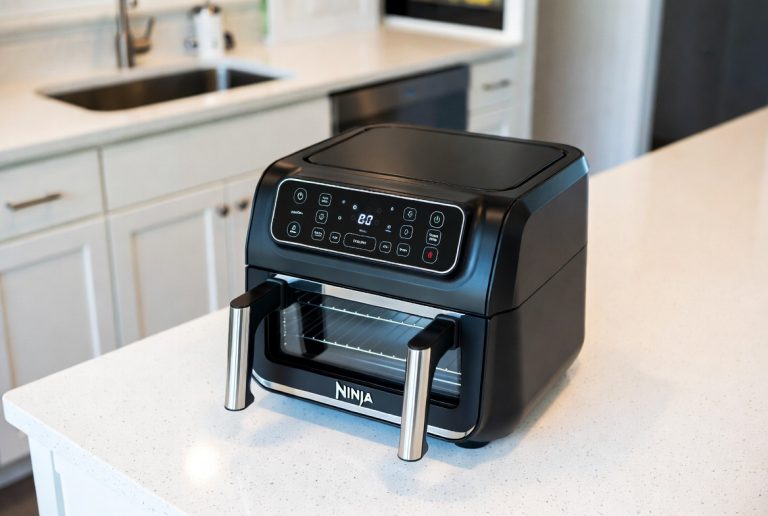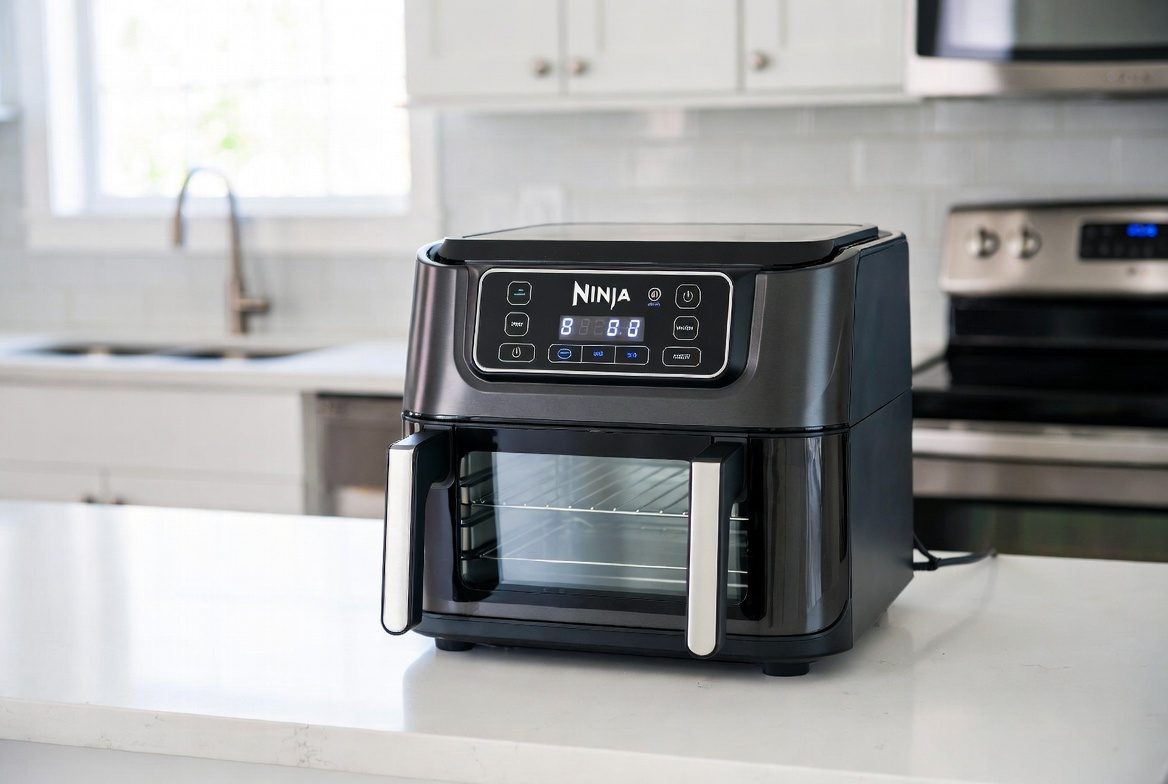
Mini Oven vs Air Fryer: Which Appliance Should You Buy?
If you’re standing in the kitchen appliance aisle, staring at a mini oven on one shelf and an air fryer on another, you’re probably wondering which one deserves a spot on your countertop. Both promise faster cooking, energy efficiency, and the ability to whip up crispy, delicious meals without heating up your entire kitchen. But here’s the thing—they’re actually quite different beasts, and choosing between them really depends on what you’re trying to accomplish in your kitchen.
I get it. Kitchen space is precious, and your budget is finite. You want an appliance that’ll actually get used, not one that becomes a glorified paperweight gathering dust next to your blender. That’s why I’ve put together this comprehensive guide to help you navigate the mini oven versus air fryer decision once and for all.
Understanding What Each Appliance Does
How a Mini Oven Functions
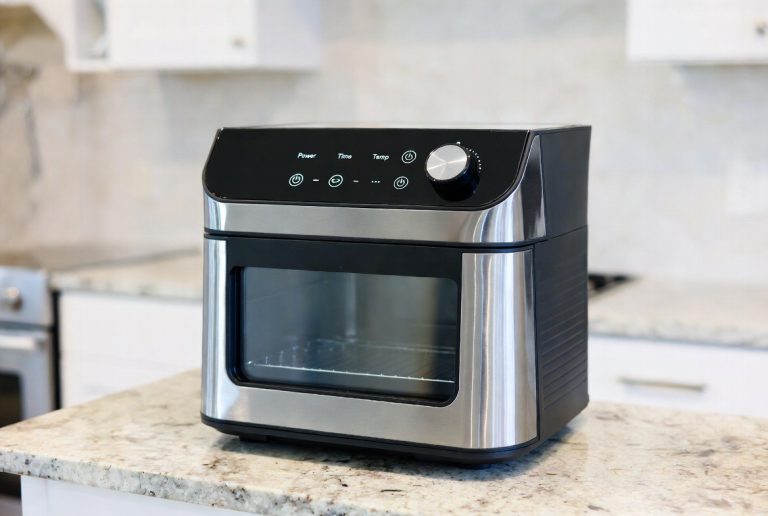
A mini oven is basically a scaled-down version of your traditional kitchen oven. It uses heating elements—typically on the top and bottom—to cook food through a combination of direct heat and convection. Think of it as the compact cousin that inherited all the family genes but comes in a smaller package. Inside, you’ll find racks where you can place your food, and most modern mini ovens include settings for baking, toasting, broiling, and sometimes even rotisserie cooking.
The heating happens gradually, and the oven takes time to preheat, just like a full-size oven. However, because of its smaller chamber, it reaches the desired temperature faster than a traditional oven. It’s like filling a bathtub versus filling a kiddie pool—same process, but one is obviously quicker.
How an Air Fryer Works
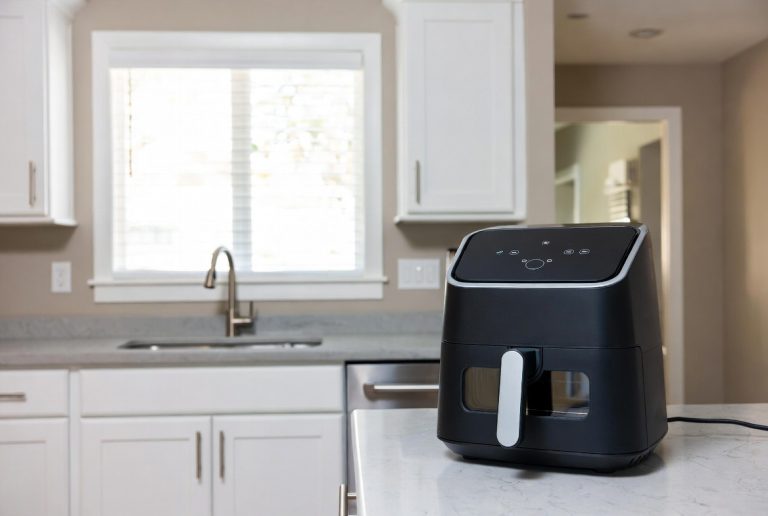
An air fryer, on the other hand, uses a completely different technology. It circulates extremely hot air at high speeds around your food, creating a crispy exterior through something called the Maillard reaction. There are no heating elements above or below your food like in an oven. Instead, heating coils sit at the top, and a powerful fan rapidly moves hot air throughout the cooking chamber.
This rapid air circulation means your food cooks from all angles simultaneously, creating that coveted crispy texture without needing to submerge it in oil. It’s almost like giving your food a hot air massage that results in perfectly golden, crunchy results in a fraction of the time.
Cooking Speed Comparison
Which One Cooks Faster?
If speed is your primary concern, the air fryer takes the crown here—and it’s not even close. An air fryer can typically cook food 20 to 30 percent faster than a traditional oven, and it does so at higher temperatures without much preheating time. You’re looking at maybe two to three minutes of preheating before you can start cooking.
A mini oven requires more preheating time, usually around five to ten minutes depending on the model and temperature you’re aiming for. Once you factor in the cooking time itself, a mini oven generally takes longer for most tasks.
Real-World Cooking Times
Let’s talk specifics. Want to cook frozen chicken wings? An air fryer can have them ready in about 15 to 20 minutes, while a mini oven might need 25 to 30 minutes. Baking a small batch of cookies? The air fryer might finish in 10 minutes, whereas the mini oven could take 15 to 18 minutes. These differences add up when you’re cooking multiple times per week.
Capacity and Size Considerations
How Much Can Each Hold?
Here’s where mini ovens actually pull ahead. Because they have a larger internal chamber, they can typically hold more food at once. A standard mini oven might have a capacity of 19 to 30 liters, allowing you to cook multiple items simultaneously or handle larger portions.
Air fryers, meanwhile, have a smaller cooking basket or tray. Most home air fryers range from 2 to 5 liters in capacity. This means you might need to cook in batches if you’re feeding a larger family or preparing multiple dishes at once. It’s the difference between hosting a dinner party and making a snack for two.
Physical Footprint
Despite their difference in internal capacity, both appliances are relatively compact compared to full-size ovens. A mini oven typically measures around 18 by 14 by 10 inches, while an air fryer might be 10 by 9 by 12 inches. Neither will monopolize your kitchen counter, but the air fryer definitely has the slighter profile.
Energy Efficiency and Operating Costs
Power Consumption Breakdown
Air fryers are generally more energy-efficient than mini ovens. An air fryer typically uses between 800 to 1500 watts, while a mini oven usually consumes between 1200 to 1800 watts. The difference might seem small, but it adds up over time, especially if you’re using these appliances daily.
Because air fryers cook faster and more efficiently, your overall energy usage per meal tends to be lower. You’re also heating a smaller space, which requires less energy overall. It’s similar to how it costs less to heat a small bedroom than to heat an entire house.
Long-Term Cost Savings
If you use an air fryer several times per week instead of your full-size oven, you could potentially save between 30 to 50 dollars per year on electricity, depending on your local rates. Over a five-year period, that’s genuine savings that shouldn’t be overlooked.
Versatility in the Kitchen
What Can You Cook in Each?
Mini ovens are remarkably versatile. You can bake, broil, toast, roast, and even do some grilling-style cooking depending on your model. Want to make a pizza? Go for it. Bake a lasagna? Absolutely. Toast some bread? Consider it done. The variety of cooking methods available makes mini ovens excellent for someone who wants one appliance to do many jobs.
Air fryers excel at making things crispy. Chicken wings, french fries, fish fillets, vegetable chips—they all come out gloriously crispy with minimal or no oil. However, they’re less ideal for baking cakes, cookies, or bread, as they can’t distribute heat evenly enough for even baking. You also can’t broil in an air fryer or use it for traditional roasting in the way you might in an oven.
Specialty Cooking Functions
Some mini ovens include rotisserie functions, allowing you to slow-roast chicken or other meats for hours. Certain models even have convection settings that improve baking results. Air fryers, in contrast, are pretty straightforward—they fry with air, and that’s their specialty. They do it brilliantly, but they don’t diversify much beyond that core function.
Food Quality and Taste Results
Texture and Crispiness
When it comes to achieving that perfect crispy exterior, air fryers are unmatched. The rapid circulation of hot air creates a texture that rivals deep-fried foods but without the oil. If your family is obsessed with crispy fried chicken, golden french fries, or crunchy vegetable chips, an air fryer will deliver results that make you wonder why you ever used the oven.
Mini ovens produce decent browning and crispiness, especially if they have a convection feature, but they don’t quite match the air fryer’s consistency in creating that coveted crunch.
Baking and Precision Cooking
For baking, mini ovens are more reliable. They distribute heat more evenly across the entire cooking chamber, which is essential for baking cakes, pastries, and bread. An air fryer’s intense, concentrated heat can lead to uneven baking, with some parts overdone while others remain underdone. If baking is a frequent activity in your household, the mini oven wins this round.
Moisture Retention
Air fryers can sometimes dry out food if you’re not careful, particularly leaner cuts of meat. Mini ovens tend to retain moisture better because they don’t use such intense, direct heat. For dishes where you want the interior to remain juicy while the exterior browns, the mini oven might be your better bet.
Ease of Use and Learning Curve
Simple Controls and Setup
Air fryers are incredibly user-friendly. Most models have simple dials or digital displays where you set the temperature and time, and you’re done. There’s minimal preheating, and you don’t need to flip or stir foods as often. It’s genuinely hard to mess up air fryer cooking—even beginners get excellent results on their first try.
Mini ovens require a bit more familiarity with temperature settings and cooking times. If you’ve used a regular oven before, you’ll adapt quickly, but there’s definitely more of a learning curve. You might need to experiment with temperature and time to get the results you want.
Monitoring and Adjustment
With an air fryer, you load the basket, set the timer, and walk away. Some models have a window so you can peek at your food without opening it. With a mini oven, you might need to check on your food periodically, adjust racks, or rotate items for even cooking. It requires a bit more attention and hands-on management.
Cleaning and Maintenance
Cleanup Difficulty
Air fryer baskets are typically nonstick and easy to wipe down or toss in the dishwasher. Because you’re not using oil (or using very little), there’s minimal greasy buildup. Cleaning an air fryer usually takes less than five minutes.
Mini ovens are less convenient to clean. You have to reach into a larger chamber, potentially remove racks, and deal with crumbs and splatters. The interior can be harder to access, and if something spills, cleanup becomes a bigger task. You might need to let the oven cool completely before doing a thorough cleaning.
Maintenance Requirements
Air fryers need minimal maintenance beyond regular cleaning. There aren’t many moving parts or complex systems to maintain. Mini ovens, being more like traditional ovens, require occasional maintenance like checking heating elements and potentially replacing them if they malfunction over time.
Price Point Analysis
Initial Investment
Air fryers are generally more affordable than mini ovens. You can find quality air fryers ranging from 50 to 150 dollars, with premium models going up to 300 dollars or more. Mini ovens typically cost between 80 to 250 dollars, though some high-end models can exceed 300 dollars.
If you’re operating on a tight budget, an air fryer might be the more wallet-friendly option. However, if you want maximum versatility, the mini oven’s slightly higher price might be justified.
Value for Money
The real question isn’t just the sticker price but what you get for your money. An air fryer offers exceptional value if you’re primarily interested in quick, crispy meals. A mini oven offers value if you want to replace multiple appliances—your regular oven, toaster, and broiler—with one compact unit.
Durability and Longevity
Expected Lifespan
Both appliances, when properly maintained, can last five to ten years or more. However, air fryers have fewer moving parts, which theoretically makes them simpler and potentially more durable. Mini ovens have heating elements and sometimes mechanical components like rotating spits, which might need replacement over time.
The quality of the specific model matters far more than the appliance type. A budget air fryer from an unknown brand might fail after two years, while a well-made mini oven could last a decade.
Warranty and Support
Most reputable brands offer one to two-year warranties on both types of appliances. Check the warranty length and what’s covered before making your purchase. Some premium models come with extended warranty options, which can provide peace of mind.
Who Should Choose a Mini Oven
Ideal User Profiles
A mini oven is perfect for you if you:
- Bake regularly and need even heat distribution
- Cook for larger groups and need more capacity
- Want versatility—baking, toasting, roasting, and broiling all in one appliance
- Live in a small space but want to reduce reliance on your full-size oven
- Don’t mind spending a bit more time on preheating and monitoring
- Appreciate having multiple cooking modes and settings
Who Should Choose an Air Fryer
Ideal User Profiles
An air fryer is perfect for you if you:
- Value speed and convenience above all else
- Love crispy foods and want that without deep frying
- Cook for one to four people typically
- Want the easiest possible appliance to clean
- Have limited counter space and prefer a compact footprint
- Are interested in energy-efficient cooking
- Don’t bake much but enjoy fried, roasted, and reheated foods
Storage and Counter Space Impact
Space Considerations
Even though both are compact compared to full-size ovens, they do occupy real estate on your countertop or in your storage. If you’re in a tiny apartment or have minimal counter space, the air fryer’s smaller footprint might be the deciding factor. It’s easier to tuck away in a cabinet when not in use.
If you use your appliance constantly, leaving it out is fine. But if you’re a minimalist with limited space, the air fryer’s ability to fit snugly in a cabinet between uses is a genuine advantage.
Environmental Considerations
Energy and Sustainability
Air fryers use less energy overall, which means a smaller carbon footprint if you’re environmentally conscious. They also use little to no oil, which means you’re not disposing of used cooking oil as frequently.
Mini ovens use more energy but offer greater versatility, which could reduce the need for multiple appliances in your kitchen. Sometimes one multi-purpose appliance is more sustainable than owning three or four single-

![What Is The Best Air Fryer for Toast [In 2026]](https://homeunderstandable.com/wp-content/uploads/2026/03/Best-Air-Fryer-for-Toast-768x516.jpg)