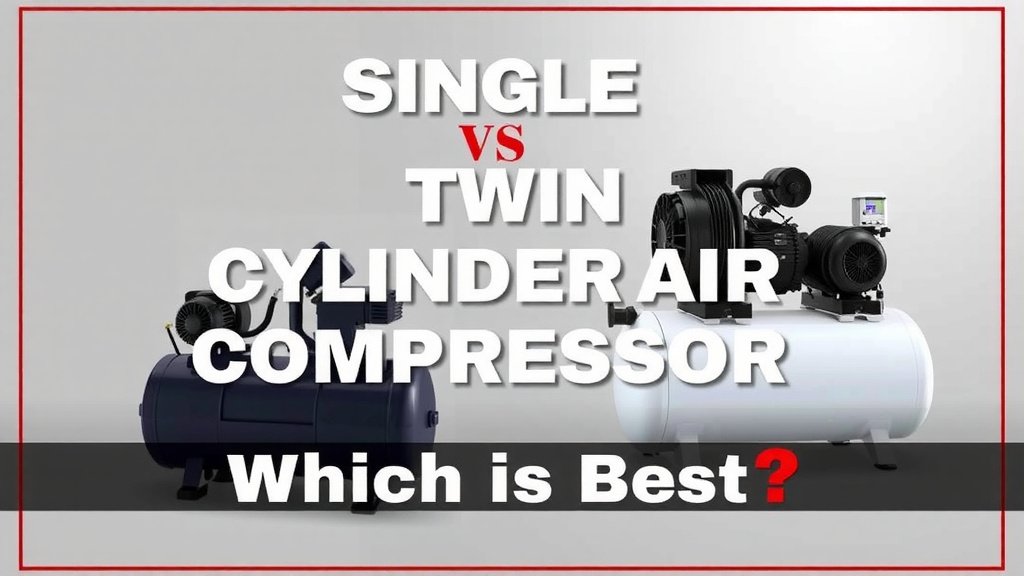
Single vs Twin Cylinder Air Compressor: Which Is Best
When choosing an air compressor, a single-cylinder unit is best for lighter jobs like inflating tires or powering small air tools, while a twin-cylinder model is generally better for heavier-duty tasks requiring more consistent airflow and pressure. You’ll want to match the cylinder type to your specific needs for the best performance and efficiency.
Think of it like this: a single cylinder is like a solo artist, good for smaller gigs. A twin-cylinder compressor is more like a band, capable of producing a bigger, more sustained sound. Many users find that understanding this basic difference is key to avoiding frustration and ensuring your tools get the air they need, whether you’re working on your car or a weekend DIY project.
- Single-cylinder: Great for light tasks, simpler, often more affordable.
- Twin-cylinder: Powers bigger tools, provides more air, usually larger.
- Matching your compressor to your job is key.
- Consider your typical use before buying.
Let’s walk through the differences between single and twin-cylinder air compressors so you can make the right choice for your workshop.
Understanding Cylinder Counts in Air Compressors
Choosing the right air compressor can feel like a big decision. One of the key differences you’ll notice is the number of cylinders. This might seem small, but it greatly affects how your compressor performs. We’re going to break down what single and twin-cylinder compressors do. This will help you figure out which one fits your needs best.
The Core Difference: How Cylinders Work
At its heart, an air compressor uses cylinders to compress air. Think of a cylinder as a pump. Air gets pulled in, squeezed down, and then pushed out. The number of these “pumps” matters a lot.
Single-Cylinder: The Solo Performer
A single-cylinder compressor has one pump. This means it does all the air compressing work by itself. It’s like a single musician playing a tune. For smaller jobs, this is often perfectly fine.
They are generally simpler in design. This can lead to easier maintenance. You’ll often find them to be more affordable upfront. They are a good entry point for many DIYers and homeowners.
Twin-Cylinder: The Dynamic Duo
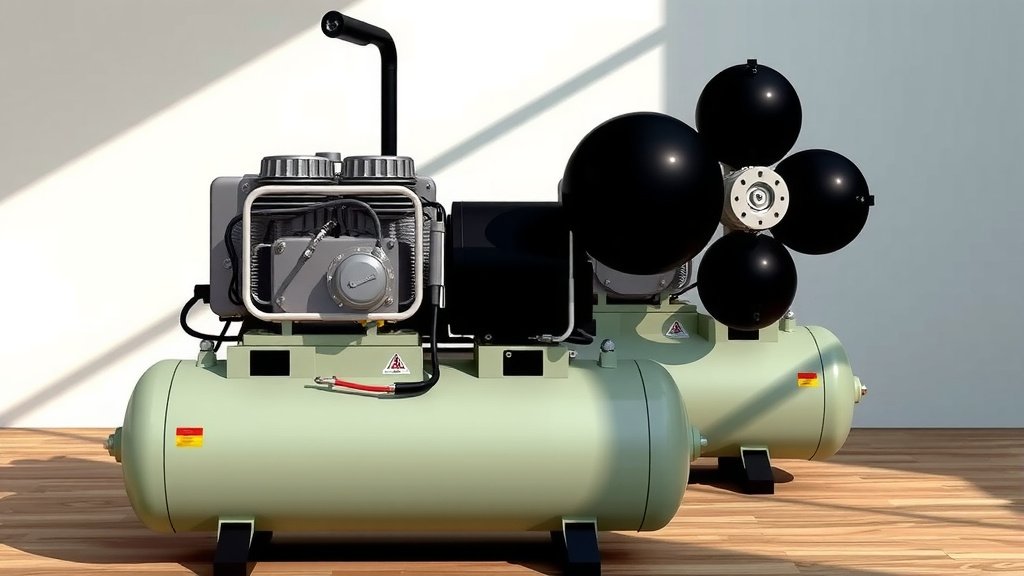
A twin-cylinder compressor has two pumps working together. These two cylinders can work in sequence or simultaneously. This pairing means more air can be compressed. It’s like having two musicians playing in harmony. This results in a more consistent and powerful air supply.
The two cylinders share the workload. This often means they can run cooler than a single cylinder pushed to its limit. Many users report a smoother operation with twin-cylinder models. They are built for more demanding tasks.
Performance Differences: Airflow and Pressure
The number of cylinders directly impacts how much air your compressor can deliver. This is measured in Cubic Feet per Minute (CFM). It also affects the maximum pressure, measured in Pounds per Square Inch (PSI).
Airflow (CFM)
Single-cylinder compressors usually produce less CFM. This is suitable for tools that don’t use a lot of air. Think of inflating a bike tire or using a brad nailer. These tasks require lower volumes of air.
Twin-cylinder compressors offer higher CFM ratings. This is essential for tools that need a continuous, large volume of air. Examples include impact wrenches, sanders, or spray paint guns. More CFM means your tool will run longer without the compressor needing to catch up.
Pressure (PSI)
Both types can generally reach similar PSI levels. However, the ability to maintain that pressure under load is where twin-cylinders often shine. A single cylinder might struggle to keep up with the demand.
For most common tasks, a single-cylinder compressor will reach adequate pressure. But if your tools often demand sustained power, you’ll appreciate the consistent output of a twin. We found that tool manufacturers often list the required CFM and PSI. Checking this is a smart first step.
Applications: Matching Compressor to Task
The best compressor for you depends entirely on what you plan to do with it. Let’s look at common scenarios.
Best Uses for Single-Cylinder Compressors
These are your go-to for light-duty jobs. Inflating car tires, topping off bicycle tires, and powering small air tools like brad nailers or staplers are perfect fits. They are also great for dusting off surfaces or powering small airbrushes.
If you’re a hobbyist who uses air tools occasionally, a single-cylinder unit is likely sufficient. They are less likely to drain your wallet. You also won’t need a huge amount of space to store them. Many research findings support their use for basic home maintenance and DIY projects.
Best Uses for Twin-Cylinder Compressors
Twin-cylinder compressors are built for heavy-duty and continuous use. Mechanics often rely on them for air-powered tools like impact wrenches and ratchets. Automotive shops use them for tasks like sandblasting or running paint sprayers all day.
If you’re a serious DIYer or a professional, a twin-cylinder unit will serve you better. They can handle the demands of larger air tools. Plus, they can keep up with tasks that require prolonged use of compressed air. Many professionals cite the durability and sustained performance as key benefits.
Factors to Consider Beyond Cylinder Count
While cylinder count is a major factor, other elements contribute to your decision. Don’t overlook these:
Horsepower (HP) and Tank Size
Higher HP generally means more power and faster air production. The tank size determines how much air you can store. A larger tank means longer run times for your tools before the compressor motor kicks in. For twin-cylinder units, you’ll often see higher HP ratings.
Portability and Noise Level
Single-cylinder compressors are often smaller and lighter, making them more portable. Twin-cylinder models tend to be larger and heavier, though many still have wheels for easier movement. Noise is another factor; some twin-cylinder designs are engineered for quieter operation, which can be a big plus.
Maintenance and Durability
Both types require regular maintenance, like draining the tank. Single-cylinder units might have fewer parts, potentially leading to simpler upkeep. However, twin-cylinder compressors are often built with heavy-duty components to withstand more demanding work.
Quick Comparison: Single vs. Twin Cylinder
Let’s sum up the key differences in a simple table.
| Feature | Single-Cylinder | Twin-Cylinder |
|---|---|---|
| Airflow (CFM) | Lower | Higher |
| Pressure Maintenance | Can drop under load | More consistent |
| Best For | Light tasks, DIY, occasional use | Heavy-duty, continuous use, professional |
| Complexity | Simpler | More complex |
| Cost | Generally lower | Generally higher |
| Size/Weight | Often smaller and lighter | Often larger and heavier |
Your Checklist for Choosing the Right Compressor
Before you decide, run through this quick checklist:
- What types of tools will you power?
- How often will you use the compressor?
- Do your tools require high CFM or consistent pressure?
- What is your budget for this purchase?
- How much space do you have for storage and operation?
- Is portability a major concern for you?
Conclusion
You’ve learned that the choice between a single-cylinder and twin-cylinder air compressor boils down to your specific needs. For simple tasks like inflating tires or using light-duty air tools, a single-cylinder unit is often the perfect fit, offering affordability and ease of use. If your work involves powering larger tools or requires a steady, high volume of air, a twin-cylinder compressor provides the necessary performance and consistency. By matching the compressor’s capabilities to your intended applications, you’ll ensure efficient operation and get the most out of your tools.
Your next step is to look at the tools you plan to use most and check their CFM and PSI requirements. This will give you a clear target for your compressor search.
Frequently Asked Questions
Can a single-cylinder compressor handle an impact wrench?
Generally, a single-cylinder compressor is not recommended for most impact wrenches. Impact wrenches typically require a higher and more consistent CFM than a single-cylinder unit can provide, which could lead to the tool performing poorly or not working at all. You’ll likely need a twin-cylinder model for this kind of tool.
Are twin-cylinder compressors much louder than single-cylinder ones?
This can vary greatly by model and design. While twin-cylinder compressors have more moving parts, many manufacturers engineer them for quieter operation. Some single-cylinder units can also be quite loud, especially if they are older or simpler designs. Always check product specifications for noise level ratings (measured in decibels) if this is a concern for you.
How do I know if my tools need high CFM?
The best way to know is to check your tool’s manual or specifications. Manufacturers will list the required CFM (Cubic Feet per Minute) at a specific PSI (Pounds per Square Inch) for optimal performance. If your tools are designed for continuous use or require a lot of air to operate, they likely need a higher CFM.
Is a twin-cylinder compressor overkill for home DIYers?
Not necessarily. If your DIY projects involve using tools like spray guns, sanders, or multiple air tools in succession, a twin-cylinder compressor might be a wise investment. While a single-cylinder can handle basic tasks, a twin-cylinder offers the power and endurance for more ambitious projects, ensuring you won’t be limited by air supply.
What kind of maintenance do these compressors typically need?
Both single and twin-cylinder compressors require regular maintenance. The most common task is draining moisture from the air tank to prevent rust and damage. You’ll also want to check and possibly replace air filters periodically. Following the manufacturer’s maintenance schedule will ensure a longer lifespan and reliable performance for your compressor.