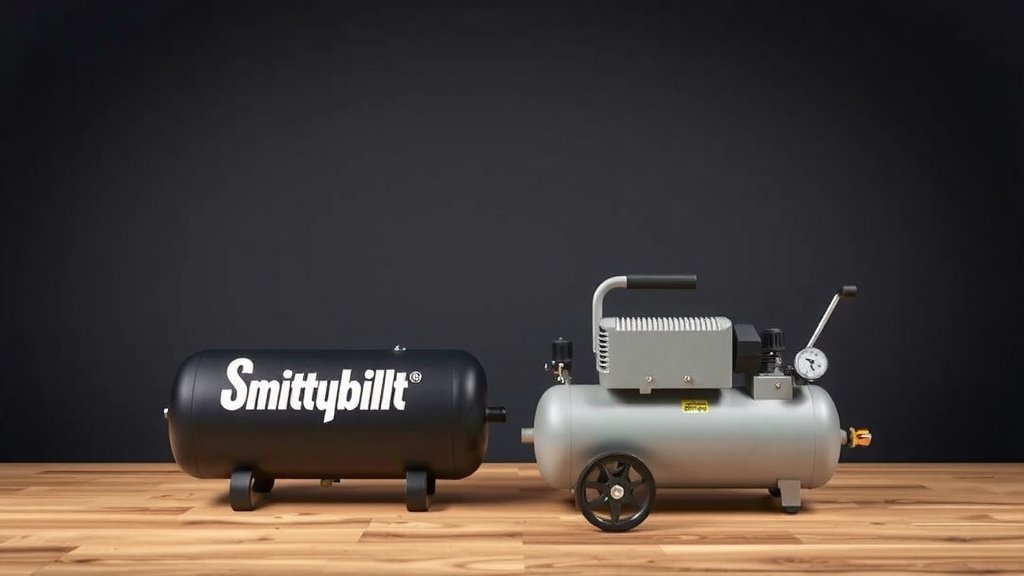
Smittybilt vs Viair Air Compressor: Which is Best
Choosing between a Smittybilt air compressor and a Viair air compressor often comes down to your specific off-roading needs and budget. While both are popular choices, Viair generally offers a slightly more robust and feature-rich lineup, making them a go-to for frequent, heavy-duty use, whereas Smittybilt provides excellent value, especially for those starting out.
When you’re out on the trail, having reliable tire inflation is key to a smooth ride and safe handling. Both brands are known for their durability and performance, but their specific models cater to different priorities, whether that’s maximum airflow or compact portability for your rig.
- Viair is often favored for its higher duty cycles and faster inflation speeds.
- Smittybilt is recognized for its great performance at a lower price point.
- Consider your tire size and how often you’ll use it.
- Both offer dependable solutions for airing up.
We’ve looked at the specs and user feedback on both these top contenders. Let’s break down which compressor might be the best fit for your adventures on and off the pavement.
Comparing Smittybilt and Viair Air Compressors for Your Off-Road Rig
When you’re looking to upgrade your off-road gear, choosing the right air compressor is a big decision. You want something dependable. Something that can keep up with your adventures. We’ve looked closely at two of the most popular brands: Smittybilt and Viair. Both are solid choices. But they each have their strengths. Understanding these differences will help you pick the perfect one for your needs.
Understanding Air Compressor Needs: What’s Important to You?
Before we dive into the specifics, let’s think about what matters most to you. Are you a weekend warrior hitting the trails occasionally? Or are you constantly out exploring, pushing your rig to its limits? Your answer really guides which compressor will serve you best. We found that several key factors come into play.
Duty Cycle: How Long Can It Run?
One of the biggest differences is the duty cycle. This tells you how long a compressor can run before needing a break to cool down. Higher duty cycles mean you can air up more tires or inflate them faster without overheating the unit. For frequent use or large tires, a higher duty cycle is a must. We found that Viair often leads in this area.
Airflow Rate: Speed Matters
Another critical spec is the airflow rate A higher airflow rate, measured in CFM, means faster inflation, and our guide to air compressor hoses can help you maximize this., measured in CFM (cubic feet per minute). A higher CFM means faster inflation. If you’re airing up 35-inch tires after a day of off-roading, every minute counts. Faster is always better when you’re ready to hit the road again. Some compressors are built for speed, others are more for general use.
Tire Size and Number of Tires
Think about the size of your tires. Bigger tires need more air. If you’re running massive 37-inch or larger tires, you’ll need a more powerful compressor. Also, consider how many tires you typically need to air up. Are you just doing your own vehicle, or are you often helping out friends?
Portability and Mounting
Where will your compressor live? Some are portable, meaning you can easily take them out of your vehicle. Others are designed for permanent mounting. Portable units offer flexibility. Mounted units are convenient if you always need them ready to go. We found that both Smittybilt and Viair offer options in both categories.
Smittybilt Air Compressors: Great Value for Everyday Adventurers
Smittybilt is a brand many off-roaders trust. They’re known for providing solid performance without breaking the bank. If you’re just getting into off-roading or don’t need a super high-end system, Smittybilt is often a fantastic starting point. They balance features with affordability very well.
Popular Smittybilt Models and Features
One of their most popular units is the Smittybilt 2781 XRC Compressor. It’s a 12-volt compressor that can fill tires quickly. It’s also known for being relatively compact. This makes it a great choice for many Jeep and truck owners. It comes with a decent-length air hose and a nice carrying case. Many users find its performance perfectly adequate for their needs.
We found that the Smittybilt often boasts a duty cycle around 50% at 100 PSI. This is good for occasional use. It’s built with a robust casing to handle the bumps and vibrations of off-road travel. The ease of use is another big plus. You can usually plug it right into your cigarette lighter or battery terminals.
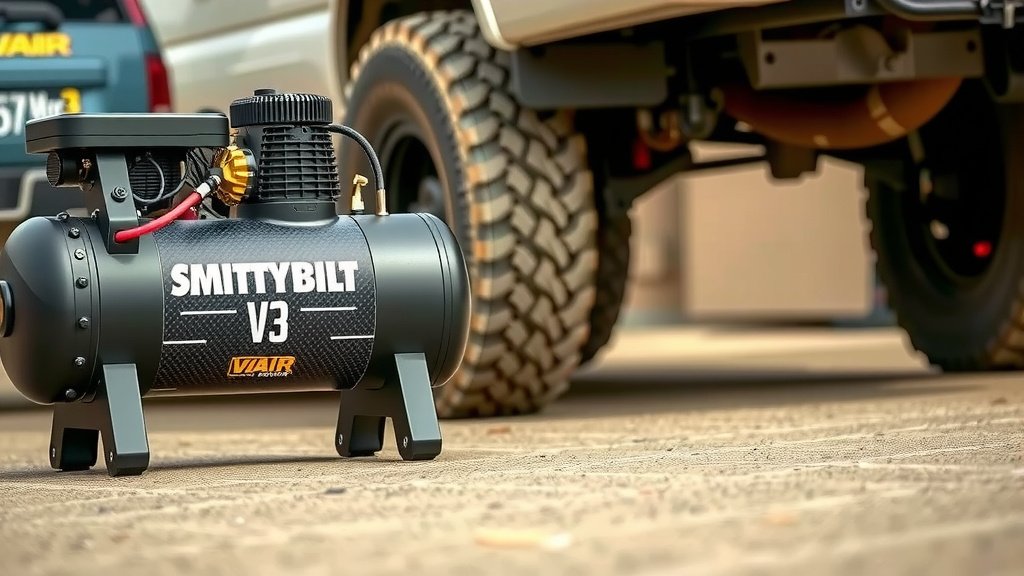
Viair Air Compressors: The Professional’s Choice for Heavy-Duty Use
Viair has built a strong reputation for producing high-performance air compressors. They are often the go-to for serious off-roaders, overland travelers, and even professional mechanics. If you demand the best and plan on using your compressor frequently or for demanding tasks, Viair is definitely worth a close look.
Viair’s Range: From Compact to Heavy-Duty
Viair offers a wide array of compressors. They have smaller, portable units like the 88P, which is great for cars and smaller SUVs. For those with larger tires or who need to power air tools, models like the 450C or even the 400C are very popular. We found that many of these Viair models offer higher CFM rates and significantly longer duty cycles.
For example, some Viair compressors can run at 100% duty cycle at 100 PSI. This means they can run continuously. This is a huge advantage if you have multiple vehicles to air up or very large tires that take a long time to inflate. The build quality is also often noted as being exceptionally high.
Performance Differences: What the Numbers Say
When we compare typical models side-by-side, the differences become clear. Let’s look at a general comparison:
| Feature | Smittybilt (Typical) | Viair (Typical) |
|---|---|---|
| Max Pressure | 150 PSI | 150 PSI |
| Duty Cycle @ 100 PSI | ~50% | ~100% (on many models) |
| CFM @ 0 PSI | ~2.4 CFM | ~2.3 – 5.0+ CFM (varies by model) |
| Target User | Occasional use, standard tires | Frequent use, large tires, demanding tasks |
| Price Point | More affordable | Higher investment |
This table highlights that while both can reach similar pressures, Viair often offers superior endurance and sometimes faster airflow, especially in their higher-end models. This translates to less waiting time and more capability when you’re out exploring.
Making Your Choice: A Quick Checklist
To help you decide, think through these points:
- How often will you use your air compressor?
- What size tires do you have on your vehicle?
- Do you need to air up multiple vehicles or just your own?
- What is your budget for this upgrade?
- Are you looking for a permanent mount or something portable?
- Do you ever plan to run air tools off your compressor?
By answering these, you’ll have a much clearer picture of whether a Smittybilt or Viair unit is the right fit for your adventures.
Conclusion
When it comes to choosing between a Smittybilt and a Viair air compressor, your off-road adventures are the deciding factor. If you’re a weekend warrior or just starting out, a Smittybilt offers excellent performance and great value for airing up your tires. For those who demand longer run times, faster inflation on larger tires, or frequent heavy-duty use, Viair is often the superior choice, providing that extra bit of reliability. Consider your typical usage and tire size carefully. Then, make the investment that best fits your trail needs and budget.
Frequently Asked Questions
Which brand is better for airing up large off-road tires quickly?
For the fastest inflation of larger tires, Viair generally holds the edge. Many of their models offer higher CFM (cubic feet per minute) ratings, meaning they move more air. This translates to less waiting time when you’re ready to get back on the road after a day on the trails.
Is a Smittybilt compressor powerful enough for occasional use?
Yes, a Smittybilt compressor is more than capable for occasional use. They provide solid performance for airing up standard-sized tires after a moderate off-road excursion. You’ll find their duty cycles are sufficient for most weekend warriors.
Can I use either compressor to power air tools?
While some higher-end Viair compressors might be able to run small air tools for short periods, neither brand’s typical portable units are primarily designed for this. Powering air tools usually requires a more robust, dedicated air compressor system.
Which compressor is more portable and easier to store?
Both brands offer portable options, but Smittybilt often focuses on more compact, all-in-one units that are easy to stow. Viair also has portable models, but their higher-performance units can sometimes be larger or part of a more involved setup.
What is the main difference in longevity between Smittybilt and Viair?
Viair compressors are often built with higher-duty cycles and more robust components, which can lead to longer operational life with frequent, demanding use. Smittybilt compressors are reliable for their intended use, but may not withstand the same level of continuous heavy use over many years.