What Is a Front Loading Washer and How Does It Work
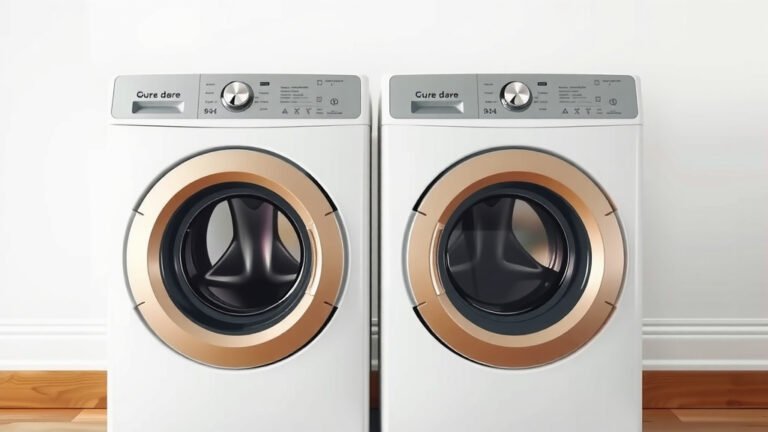
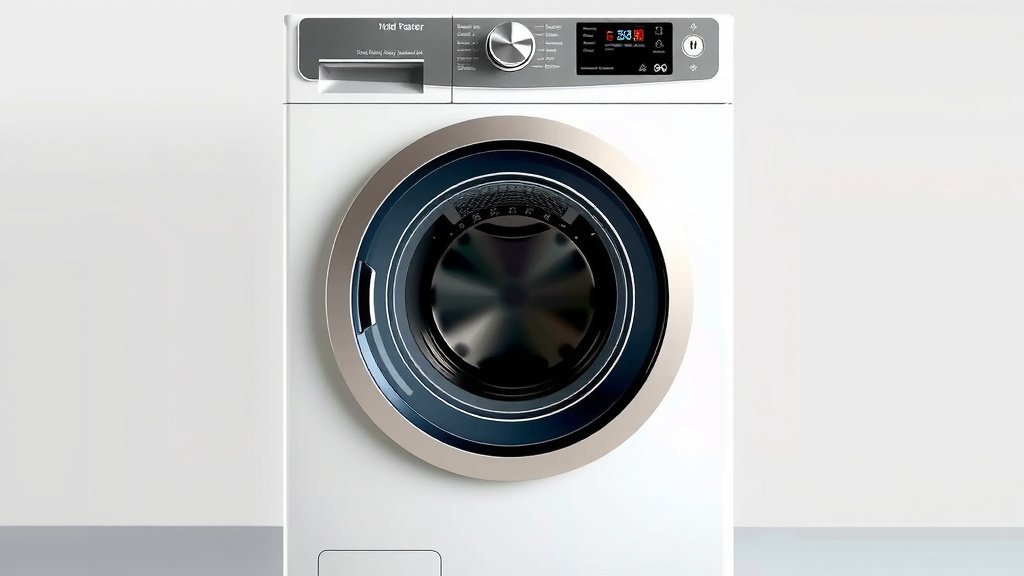
A front loading washer is a type of washing machine where the door is located on the front. You load your clothes through this door into a horizontal drum. These machines are known for their efficiency and gentleness on fabrics. They use gravity and tumbling action to clean clothes effectively.
Unlike older top-loading models, front loaders often use less water and energy. This can lead to cost savings on your utility bills. Many people also find their washing performance to be superior. They can handle larger loads and offer more wash cycle options.
- Front load washers have a door on the front.
- They tumble clothes for cleaning, saving water and energy.
- Often provide a better wash performance.
- Can handle larger loads compared to some top-loaders.
Ready to learn more about how these efficient machines work and if one is right for your home? Let’s dive into the details of front loading washers.
“`htmlUnderstanding the Mechanics of Front Loading Washers
So, what exactly makes a front loading washer tick? It’s all about how it gets your clothes clean. Instead of an agitator or impeller found in some top-loaders, front loaders use a horizontal drum. You load your clothes into this drum through the door on the front of the machine. When you start a cycle, the drum spins. This tumbling action lifts your clothes up and then drops them back into the water and detergent. This is where the magic happens!
This tumbling motion mimics how you might wash clothes by hand. It uses gravity to your advantage, allowing clothes to agitate against each other. This gentle yet effective cleaning process is a hallmark of front loaders. Many people find that this method is kinder to fabrics, reducing wear and tear over time. You’ll notice your clothes looking newer for longer.
How the Tumbling Action Works
Imagine your clothes taking a ride in a gentle amusement park ride. That’s kind of what happens inside a front loader. The drum rotates, lifting the clothes to the top. Then, as gravity takes over, the clothes fall back down into the water and detergent mixture. This constant lifting and dropping action ensures that every part of your laundry gets exposed to the cleaning solution. It’s a thorough yet gentle way to tackle dirt and stains.
The speed and direction of the drum’s spin can vary depending on the wash cycle. For delicate items, the drum might spin slower with shorter tumbling periods. For heavily soiled items, it might spin faster and tumble more vigorously. This adaptability means you can tailor the wash to the specific needs of your garments. You’re not stuck with a one-size-fits-all approach to laundry day.
Water and Energy Efficiency: A Big Plus
One of the most frequently praised aspects of front loading washers is their efficiency. Because the drum spins horizontally, it only needs to fill with enough water to cover about a third of the load. Compare this to many top-loading machines where the drum needs to be mostly submerged. This water-saving aspect is a big win for your utility bills and the environment. You’re using less water with every wash.
This reduced water usage also means less energy is needed to heat the water. If you opt for a hot water wash, you’ll see a noticeable difference in your energy consumption. Many front loaders are also built with highly efficient motors and insulation. This further contributes to their lower energy footprint. Research consistently shows front-loaders use significantly less water and energy than older top-load models (Energy Star).
Understanding Water Levels
You might notice that your front loader doesn’t seem to use as much water as you’re used to. Don’t worry, that’s intentional! The machine is designed to be efficient. Sensors inside the drum detect the load size and water level needed. The drum will fill just enough to saturate the clothes and allow for the tumbling action. This smart water management is key to their efficiency.
Spin Speed and Energy Savings
Front loaders also boast impressive spin speeds, often reaching over 1,000 RPM. This high-speed spin extracts a significant amount of water from your clothes. What does this mean for you? It means your clothes come out of the washer much drier. Consequently, they spend less time in the dryer, leading to further energy savings on your electricity or gas bill. It’s a domino effect of efficiency!
Key Features and Benefits You’ll Love
Beyond their core cleaning mechanics, front loading washers come packed with features that make laundry day easier and more effective. Let’s look at some of the advantages you can expect.
Gentle on Clothes, Tough on Stains
As we touched on earlier, the tumbling action is inherently gentler than the harsh agitation of some top-loaders. This means less stretching, snagging, and pilling of your favorite garments. Your clothes will maintain their shape and texture for longer. This is especially beneficial for delicate items like sweaters, lingerie, or workout gear. You’re essentially giving your clothes a spa treatment.
Despite being gentle, front loaders are incredibly effective at removing stains. The combination of the tumbling action, high-quality detergents, and often, specialized wash cycles ensures that dirt and grime are lifted effectively. Many models offer steam functions or specialized stain removal cycles that tackle even the most stubborn marks. It’s a win-win for fabric care and cleaning power.
Larger Capacity and Better Cleaning Performance
Many front loading washers offer larger drum capacities compared to traditional top-loaders. This means you can wash more clothes in a single load. Think about it: fewer loads mean less time spent doing laundry. You can tackle that family-sized pile of clothes with ease. This convenience factor is a huge draw for busy households.
Research and consumer reports often highlight the superior cleaning performance of front loaders. The way the clothes tumble through the water and detergent leads to a more even and thorough clean. Stains are often removed more effectively, and clothes come out fresher. Many users report a noticeable improvement in their laundry’s overall appearance and cleanliness after switching to a front loader.
Versatile Wash Cycles and Settings
Front loaders typically come equipped with a wide array of wash cycles designed for specific needs. You’ll find cycles for everything from everyday cottons and permanent press to delicates, wool, and even quick washes. Many also offer customizable options for water temperature, spin speed, and soil level. This allows you to truly optimize each wash for the best results.
Some advanced models even include features like sanitization cycles (using higher temperatures to kill germs, a feature recommended by health organizations like the CDC for certain items), steam cycles for wrinkle reduction, or allergen cycles designed to remove pet dander and dust mites. The level of control you have over your wash is truly impressive.
Installation and Design Considerations
Front loading washers are often designed to fit under countertops, making them a popular choice for smaller laundry spaces or apartments. Their sleek design can also complement modern home aesthetics. When installing, it’s important to ensure the machine is level. This prevents excessive vibration and noise during operation. Many machines come with adjustable feet to help with this. Proper installation is key to a quiet and efficient operation.
You’ll also find that many front loaders can be stacked with a matching dryer using a special kit. This is a fantastic space-saving solution for homes with limited laundry room real estate. If you’re tight on space, this stacking option can be a real lifesaver. Just be sure to check the manufacturer’s recommendations for stacking compatibility.
What to Look For in a Front Loader: A Quick Checklist
Thinking about making the switch? Here are a few things to keep in mind:
- Capacity: How many pounds of laundry do you typically wash?
- Energy Efficiency: Look for an Energy Star certified model.
- Spin Speed: Higher RPMs mean drier clothes.
- Noise Level: Check reviews for quieter models.
- Special Cycles: Do you need specific cycles like steam or sanitize?
- Budget: Prices can vary widely based on features.
Common Concerns and How to Address Them
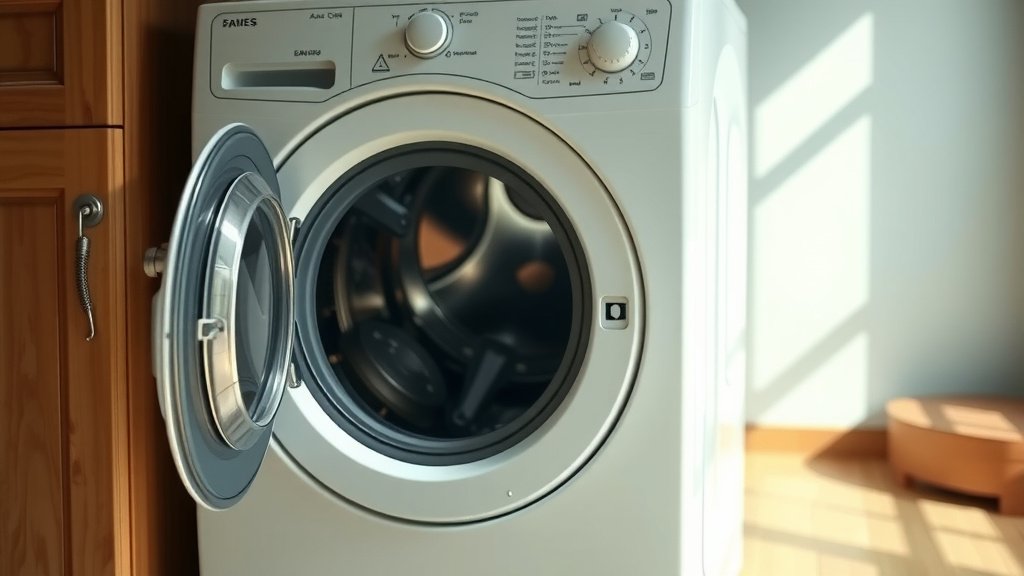
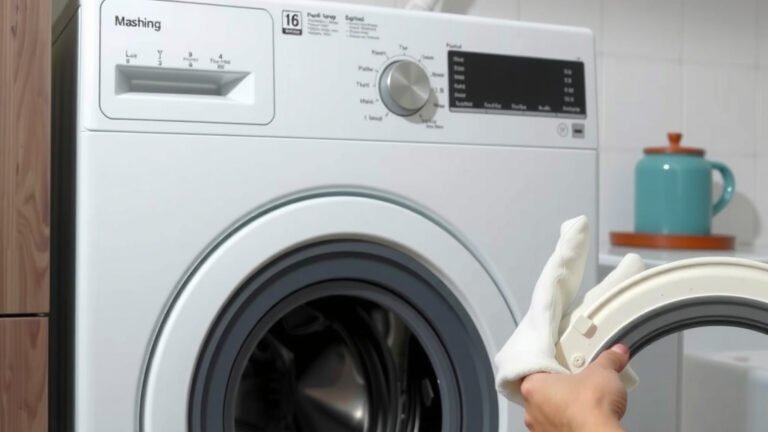
Some people express concerns about mold or mildew buildup around the door seal of front loaders. This is a valid point, but it’s easily preventable. The key is to leave the door ajar between washes. This allows air to circulate and the seal to dry out. Wiping down the seal occasionally with a damp cloth also helps tremendously. It’s a small habit that makes a big difference.
Another consideration is the bending required to load and unload clothes. If bending is an issue for you, consider placing the machine on a pedestal. Pedestals are available from most manufacturers and raise the machine to a more comfortable height. This small adjustment can make a world of difference for your back. It’s about making the machine work for you.
| Feature | Front Loader | Typical Top Loader |
|---|---|---|
| Loading Door | Front | Top |
| Cleaning Action | Tumbling | Agitation/Impeller |
| Water Usage | Low | High |
| Energy Usage | Low | High |
| Gentleness on Clothes | High | Moderate to Low |
| Spin Speed | High (1000+ RPM) | Moderate (600-800 RPM) |
| Stackable Design | Often | Rarely |
Conclusion
You’ve learned that a front loading washer is a modern appliance designed for efficiency and fabric care. Its tumbling action cleans clothes gently yet thoroughly, using less water and energy. You’ll enjoy larger capacities, more wash options, and clothes that come out cleaner and drier. By understanding its mechanics and features, you can confidently choose a front loader that fits your needs and budget. Consider a front loader if you’re looking for a smarter, gentler, and more economical way to do your laundry.
Frequently Asked Questions
Do front loading washers really clean better?
Yes, research and user reports often indicate that front loaders provide a superior clean. The tumbling action allows clothes to move freely through the detergent and water, ensuring better contact and stain removal compared to traditional agitator models.
Are front loaders worth the extra cost?
Many find front loaders to be a worthwhile investment due to their long-term savings on water and energy bills. Their gentleness on fabrics can also extend the life of your clothes, saving you money on replacements over time.
How do I prevent mold or mildew in my front loader?
To prevent mold and mildew, it’s recommended to leave the door ajar after each use to allow air circulation. Regularly wiping down the door seal with a damp cloth also helps keep it dry and clean.
Can I wash small loads in a front loader?
Front loaders are generally efficient for all load sizes, but some models have sensors that adjust water levels for smaller loads. You might find they perform best when not overloaded, allowing clothes ample room to tumble.
Are front loaders noisy?
Modern front loaders are designed to be quieter than older models, especially during the wash cycle. However, the high-speed spin cycle can produce some vibration. Ensuring the machine is level during installation can significantly reduce noise.
![7 Best Stackable Washer Dryer For Small Spaces [In 2026]](https://homeunderstandable.com/wp-content/uploads/2026/09/7-best-stackable-washer-dryer-for-small-spaces-in-2026-featured-768x432.jpg)
![7 Best Brand Washing Machine [In 2026]](https://homeunderstandable.com/wp-content/uploads/2026/08/7-best-brand-washing-machine-in-2026-featured-768x432.jpg)
![7 What Are The Best Washer And Dryers [In 2026]](https://homeunderstandable.com/wp-content/uploads/2026/09/7-what-are-the-best-washer-and-dryers-in-2026-featured-768x432.jpg)