Vented Dryers Explained: How They Work and Pros
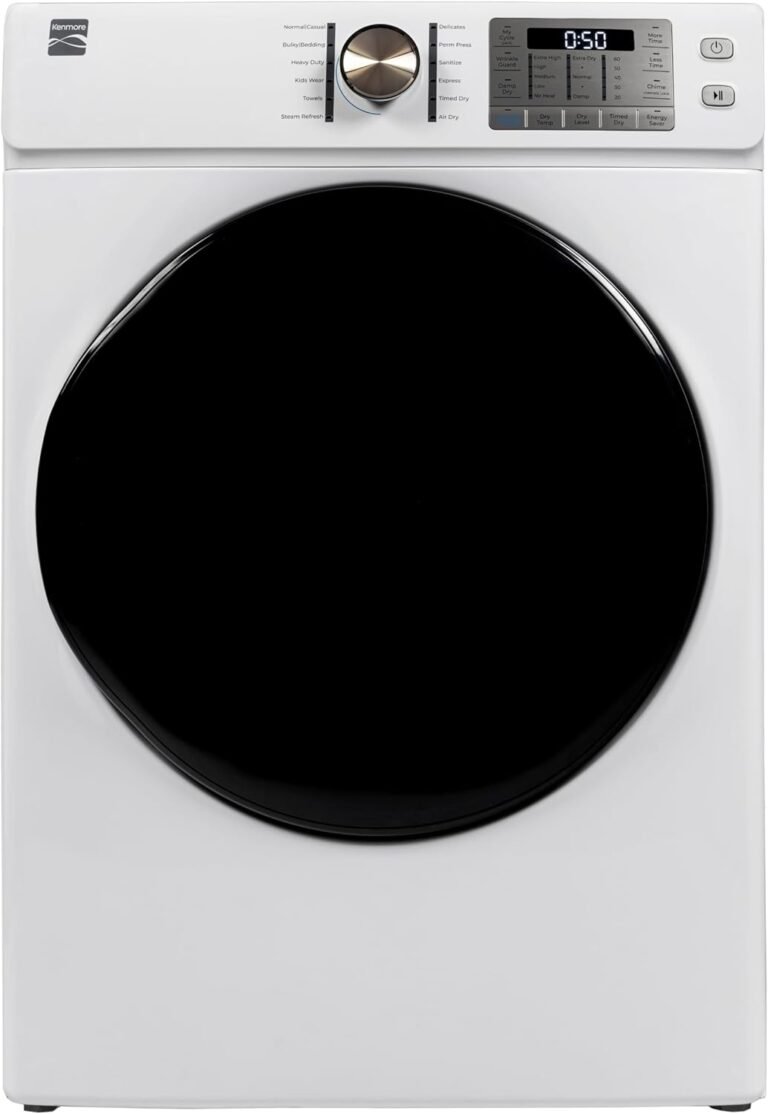
A vented clothes dryer is a machine that dries your laundry by pulling in room air, heating it, and then blowing the hot, moist air out of your home through a vent hose. It works by continuously replacing damp air inside the drum with fresh, hot air until your clothes are dry.
You probably have one if you see a big, flexible silver hose running from your machine to a hole in the wall. They are the most common type of dryer in the US because they are usually cheaper to buy and install than newer ventless models. We found that they do a great job on heavy items like towels and jeans, but they do pull conditioned air out of your house, which can affect your energy bills.
- How it works: Uses outside air to dry clothes and pushes moisture out through a duct.
- Installation: Requires a dedicated vent to the outside of your home.
- Best for: Heavy fabrics, large loads, and homes with existing venting.
- The catch: Can make your laundry room hot and increase cooling costs in summer.
- Maintenance: Lint trap must be cleaned every load, and the duct needs periodic cleaning.
So, is this the right setup for your laundry room? Let’s walk through exactly how a vented dryer works, what you need to install one, and how to keep it running safely.
Understanding the Vented Dryer Basics
A vented dryer is the classic workhorse of American laundry rooms. You load your wet clothes, press start, and the machine pulls in air from the room around it. That air gets heated and blown through the tumbling drum.
The moisture from your clothes turns into warm, humid air. The dryer then pushes that damp air out of your home through a flexible hose and a wall vent. This continuous cycle of fresh, hot air is what dries your laundry.
We found that this is the most straightforward drying method out there. It is simple, effective, and has been the standard for decades. If you are looking at a new dryer, understanding this basic airflow is the first step.
Why This Design Has Stood the Test of Time
This system works because it uses brute force. It moves a lot of air, very quickly. That is why vented dryers are usually faster at drying large loads than their ventless counterparts.
Many experts say that the sheer volume of air movement makes these machines highly efficient for heavy fabrics. You get the job done without the need for complex heat pump technology or water reservoirs.
It is a simple trade-off. You exchange indoor air for dryer efficiency. For many households, that is a deal they are happy to make.
The Core Mechanics Inside Your Machine
Let’s look under the hood for a second. The process is a cycle of four main parts working together. Each one relies on the others to get your clothes dry.
You do not need to be an engineer to get this. Once you see how it flows, you will understand why maintenance matters so much.
Air Intake and the Heating Element
The journey starts at the air intake. This is usually a grille on the back or side of the machine. The dryer pulls in the air from your laundry room.
That air then passes over a heating element. This is usually electric coils or a gas burner. The air gets hot very fast, just like a toaster oven.
This hot air is then pushed into the drum where your wet clothes are tumbling. The heat helps the water in the fabric evaporate into the air.
We found that this step is where the energy gets used. The hotter you set the cycle, the more energy the heater uses to warm that incoming air.
The Drum and the Tumbling Action
Inside the drum, the motor turns a belt that rotates the cylinder. This tumbling action is not just for show. It physically lifts the clothes and drops them.
This motion exposes more surface area of the fabric to the hot air. It also prevents clothes from clumping into a wet ball in the center. A clump of clothes takes forever to dry.
This is why you should not overload your dryer. The tumbling needs room to work effectively. Without proper movement, you get uneven drying and wrinkles.
Lint Filter and Airflow Path
As the air picks up moisture, it also picks up lint and fibers from your clothes. This dirty air passes through a mesh screen called the lint filter. You clean this screen after every single load.
This screen catches the fuzz before it goes further. If you skip cleaning it, the airflow slows down. This makes your dryer work harder and longer, wasting energy.
Research and found data from the U.S. Fire Administration highlights that lint buildup is a major cause of dryer fires. Keeping that filter clean is your first line of defense against overheating.
Where the Heat Goes: The Venting System
The venting system is the part that makes a vented dryer different from all others. It is the exhaust pipe for your machine. It carries the hot, moist, lint-filled air from your drum to the outdoors.
This system is usually made of a semi-rigid metal hose or a rigid metal duct. It connects from the back of your dryer to a hole in your wall, floor, or ceiling.
We found that the quality of this duct work matters more than most people think. A crushed or kinked hose will ruin your dryer’s performance.
The Role of the Wall Cap and Exhaust
On the outside of your home, there is a vent cap. This is the little flap you see on your exterior wall or roof. It opens when the dryer blows air out and closes when it stops.
This cap keeps rain, bugs, and rodents out of your duct when the dryer is off. It also prevents cold drafts from blowing into your home during winter.
You should check this cap outside. Make sure it opens and closes properly. A stuck flap can trap heat and moisture inside your house.
Rigid Metal vs. Flexible Foils
Here is the honest truth: flexible plastic foil hoses are the worst option. They sag, they trap lint, and they can be crushed by boxes in storage. Many experts say to avoid them entirely.
Rigid metal ducts are the gold standard. They are smooth inside, which lets air flow freely. They also do not sag or trap lint as easily.
Semi-rigid metal hoses are a middle-ground choice. They are easier to install than rigid pipes but still safer than foil. If you have a tight corner, this is a good compromise.
Installation Requirements for a Vented Dryer
Before you buy a vented dryer, you need to check your space. The installation is not just about plugging it in. You need the right setup to vent the air outside safely.
This is the single biggest constraint of owning one of these machines. If you do not have ducting, you cannot use a vented dryer.
Proximity to an Exterior Wall
Your dryer needs to be close to an outside wall or an accessible roof. The duct run should be as short and straight as possible. Every bend in the duct slows down the airflow.
Longer ducts mean more area for lint to build up. They also mean your dryer has to push harder to exhaust the air. The best installation is a straight shot to the outside.
If your laundry room is in the middle of the house, a vented dryer is likely not the best fit. You would need a very long, complicated duct run back to the exterior wall.
Electrical and Gas Connections
Vented dryers come in two flavors: electric and gas. Electric dryers need a dedicated 240-volt outlet. This is a special plug that is usually larger than standard outlets.
Gas dryers also need that 240-volt outlet for the motor and controls. But they also need a gas line and proper ventilation for combustion gasses. This is a job for a professional plumber or HVAC technician.
We found that gas dryers cost more upfront to install but often cost less to run. They heat up faster and use less energy than electric models. You should check your utility rates to see which makes sense for you.
Weighing the Practical Advantages
There is a reason vented dryers are the default choice in most American homes. They offer practical benefits that make daily life easier. Let’s look at the good side of the coin.
We found that these benefits are the reason people are often hesitant to switch to newer, more expensive ventless technology.
Faster Drying Times and Lower Upfront Cost
The most obvious win is the price tag. Vented dryers are generally the cheapest type of dryer you can buy. If you are on a budget, this is your friend.
They also dry clothes quickly. The high volume of air moving through the drum removes moisture fast. You are less likely to have to run a second cycle for a large load of towels.
This speed is a huge convenience. You can get through multiple loads of laundry in a single afternoon without waiting forever between cycles.
Gentler on Fabric with Less Thermal Stress
Because vented dryers use high airflow, they can often operate at lower temperatures than some ventless models. This is great for your everyday clothes and sheets.
Your clothes spend less total time in the machine. Less time tumbling means less wear and tear on the fabric fibers. This helps your favorite shirts last longer.
This makes vented dryers a solid choice for heavy items like denim jeans and thick cotton bath towels. They can handle the heat and airflow without damage.
The Downsides and Hidden Costs
Now, we have to be honest about the drawbacks. Vented dryers are not perfect. There are some real downsides that you should consider, especially if you live in a climate-controlled home.
We found that the biggest complaints all come back to that one simple word: airflow.
The “Air Conditioning Thief” Problem
Here is the big one. Your dryer pulls air from inside your laundry room. In the summer, that is cool, conditioned air from your AC. In the winter, it is warm, heated air from your furnace.
The dryer then throws that expensive air right outside. This creates negative pressure in your home, which forces outside air back in through gaps around doors and windows.
The U.S. Department of Energy highlights that this can make your home less efficient. You are literally paying to heat or cool air, and then paying to blow it outside.
This trade-off can increase your heating and cooling bills. The effect is noticeable in extreme climates. You might notice your AC running longer on laundry day.
Moisture and Temperature in the Laundry Room
If your duct has a leak, you will feel it. The air exhausted from the dryer is hot and wet. If it escapes into your laundry room, it raises the temperature and humidity.
This makes the room feel stuffy and uncomfortable. It can also lead to mold growth on walls and ceilings if the moisture lingers.
You can mitigate this with a fan or an open window. But that defeats the purpose of a sealed system. Proper duct maintenance is critical to avoid this issue.
Critical Maintenance for Safety and Performance
A vented dryer is a workhorse, but it needs attention. Ignoring maintenance is how dryer fires start. It is also how dryers stop drying effectively.
We found that a little routine care goes a long way. You can prevent expensive repairs, waste, and dangerous situations with a few simple habits.
The Lint Trap: Clean It Every Single Time
This is non-negotiable. Pull the lint screen out and scrape the fuzz off with your hand. Do this before you start a new load. It takes ten seconds and saves you money.
Lint is highly flammable and restricts airflow. A clean lint trap allows maximum airflow. This means faster drying times and lower energy consumption.
Make it a habit. Think of it like brushing your teeth—you just do it without thinking.
Duct Cleaning and Annual Inspections
The vent pipe itself also needs attention. Lint escapes the filter and gets stuck to the walls of the duct over time. This reduces airflow and creates a fire hazard.
You should disconnect the duct and vacuum it out at least once a year. Or, you can hire a professional duct cleaning service to do it for you.
If your dryer takes multiple cycles to dry, or the clothes come out hotter than usual, check the duct. That is a sure sign of a blockage. The National Fire Protection Association recommends regular cleaning to prevent home fires.
Vented vs. Ventless: A Quick Comparison
You might be wondering how this stacks up against the newer ventless dryers on the market. It is a valid question. The answer depends on your home and your priorities.
Here is a simple breakdown of the main differences. We found this table helps people visualize the trade-offs quickly.
| Feature | Vented Dryer | Ventless Dryer |
|---|---|---|
| Installation | Needs duct to outside | No duct required |
| Upfront Cost | Generally cheaper | More expensive |
| Drying Speed | Faster for heavy loads | Often slower cycles |
| Energy Use | Pulls room air out | Recycles heat inside |
| Home Impact | Adds heat and humidity | Minimal room impact |