
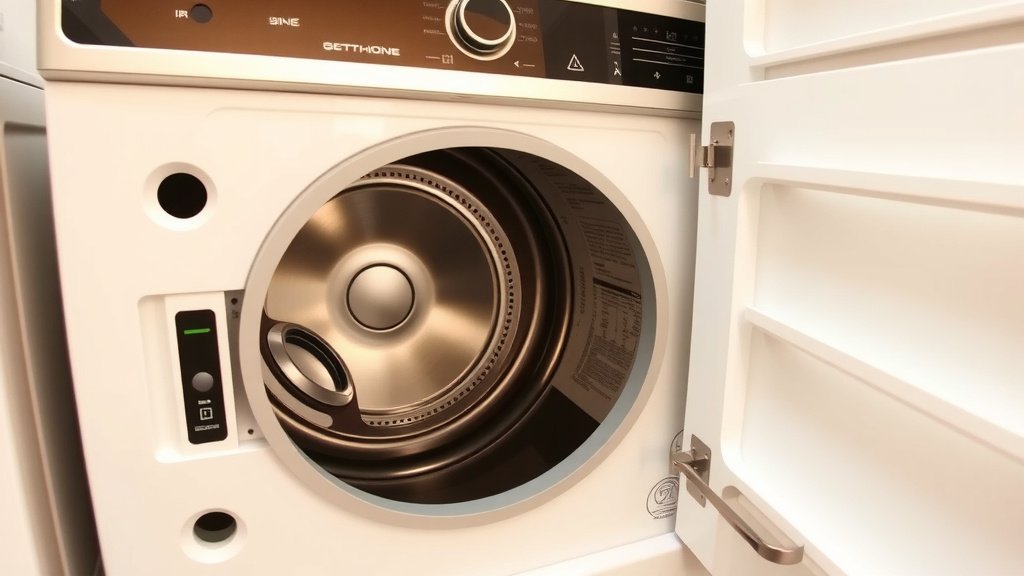
What’s Inside Your Unit Washer and Dryer
A unit washer and dryer is a single appliance that combines both washing and drying functions into one machine. This space-saving solution is perfect for apartments, small homes, or anyone looking to simplify their laundry routine without sacrificing convenience. You get the wash cycle and the dry cycle all in one compact unit.
Many people wonder if a combined unit works as well as separate machines. We found that modern unit washer and dryers offer impressive performance. They are designed to handle your laundry needs efficiently, making them a practical choice for many households. It’s a smart way to do laundry when space is tight.
- It’s one machine for washing and drying clothes.
- Great for small spaces like apartments.
- Saves you the hassle of moving wet clothes.
- Many units are energy-efficient.
- They come in different sizes to fit your needs.
Let’s walk through exactly what makes a unit washer and dryer so useful and what you should consider before getting one. Our guide to the best mid-size washer and dryer can help you find a suitable option.
Understanding Your All-in-One Washer Dryer
So, what exactly is a unit washer and dryer? Think of it as a super-smart laundry appliance that does both the washing and the drying for you. It’s a single machine, eliminating the need for two separate units. You load your dirty clothes, select your settings, and the machine handles the rest. It first washes your clothes, and then, without you lifting a finger, it dries them. This dual-functionality is its main selling point.
Many people ask if these combined units really work as well as their separate counterparts. We’ve found that modern versions are quite capable. They are designed to be efficient and effective. For those living in smaller spaces, like apartments or condos, this appliance can be a game-changer. It frees up space and simplifies the laundry process.
How Does an All-in-One Unit Work?
The magic happens inside a single drum. First, the unit fills with water and detergent, just like a standard washing machine. It agitates your clothes to get them clean. Once the wash cycle is complete, it drains the dirty water.
Here’s where it gets clever: instead of needing you to transfer the wet clothes to a dryer, the unit simply changes its operation. It might use a heating element and a fan to circulate hot air. This hot air evaporates the moisture from your clothes while the drum tumbles. Some models use a condenser system, which cools the moist air to remove water. This process continues until your clothes are dry.
The Wash Cycle: What to Expect
The washing portion of an all-in-one unit is very similar to a traditional front-load washing machine. You’ll typically find multiple wash cycles available, such as: normal, delicates, heavy-duty, and quick wash. You select the cycle based on the fabric type and how soiled your clothes are. The machine uses water and detergent to clean your garments.
The Dry Cycle: Innovation in Action
The drying phase is where the unit truly shines. Instead of a separate heating element like in many traditional dryers, some all-in-one units utilize a ventless drying method. This means you don’t need to worry about installing a vent to the outside. They often use a condenser or heat pump technology to remove moisture.
While ventless drying can sometimes take a bit longer than vented drying, it offers immense convenience, especially for renters or those in apartments where venting isn’t an option. You simply select your desired drying level – from damp to fully dry. The unit intelligently manages the heat and airflow to achieve the results.
Types of Unit Washer and Dryers
When you’re looking at these machines, you’ll mainly see two main configurations: stacked and side-by-side (though side-by-side is less common for true all-in-one units and more for separate compact washers and dryers). The true unit washer and dryer is almost always a single, compact appliance.
Compact All-in-One Units
These are designed for the tightest spaces. Their footprint is much smaller than a standard laundry pair. They are perfect for small apartments, RVs, or even as a secondary laundry option in a large home. You might find them tucked away in a closet or a small alcove. They offer the same wash-and-dry convenience without demanding much real estate.
Larger Capacity Models
Don’t assume all unit washer and dryers are tiny. We found that manufacturers now offer larger capacity models. These can handle bigger loads, making them suitable for small families or couples who do a fair amount of laundry. They still maintain the all-in-one functionality but can tackle more clothing at once. These might be a bit more comparable in size to a standard washing machine.
Key Features to Look For
When you’re shopping for a unit washer and dryer, think about what matters most to you. Here are some features that many users find helpful:
- Capacity: How much laundry do you typically do? Consider the cubic feet of the drum. A 1.5 to 2.5 cubic foot capacity is common for compact models. Larger units can go up to 4.0 cubic feet or more.
- Energy Efficiency: Look for the ENERGY STAR label. These appliances use less energy and water, saving you money on utility bills. Many found these units to be surprisingly efficient.
- Drying Technology: As we mentioned, ventless drying is common. Heat pump technology is a very energy-efficient type of ventless drying.
- Cycle Options: Beyond basic cycles, look for special settings like steam sanitizing or wrinkle reduction.
- Noise Level: Some units are quieter than others. If your laundry area is near living spaces, this could be important.
Who Benefits Most from a Unit Washer and Dryer?
These appliances are a fantastic solution for a few specific groups of people. Are you one of them?
- Apartment Dwellers: If you have limited space and no hookups for a separate washer and dryer, an all-in-one is often your best bet.
- Renters: Because many are ventless, they don’t require permanent installation changes to your home.
- Small Households: For singles or couples, a compact unit is usually sufficient.
- Second Homes or RVs: They provide laundry convenience where space is at a premium.
- Elderly or Mobility-Challenged Individuals: Eliminating the need to move wet clothes between machines can be a significant help.
We found that the convenience factor is a major draw for almost everyone considering one. No more trekking to a laundromat or hauling heavy baskets across the house.
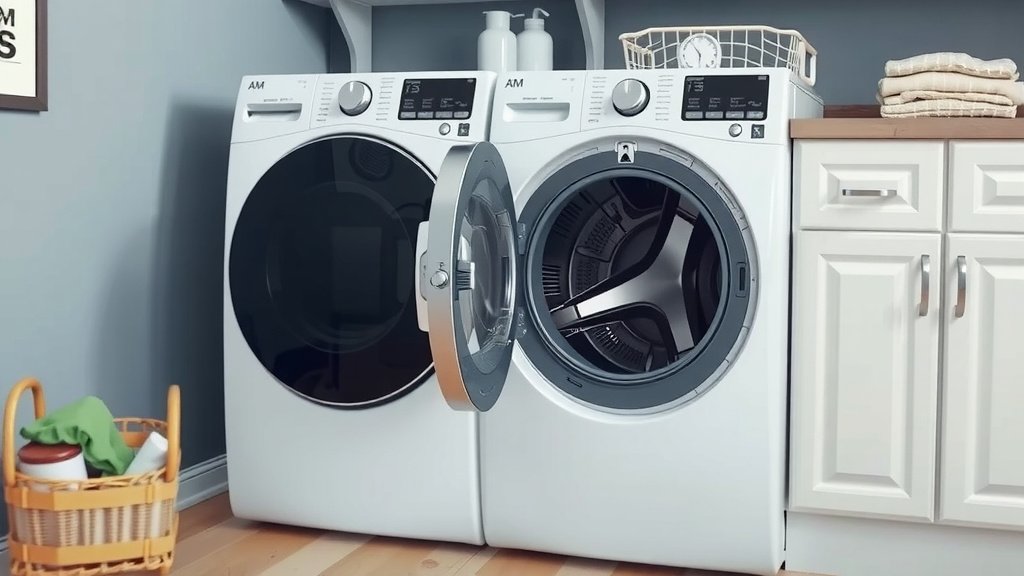
Installation and Maintenance Considerations
Setting up your unit washer and dryer is generally straightforward. Most require a standard electrical outlet and a water hookup. For ventless models, you don’t need to worry about external venting, which is a huge plus. Always follow the manufacturer’s instructions for installation.
Maintenance is also pretty simple. You’ll need to clean the lint filter regularly, just like with a standard dryer. Running a cleaning cycle occasionally can help keep the drum fresh. Also, be sure to check the drain hose to ensure it’s not blocked. Many experts recommend wiping down the door seal after each use to prevent mold or mildew build-up (Cleveland Clinic).
Making the Switch: What to Think About
Before you dive in, consider the capacity you need. If you have a large family, a compact unit might lead to too many small loads. Also, think about the drying time. Ventless drying can sometimes take longer than traditional methods. Read reviews to see what real users say about performance and reliability. We found that checking user feedback can really help narrow down your choices.
Ultimately, a unit washer and dryer offers a clever way to handle your laundry. It’s about saving space and simplifying your life. You get clean and dry clothes from a single, efficient machine.
Quick Checklist Before You Buy
- Confirm your space: Measure carefully to ensure it fits.
- Assess load size: How many people are you washing for?
- Check water/power needs: Do you have the right hookups?
- Understand drying time: Are you okay with potentially longer cycles?
- Read reviews: See what others are saying about performance.
Conclusion
You’ve learned that a unit washer and dryer is a smart, space-saving appliance that handles both washing and drying in one machine. We found these units are surprisingly effective and perfect for apartments, small homes, or anyone wanting a simpler laundry routine. They eliminate the hassle of moving wet clothes and can be quite energy-efficient. Before you buy, remember to check capacity, energy ratings, and user reviews to find the best fit for your needs. Ready to simplify your laundry days? Consider visiting a local appliance store to see these compact powerhouses in person and decide if an all-in-one is your next laundry solution.
Frequently Asked Questions
Do unit washer and dryers really get clothes fully dry?
Yes, modern unit washer and dryers are designed to get your clothes fully dry. While some ventless drying technologies might take a bit longer than traditional vented dryers, they achieve excellent results. You can typically select the dryness level you prefer, ensuring your clothes are ready to wear or fold.
Are unit washer and dryers noisy?
Noise levels can vary between models, just like with standard washers and dryers. We’ve found that many manufacturers are now focusing on reducing noise, especially in their newer models. If a quiet operation is important to you, look for units that advertise low decibel ratings or quiet wash/spin features.
Can I do large loads in a unit washer and dryer?
Capacity is a key consideration. While many compact units are ideal for singles or couples, larger capacity models are available. These can handle more clothing, making them suitable for small families. Always check the drum’s cubic feet capacity to ensure it meets your household’s laundry needs.
What kind of hookups do I need for a unit washer and dryer?
Most unit washer and dryers require standard hookups: a cold water inlet, a hot water inlet, and a drain hose. For power, they typically use a regular 120-volt electrical outlet, similar to a washing machine. Ventless models do not require an external dryer vent connection.
How often do I need to clean a unit washer and dryer?
Maintenance is similar to separate machines. You should clean the lint filter after every few uses. Running a drum cleaning cycle monthly or as recommended by the manufacturer helps keep the appliance fresh. Wiping down the door seal after each use can also prevent mildew build-up.
![7 Best Double Stack Washer And Dryer [In 2026]](https://homeunderstandable.com/wp-content/uploads/2026/09/7-best-double-stack-washer-and-dryer-in-2026-featured-768x432.jpg)
![7 Best Washing Machine For Small Spaces [In 2026]](https://homeunderstandable.com/wp-content/uploads/2026/08/7-best-washing-machine-for-small-spaces-in-2026-featured-768x432.jpg)
![7 Best Compact Dryer For Apartment [In 2026]](https://homeunderstandable.com/wp-content/uploads/2026/08/7-best-compact-dryer-for-apartment-in-2026-featured-768x432.jpg)