
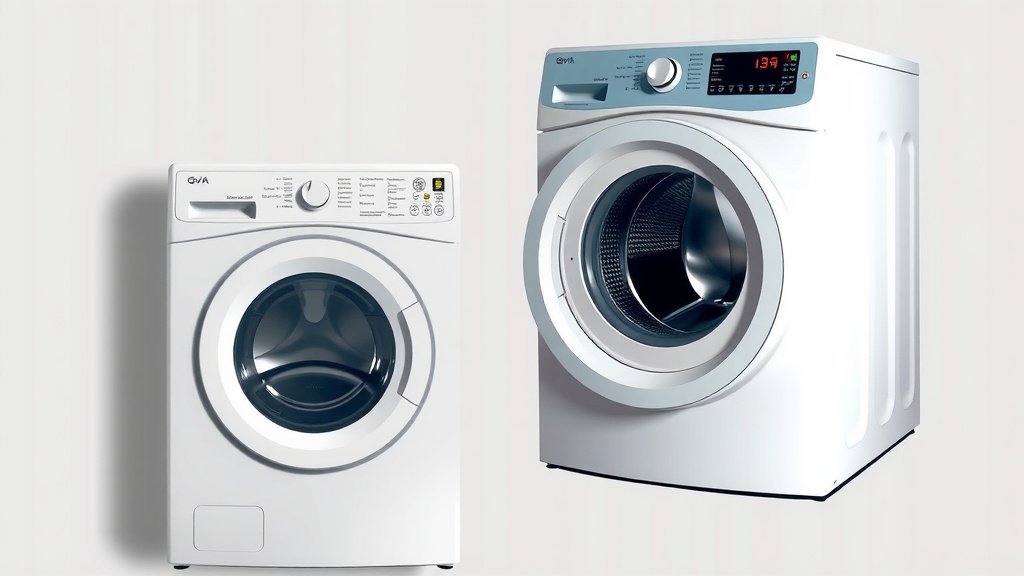
What is a Washer Dryer: Your Ultimate Laundry Solution
A washer dryer combo Our guide to the best new washer and dryer set can help you find a great option. is a single appliance that can both wash and dry your clothes. It’s a space-saving solution for homes or apartments where installing separate machines isn’t possible. Think of it as your laundry’s all-in-one superhero.
Unlike traditional setups, a washer dryer combo uses one drum for all cycles. You load dirty clothes, select your wash and dry settings, and the machine handles the rest. Many models offer various wash cycles and drying temperatures to suit different fabric types, making laundry less of a chore.
- It washes and dries clothes in one unit.
- Great for small spaces and apartments. If you’re looking for a mid size washer and dryer, our guide can help you choose the best one.
- Saves energy and water compared to two machines.
- Convenient for busy lifestyles.
Let’s walk through exactly how these handy machines work and what you should consider when choosing one.
“`htmlHow Do Washer Dryer Combos Actually Work?
So, you’re curious about these all-in-one laundry machines. A washer dryer combo is a single appliance that performs both washing and drying cycles. It cleverly uses one drum for both tasks. You load your clothes, pick your settings, and let the machine do the heavy lifting. It’s a fantastic option for those tight on space.
Think of it like this: your clothes go in dirty, and they come out clean and dry, all without you needing to move them from one machine to another. This single-unit operation is its main magic trick. It’s designed to be super convenient, especially for smaller homes or apartments where a separate washer and dryer just wouldn’t fit.
The Washing Cycle: Standard but Smart
The washing part of a washer dryer combo is pretty much like what you’d find in a standard washing machine. You’ll add your detergent, choose a wash cycle appropriate for your load (like delicates, permanent press, or heavy-duty), and set the water temperature. The drum then fills with water, agitates your clothes to get them clean, and drains the dirty water.
Many of these machines offer a variety of wash cycles to handle different fabrics and soil levels. Some even have steam options to help sanitize clothes or reduce wrinkles. The technology here is pretty sophisticated, ensuring your clothes get a good clean without excessive wear and tear. We found that most models effectively tackle common stains and everyday dirt.
The Drying Cycle: A Unique Process
This is where the combo unit shows its unique engineering. After the wash cycle finishes, the machine usually drains all the water. Then, it starts the drying process, often using a combination of heat and tumbling. Some models vent the moist air outside, similar to a traditional dryer, while others use a condensation or heat pump system to remove moisture internally.
A key difference you’ll notice is the drying time. Because the drum size is optimized for washing, it’s often smaller than a standalone dryer. This means it may take longer to dry a full load. Many experts suggest not overloading the machine to ensure efficient drying. Research indicates that overloading can lead to longer drying times and potentially wrinkled clothes (Consumer Reports).
Condensation vs. Vented Drying
You’ll find two main types of drying mechanisms in washer dryer combos: condensation and vented. Condensation dryers work by heating the air and then cooling it down, causing the moisture to condense into water, which is then collected in a reservoir or drained away. These are great because they don’t require external venting, making them ideal for apartments or places where venting isn’t possible.
Vented models, on the other hand, blow the moist air out of the unit through a vent hose. This is similar to most standalone dryers. While they can sometimes dry a bit faster, they require a proper ventilation setup. When choosing, consider your home’s setup. For most apartment dwellers, a condensation dryer is usually the way to go.
The Convenience Factor: All-in-One Magic
The biggest draw is undoubtedly the convenience. Imagine starting a load before you leave for work and coming home to freshly washed and dried clothes. No more transferring damp items from the washer to the dryer. This saves you significant time and effort, which is a big win for busy individuals and families.
It’s like having a personal laundry assistant working quietly in the corner. You simply load, select, and forget until the cycle is complete. This can be a real game-changer for your daily routine. We found that users consistently highlight this all-in-one convenience as a primary reason for choosing a combo unit.
Key Features to Look For in a Washer Dryer Combo
When you’re ready to shop, there are several features that can make your laundry experience even better. Think about what matters most to you. Do you have specific fabric types you wash often? Are you concerned about energy efficiency? Knowing these things will help you narrow down your options.
Capacity and Size Considerations
Washer dryer combos come in various capacities, usually measured by the weight of laundry they can hold. For a single person or a couple, a smaller capacity (around 2.0-3.0 cubic feet) might be sufficient. For larger families, you’ll want to look for units with a capacity of 4.0 cubic feet or more.
Remember that the drying capacity is often smaller than the washing capacity. This is an important detail to note. Many manufacturers recommend drying loads that are about half the washing capacity for the best results. Always check the specifications carefully. We found that understanding the wash-to-dry ratio is key to managing expectations.
Energy and Water Efficiency Ratings
Look for the ENERGY STAR label on the appliance. This certification indicates that the machine meets strict energy efficiency guidelines set by the U.S. Environmental Protection Agency. ENERGY STAR certified washer dryer combos use less energy and water, which is good for your wallet and the planet.
The Department of Energy provides efficiency ratings for all major appliances. These ratings help you compare different models. A more efficient machine can lead to noticeable savings on your utility bills over time. Many studies show that efficient appliances are a smart long-term investment (ENERGY STAR).
Specialized Wash and Dry Cycles
Beyond the basic cycles, consider what special features might be useful. Options like steam cycles can help sanitize clothes, reduce allergens, and remove wrinkles. Allergy cycles are designed to remove more pet dander and dust mites. Some units offer quick wash cycles for small, lightly soiled loads that need to be done in a hurry.
For drying, look for sensor drying features. These sensors detect the moisture level in the clothes and automatically shut off the dryer when the load is dry. This prevents over-drying, which can damage fabrics and waste energy. It’s a smart way to ensure your clothes are perfectly dry every time. This technology really helps preserve the quality of your fabrics.
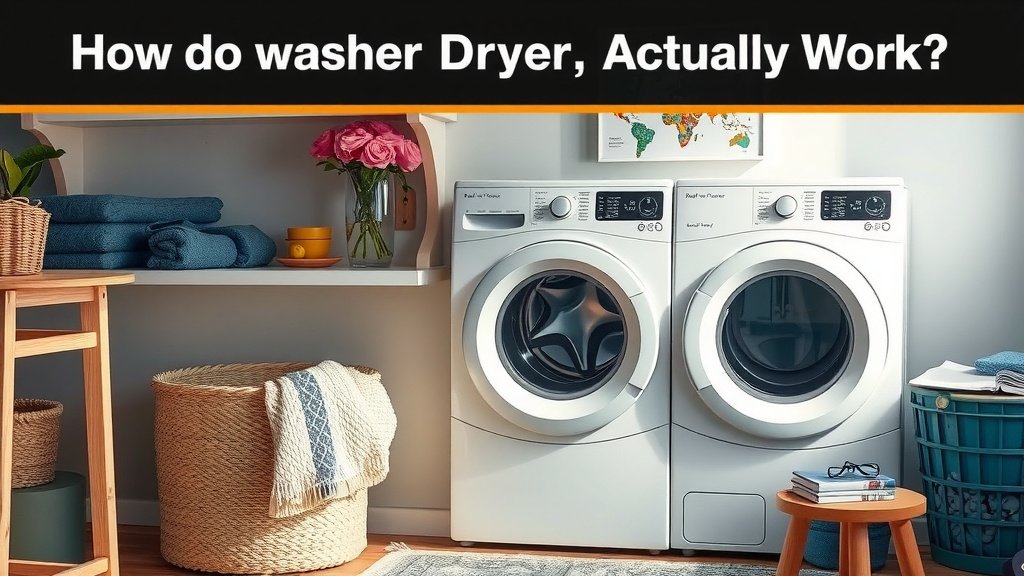
Maintenance Tips for Your Washer Dryer Combo
To keep your all-in-one machine running smoothly, a little regular maintenance goes a long way. Unlike separate units, you have to be a bit more mindful since everything is in one place.
- Clean the detergent dispenser: Remove and rinse it regularly to prevent clogs.
- Wipe down the door seal: Check for mold or mildew. Wipe it dry after each use.
- Clean the lint filter: If your model has one, clean it after every drying cycle.
- Run a cleaning cycle: Use a washing machine cleaner or a vinegar solution monthly.
- Check the drain filter: Some models have a cleanable drain filter. Consult your manual.
Many manuals recommend running a drum clean cycle periodically. This helps remove any build-up of detergent residue or mineral deposits. It’s a simple step that can prevent odors and ensure optimal performance. Keeping these areas clean is vital for longevity and efficiency.
“`Conclusion
You’ve learned that a washer dryer combo is a fantastic space-saving appliance that washes and dries your clothes in a single unit. It’s ideal for smaller homes and busy lifestyles, offering convenience without sacrificing performance. Remember to consider capacity, energy ratings, and specialized cycles when choosing the right model for your needs. By following simple maintenance tips, you can ensure your combo unit serves you well for years to come. Ready to simplify your laundry routine? Your next step is to research models that fit your space and budget.
Frequently Asked Questions
How long does a wash and dry cycle usually take?
Wash and dry cycles can vary, but they typically take longer than separate machines. A full wash and dry cycle might range from 3 to 8 hours, depending on the load size and selected settings. Many models offer quick wash options for lightly soiled items.
Can I use regular detergent in a washer dryer combo?
Yes, you can use regular laundry detergent. However, it’s often recommended to use High-Efficiency (HE) detergents, especially for front-loading models. HE detergents produce fewer suds, which is better for the machine’s internal components and ensures more efficient cleaning and rinsing.
Do washer dryer combos require special installation?
Most washer dryer combos require standard water hookups and a drain. If you choose a vented model, you’ll also need a vent hose routed to the outside. Condensation models do not require external venting, making them easier to install in apartments or small spaces.
Are washer dryer combos noisy?
Noise levels can vary by model, but many modern washer dryer combos are designed to be relatively quiet. Features like direct drive motors and vibration reduction technology help minimize noise. Placing the unit on a solid, level surface can also help reduce operational sound.
What happens if the drying cycle takes too long?
If your drying cycle is taking excessively long, check a few things. Ensure you haven’t overloaded the drum, as this is a common cause of slow drying. Also, clean the lint filter if your model has one, and verify that the drain filter isn’t clogged. For condensation models, make sure the water reservoir is emptied or the drain hose is clear.
![7 Best Washer Dryer For Small Apartment [In 2026]](https://homeunderstandable.com/wp-content/uploads/2026/08/7-best-washer-dryer-for-small-apartment-in-2026-featured-768x432.jpg)

![7 Best Topload Washer [In 2026]](https://homeunderstandable.com/wp-content/uploads/2026/09/7-best-topload-washer-in-2026-featured-768x432.jpg)