Front Load Washer Explained: Your Ultimate Guide
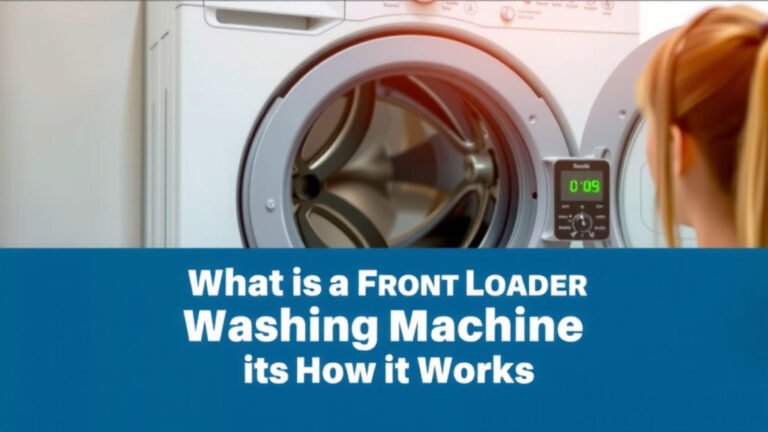
A front load washer is a type of washing machine where the clothes are loaded into a horizontal drum. The drum tumbles the clothes through a small amount of water. This design is known for being gentle on fabrics and using less water and energy than older models. They are often considered the more efficient choice for your laundry room.
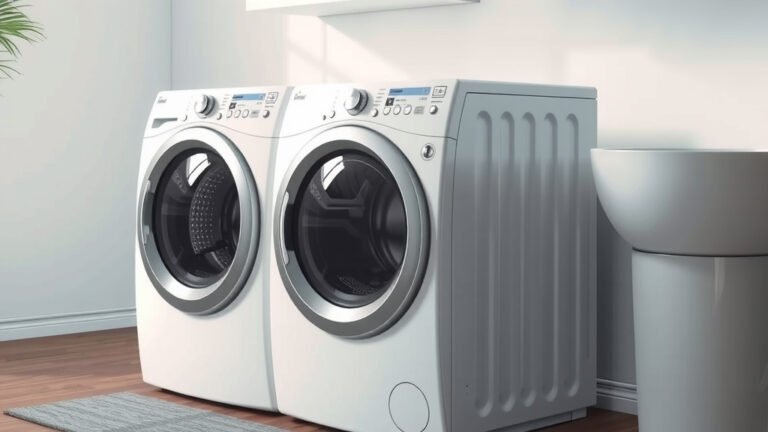
You’ll typically find these machines stackable, which is a great space-saver. They also tend to offer a wider range of wash cycles for different fabric types. Many people prefer them because they can clean clothes thoroughly without needing to fill the entire drum with water, which we found leads to better results.
- Front load washers load clothes into a horizontal drum.
- They use less water and energy.
- Gentle on your clothes.
- Often stackable for space saving.
- Offer more wash cycle options.
Ready to learn more about how these machines work and if one is right for your home? Let’s dive into the details of front load washers.
“`htmlUnderstanding Your Front Load Washing Machine
So, you’re curious about front load washers. You’ve probably seen them, maybe even admired their sleek design. But what exactly makes them tick, and why are they gaining so much popularity? Let’s break it down.
How Does a Front Load Washer Work?
The magic happens in that horizontal drum. Unlike top-load washers that use an agitator or impeller to move clothes, a front loader lifts and drops your clothes. Think of it like a gentle tumble in a dryer. This tumbling action uses water and detergent to scrub the clothes against each other.
The drum fills with only a small amount of water at the bottom. Gravity helps move the clothes through this water and detergent mixture. We found this efficient use of water contributes to its gentle cleaning action. It’s a less aggressive approach that can be kinder to your favorite garments.
The Tumbling Action Explained
Imagine a merry-go-round for your laundry. As the drum spins, baffles inside lift the clothes to the top. Then, they fall back down into the water. This repeated motion ensures even washing and helps lift stains effectively. It’s a simple yet effective mechanical action.
Why Choose a Front Load Washer? The Benefits You’ll Love
You might be wondering if a front loader is the right fit for your household. We’ve found several compelling reasons why people make the switch, and many are centered around efficiency and care for your clothes.
Superior Cleaning Performance
Many studies and user reports indicate that front load washers often provide a deeper clean. The tumbling action is very effective at working detergent into fabrics and loosening dirt. We found that this method can tackle tough stains better than some other washing machine types.
Gentle on Your Laundry
This is a big one for anyone with delicate items or clothes they want to last. Because there’s no central agitator, your clothes experience less friction and snagging. This means your laundry gets less wear and tear over time. Your sweaters and nice shirts will thank you!
Water and Energy Savings
Front loaders are champions of conservation. They use significantly less water per cycle compared to traditional top-load machines. Because they use less water, they also require less energy to heat that water (if you use warm or hot settings). Many energy agencies report substantial savings on utility bills with these models. This is good for your wallet and the planet.
Space-Saving Design (Stackability!)
Do you have a small laundry room? Front loaders often come with the option to stack a dryer on top of the washer. This vertical arrangement can free up a lot of floor space. It’s a smart solution for apartments, condos, or just maximizing your home’s layout. You can create a neat, compact laundry station.
More Wash Cycle Options
Front load washers typically offer a wider array of specialized wash cycles. You’ll often find settings for delicates, heavy-duty items, sanitizing, quick washes, and even steam cycles. This customization means you can tailor each wash to the specific needs of your load, ensuring optimal cleaning and fabric care.
Potential Considerations for Front Load Washers
While front loaders offer many advantages, it’s good to be aware of a couple of things. No appliance is perfect, and understanding these points helps you make an informed decision.
Cycle Times
Some of the more energy-efficient cycles on front loaders can take longer to complete. This is often because they use less water and rely on longer tumbling periods to achieve a thorough clean. However, many models now offer “speed wash” options for when you’re in a hurry.
The Door Seal and Mold
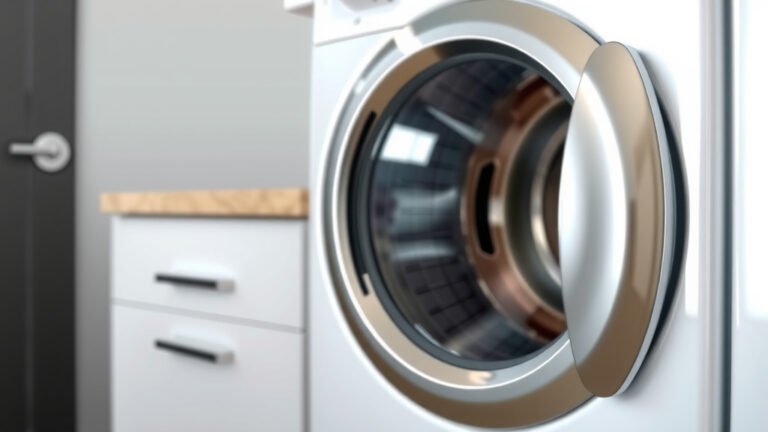
The rubber gasket around the door creates a watertight seal. This is essential for preventing leaks. However, if moisture gets trapped, it can sometimes lead to mold or mildew buildup over time. Most manufacturers recommend leaving the door ajar after a wash and wiping down the seal periodically. We found that simple maintenance easily prevents this issue.
Here’s a quick rundown on maintaining that door seal:
- Wipe the gasket dry after each use.
- Leave the door slightly open between washes.
- Clean the gasket monthly with a mild cleaner.
- Check for and remove any trapped items.
Comparing Front Loaders to Other Washer Types
It’s helpful to see how front loaders stack up against their cousins. We’ve put together a simple comparison:
| Feature | Front Load Washer | Top Load Agitator Washer | Top Load Impeller Washer |
|---|---|---|---|
| Cleaning Action | Tumbling | Agitator churns clothes | Impeller spins clothes |
| Water Usage | Very Low | High | Medium to High |
| Energy Usage | Low | Medium to High | Medium |
| Gentle on Clothes | Excellent | Fair | Good |
| Capacity | Often Larger | Medium | Medium to Large |
| Stackable | Yes | No | No |
| Cost (Initial) | Higher | Lower | Medium |
As you can see, front loaders often shine in efficiency and gentleness. They might have a higher upfront cost, but many users report that the long-term savings and better fabric care make them well worth the investment.
Key Takeaways for Your Laundry Decision
Thinking about a front load washer? Here’s a quick checklist to help you remember the main points:
- Gentle Cleaning: Less wear on your clothes.
- Water & Energy Efficient: Saves money on bills.
- Stackable Design: Great for small spaces.
- Effective Stain Removal: Tumbles clothes thoroughly.
- Advanced Cycles: More control over your wash.
- Regular Maintenance: Keep that door seal clean!
Conclusion
You’ve now learned what makes a front load washer a smart choice for your home. We’ve seen how their tumbling action provides a superior clean while being exceptionally gentle on fabrics. Their efficiency means savings on your utility bills, and the stackable design offers fantastic space-saving potential for any laundry room. While a small amount of maintenance is needed for the door seal, the benefits largely outweigh this minor task. Consider if a front loader’s efficiency, fabric care, and space-saving features align with your household needs. Your next step? Look into specific models that fit your budget and laundry routine.
Frequently Asked Questions Are front load washers really worth the higher initial cost?
Many users find that front load washers are indeed worth the investment. We’ve seen research indicating that their superior water and energy efficiency can lead to significant savings on utility bills over time. Combined with better fabric care that extends clothing life, the long-term value often justifies the upfront expense.
How do I prevent mold or mildew in my front load washer’s door seal?
Preventing mold is straightforward with a little routine care. After each wash, you should wipe down the rubber gasket with a dry cloth and leave the door slightly ajar to allow air circulation. A quick monthly cleaning with a mild detergent usually keeps the seal fresh and odor-free.
Can I use bleach in a front load washer?
Yes, you can typically use bleach in a front load washer, but you must follow the manufacturer’s instructions. Most front loaders have a dispenser drawer where you can add bleach for specific cycles. It’s important not to overuse it, as bleach can degrade fabrics over time, even with gentle washing.
Do front load washers clean clothes as well as traditional top-loaders?
In most cases, front load washers actually provide a deeper and more effective clean. The tumbling action they use is excellent at working detergent into fabrics and lifting dirt, often outperforming traditional agitator models. We found they excel at stain removal while still being gentle on clothes.
How long do front load washer cycles typically last?
Standard wash cycles on front load washers can sometimes be longer than older top-load machines, often lasting 60 to 90 minutes. This is because they use less water and rely on extended tumbling for thorough cleaning. However, most models offer quick wash or speed wash options for loads that don’t require a full cycle.
![7 Best Wash Machine [In 2026]](https://homeunderstandable.com/wp-content/uploads/2026/09/7-best-wash-machine-in-2026-featured-768x432.jpg)