Choosing a Washing Machine: Key Features to Consider
When choosing a good washing machine, you should look for energy efficiency, the right capacity for your household, and features that match your laundry habits, like quick wash cycles. Finding the right machine means balancing cost, performance, and convenience for your home.
Beyond the basics, consider the type of machine (top-load vs. front-load) and its noise level, as these can impact your living space. We’ve found that many modern machines offer smart features that can simplify laundry day, but they aren’t always necessary for everyone. Your specific needs will guide your best choice.
- Energy Efficiency: Saves money and the environment.
- Capacity: Match it to your household size.
- Wash Cycles: Look for options you’ll actually use.
- Noise Level: Important for open-concept homes.
- Durability: Check user reviews for long-term performance.
Let’s walk through exactly what to consider when buying your next washing machine, so you can make a choice you’ll be happy with for years to come.
Choosing the Right Washing Machine for Your Home
Selecting a washing machine is a big decision. You want a machine that cleans your clothes well and fits your lifestyle. We’ve researched what makes a washing machine a great buy for most households.
Understanding Washing Machine Types
There are two main types of washing machines: top-load and front-load. Each has its own pros and cons.
Top-Load Washing Machines
Top-load washers have the door on top. You load clothes from the top. This type is often less expensive. They also tend to have shorter wash cycles. Many people find them easier to load. You can also add clothes mid-cycle. This is a big plus for busy households.
Front-Load Washing Machines
Front-load washers have the door on the front. They typically use less water and energy. This can save you money on utility bills. Front-loaders also clean clothes more gently. They use an impeller or agitator to tumble clothes. This action is kinder to fabrics. Many high-efficiency models are front-loaders. They often have more advanced wash cycles. Some models can be stacked with a dryer to save space. This is great for small homes or apartments.
Capacity: How Much Laundry Do You Do?
Washing machine capacity is measured in cubic feet. It tells you how much laundry can fit inside. Think about the size of your household. A single person might need a smaller machine. A large family will need a larger capacity washer. Washing larger loads fewer times can be more efficient. It also saves you time.
| Household Size | Recommended Capacity (Cubic Feet) |
|---|---|
| 1-2 people | 2.0 – 3.5 cu. ft. |
| 3-4 people | 3.5 – 4.5 cu. ft. |
| 5+ people | 4.5+ cu. ft. |
This table can give you a general idea. Always check the manufacturer’s recommendations. Some bulky items like comforters might need extra space. Consider if you wash large items often.
Energy Efficiency: Saving Money and the Planet
Look for the ENERGY STAR label. ENERGY STAR certified appliances use less energy and water. This means lower utility bills. It’s also better for the environment. Many government programs offer rebates for efficient appliances. Check your local utility company for offers. Energy Star models often meet strict efficiency guidelines. They can save you hundreds of dollars over the life of the machine. Research shows that efficient machines can reduce household energy consumption by up to 50% (ENERGY STAR).
Wash Cycles and Features You’ll Actually Use
Washing machines come with many wash cycles. Think about your laundry habits. Do you wash delicate items often? You might need a delicate cycle. Do you have lots of heavily soiled clothes? Look for a heavy-duty cycle. Many machines offer quick wash options. These are great for small loads or lightly soiled items. Some machines have steam settings. Steam can help remove tough stains and allergens. Others have sanitizing cycles. These are good for baby clothes or bedding.
Common Wash Cycles to Consider
- Normal/Regular: For everyday loads.
- Heavy Duty: For tough stains and durable fabrics.
- Delicates: For silk, lace, and other fragile items.
- Quick Wash: For small, lightly soiled loads.
- Sanitize: Kills bacteria and allergens with hot water.
- Whites/Colors: Optimizes cleaning for specific fabric types.
Don’t get swayed by too many fancy cycles. If you won’t use them, they are just extra features. Stick to the ones that match your routine. We found that most people use only a handful of cycles regularly.
Noise Level: Your Home’s Peace and Quiet
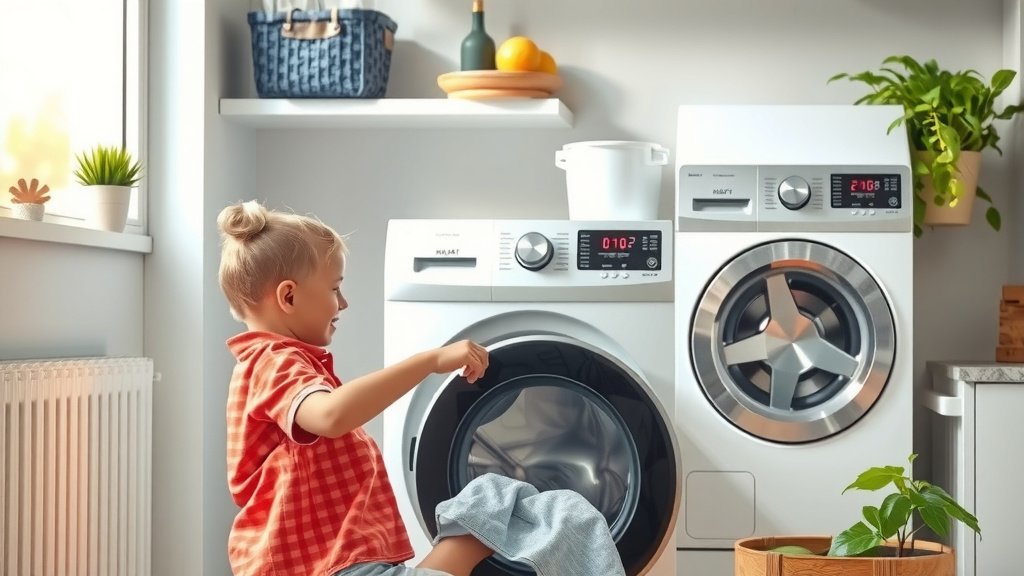
Washing machines can be noisy. If your laundry room is near a bedroom or living area, this is important. Look for machines advertised as quiet operation or low decibel ratings. Some manufacturers use special insulation or motor technology. These reduce vibration and sound. Reading user reviews can be helpful here. People often mention noise levels in their feedback.
Durability and Reliability
You want a washing machine that lasts. Check user reviews and ratings. Brands known for reliability are often a safe bet. Some experts suggest looking at the warranty. A longer warranty often indicates a manufacturer’s confidence in their product. For example, a 10-year warranty on the motor is a good sign.
Where to Find Reliable Information
- Consumer Reports: Offers independent testing and ratings.
- Manufacturer Websites: Provide specifications and warranty details.
- Online Retailer Reviews: Real user experiences can highlight common issues.
Smart Features: Are They Worth It?
Many new washing machines come with smart features. You can control them with your smartphone. Some send notifications when a cycle is done. Others allow you to download new cycles. For some people, this convenience is fantastic. For others, it’s an unnecessary expense. Consider if you truly need these connected features. We found that basic models often perform just as well for the core task of cleaning clothes.
Your Washing Machine Checklist
Here’s a quick checklist to help you decide:
- Capacity fits your household size.
- Energy Star certified for efficiency.
- Key wash cycles you’ll actually use are included.
- Consider noise level if it’s a concern.
- Read reviews for durability and reliability.
- Decide if smart features are a must-have for you.
Conclusion
You’ve learned what makes a washing machine a smart purchase. Focusing on capacity and energy efficiency will save you money and hassle. Don’t forget to match wash cycles to your real laundry needs, and consider the noise level for your living space. Prioritizing durability by checking reviews ensures a long-lasting appliance. Now that you’re informed, take a moment to assess your household’s laundry habits. Your perfect washing machine is out there; you just need to know what to look for.
Frequently Asked Questions
What’s the biggest difference between a top-load and front-load washer?
Top-load washers are often less expensive and allow you to add clothes mid-cycle. Front-load washers typically use less water and energy, and they are generally kinder to your clothes.
How do I know what washing machine capacity I need?
Consider your household size. A smaller household might only need 2.0-3.5 cubic feet, while larger families may need 4.5 cubic feet or more. Washing larger loads less often can also be more efficient.
Is an ENERGY STAR certified washing machine always better?
Yes, ENERGY STAR certified washing machines are designed to use less energy and water. This leads to lower utility bills and is better for the environment.
Are smart features on washing machines really necessary?
Smart features, like smartphone control or notifications, offer convenience for some users. However, basic washing machines perform the core task of cleaning clothes just as well if you don’t need those connected capabilities.
How can I tell if a washing machine will be durable and reliable?
Check user reviews on retailer websites and look for independent ratings from sources like Consumer Reports. A longer manufacturer warranty, especially on the motor, can also be a good indicator of reliability.

![7 Best Small Washers [In 2026]](https://homeunderstandable.com/wp-content/uploads/2026/08/7-best-small-washers-in-2026-featured-768x432.jpg)