
Choosing a Washing Machine: Key Features to Consider
Choosing the right washing machine means looking for energy efficiency, adequate capacity for your laundry needs, and the right type of machine for your space and budget. Consider features like wash cycles and spin speeds that match your typical loads. A good machine saves you time and money.
The best washing machines offer a balance of performance and convenience. Many models now include smart technology for remote control. We found that understanding water usage and noise levels is also key. Your new washer should make laundry day easier, not harder.
- Capacity: Match it to your household size.
- Type: Front-load vs. top-load.
- Efficiency: Look for ENERGY STAR ratings.
- Features: Smart cycles and spin speeds matter.
- Noise: Quieter machines are often a plus.
Let’s dive into the details to help you find the perfect washer for your home.
Finding the Right Washing Machine for Your Home
You’ve decided it’s time for a new washing machine. That’s great! It can feel like a big purchase. We want to help you make sure you get one that fits your life perfectly. Let’s break down what you should be looking for to make laundry day less of a chore.
Understanding Washing Machine Types
The first big decision is the type of washing machine. There are two main styles: top-load and front-load. Each has its own pros and cons.
Top-Load Washing Machines
These are the traditional machines many of us grew up with. You load your clothes from the top. They often come with an agitator (that central post) or an impeller (a low-profile cone at the bottom).
Agitator Models
Agitator washing machines have a central post that twists and turns your clothes. This method is very effective at removing tough stains. We found that agitator models tend to be more affordable upfront. They also typically have faster wash cycles.
Impeller Models
Impeller top-loaders use a disc or cone at the bottom to move clothes. This allows for more space in the drum. Because there’s no central agitator, you can fit more laundry inside. This is a big win for larger households. We found that impeller models are generally gentler on fabrics than agitator machines.
Front-Load Washing Machines
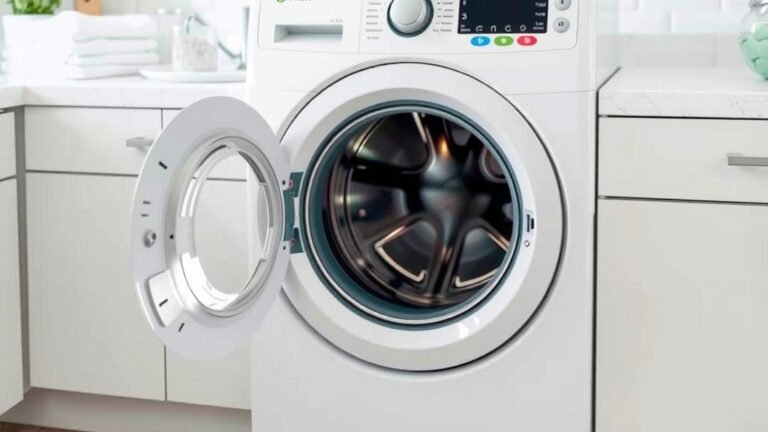
Front-loaders have a door on the front, like a dryer. They use tumbling action to wash clothes. This method is known for being very efficient with water and energy. Many people also find they clean clothes more effectively.
One of the biggest advantages of front-loaders is their superior cleaning performance. They also tend to be more energy-efficient. This can save you money on utility bills over time. We found that front-loaders often have higher spin speeds. This means clothes come out drier, cutting down on drying time.
However, front-loaders can be more expensive initially. They also tend to have longer wash cycles. And, you can’t add clothes mid-cycle easily once it’s started.
Capacity: How Much Laundry Do You Do?
Think about your typical laundry loads. How many people are in your household? Do you wash bulky items like comforters often? Washing machine capacity is measured in cubic feet.
For 1-2 people, a smaller capacity of around 2-3 cubic feet is often enough. For families of 3-4, aim for 3.5 to 4.5 cubic feet. Larger families or those who wash a lot of king-size bedding might need 5 cubic feet or more. Research suggests that choosing the right capacity can prevent over-washing or under-washing.
| Household Size | Recommended Capacity (Cubic Feet) | Typical Loads |
|---|---|---|
| 1-2 people | 2.0 – 3.0 | Small to medium |
| 3-4 people | 3.5 – 4.5 | Medium to large |
| 5+ people | 4.5+ | Large to extra-large |
Energy and Water Efficiency Ratings
Washing machines use both electricity and water. Look for the ENERGY STAR label. This means the machine meets strict energy efficiency guidelines set by the U.S. Environmental Protection Agency. ENERGY STAR certified washers use less energy and water than standard models.
Many front-load washers are more water-efficient than top-loaders. This is because they don’t need to fill the entire drum with water. You’ll often see an estimated yearly operating cost on the yellow EnergyGuide label. This can help you compare machines.
According to the EPA, ENERGY STAR certified clothes washers can save you about 30% on energy and more than 20% on water. That adds up over the lifetime of the machine!
Wash Cycles and Features to Consider
Modern washing machines come with a variety of wash cycles and features. Think about what you’ll actually use.
Standard Cycles
Most machines will have basic cycles like Normal, Delicates, and Heavy Duty. These cover most of your laundry needs.
Specialty Cycles
Do you have specific needs? Look for cycles like:
- Sanitize: Uses very hot water to kill germs.
- Steam: Helps remove wrinkles and refresh clothes.
- Allergen: Designed to remove allergens like pet dander and pollen.
- Quick Wash: For lightly soiled items you need cleaned fast.
- Bulky/Bedding: For large items that are hard to wash.
Spin Speed
Spin speed is measured in revolutions per minute (RPM). A higher RPM means the drum spins faster. This extracts more water from your clothes. Higher spin speeds can reduce drying time, saving you energy and time. We found that machines with at least 1000 RPM are a good starting point.
Smart Features
Some washers offer smart technology. You can connect them to your home Wi-Fi. This allows you to start, stop, and monitor cycles from your smartphone. You might even get notifications when a cycle is finished. This is handy if you’re often away from home.
Noise Levels Matter
Washing machines can be noisy. If your laundry room is near living areas or bedrooms, noise levels are important. Look for machines that advertise quiet operation or vibration reduction technology.
Some manufacturers conduct and publish noise level tests. While not always readily available, it’s worth checking reviews. Many user reviews will mention if a machine is particularly loud or quiet. A quieter machine can make a big difference in your home’s comfort.
Your Washing Machine Checklist
Here’s a quick rundown to help you remember the key points:
- Capacity: Match it to your household size and laundry habits.
- Type: Decide between front-load or top-load based on your needs.
- Efficiency: Always look for the ENERGY STAR label.
- Cycles: Choose cycles that suit the types of clothes you wash.
- Spin Speed: Higher RPMs mean less drying time.
- Noise: Consider how much noise your machine makes.
Conclusion
You’re now equipped to find a washing machine that perfectly suits your home. We’ve covered the essential types, from front-loaders to various top-loaders, and the importance of matching capacity to your household needs. Remember to prioritize ENERGY STAR ratings for long-term savings and choose cycles that make laundry day efficient for you. Don’t overlook spin speed for faster drying and noise levels for a more peaceful home. Take this knowledge and start comparing models that fit your specific laundry habits and budget!
Frequently Asked Questions
How do I know what washing machine capacity I need?
Consider your household size and how often you do laundry. For 1-2 people, 2.0-3.0 cubic feet is often sufficient. Families of 3-4 will likely need 3.5-4.5 cubic feet, while larger households may need 5 cubic feet or more. Washing bulky items like comforters also requires more space.
Are front-load or top-load washing machines better?
Both have advantages. Front-loaders are generally more energy and water-efficient and offer superior cleaning. Top-loaders, especially impeller models, can be gentler on clothes and offer more capacity without the central agitator. Your choice depends on your priorities like efficiency, cost, and load size.
What does ENERGY STAR certification mean for a washing machine?
ENERGY STAR certified washers meet strict energy efficiency guidelines set by the EPA. This means they use less electricity and water compared to standard models. Research suggests these machines can save you significantly on utility bills over their lifetime.
Is a higher spin speed always better on a washing machine?
A higher spin speed (measured in RPM) extracts more water from your clothes. This can significantly reduce drying time, saving you energy and time in the dryer. We found that machines with at least 1000 RPM are a good starting point for efficiency.
How can I find out how noisy a washing machine is before I buy it?
While not all manufacturers readily share noise level data, you can often find this information in user reviews. Many consumers will mention if a machine is particularly loud or quiet. Some brands may also advertise vibration reduction technology for quieter operation.
![7 Best Small Load Washing Machine [In 2026]](https://homeunderstandable.com/wp-content/uploads/2026/08/7-best-small-load-washing-machine-in-2026-featured-768x432.jpg)
![7 The Best Washing Machines [In 2026]](https://homeunderstandable.com/wp-content/uploads/2026/09/7-the-best-washing-machines-in-2026-featured-768x432.jpg)