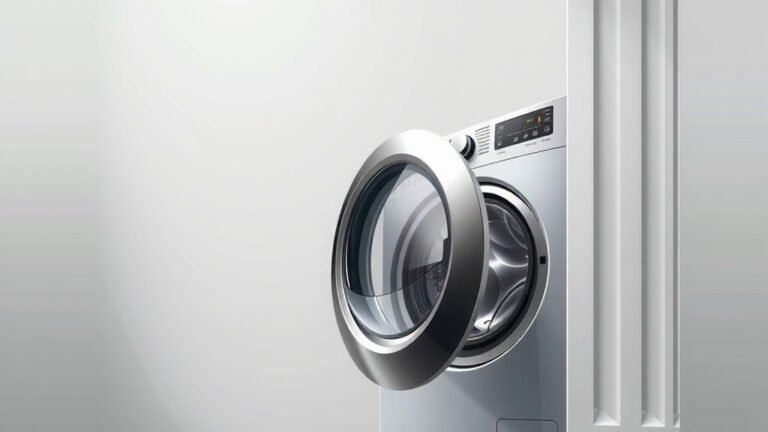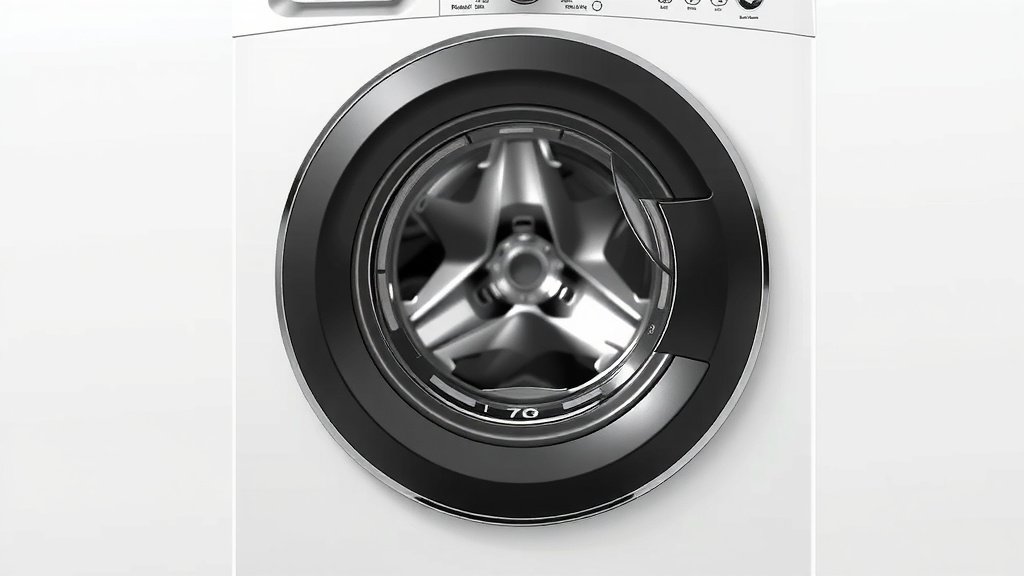
Choosing the Right Washing Machine: A 2026 Buyer’s Guide
When buying a washing machine, focus on capacity and efficiency ratings first. Top-load machines with agitators are often cheaper and simpler. High-efficiency (HE) front-loaders use less water and energy, saving you money long-term, but can cost more upfront. Consider your laundry load size and budget carefully for the best washing machine to fit your needs.
We found that understanding different wash cycles and features can prevent buyer’s remorse. Think about delicate fabrics, bulky items, or quick washes. Smart features can add convenience but also increase the price. Your decision hinges on balancing initial cost with ongoing savings and the specific cleaning requirements of your household. Prioritize what truly matters for your laundry routine.
- Match capacity to your household size.
- Compare energy efficiency for long-term savings.
- Decide between top-load or front-load designs.
- Consider specialized wash cycles you’ll actually use.
- Factor in your budget for both purchase and operation.
Let’s break down the options and help you find the perfect washing machine for your home.
Choosing Your Next Washing Machine Wisely
Deciding which washing machine to buy can feel like a big task. But don’t worry, we’re here to help you navigate the options. Our research shows that focusing on a few key areas will make your decision much simpler. We want you to feel confident and happy with your purchase for years to come. Let’s get started on finding the perfect machine for your laundry needs.
Top-Load vs. Front-Load: The Great Debate
The first big choice you’ll face is between a top-load and a front-load washing machine. Both have their own set of pros and cons. Understanding these differences is key to picking the right one for your household.
Top-Load Washers: Simple and Accessible
Top-load machines are a classic choice for many households. They are often more affordable upfront than their front-load counterparts. You can usually find them with an agitator, which is that central post that helps move clothes around. These are great for getting clothes really clean and are generally easy to use.
The biggest advantage is often the price point. They are typically less expensive to buy. Plus, you can usually add forgotten items mid-cycle, which is a nice perk. Many people also find them more comfortable to load because you don’t have to bend over as much. This can be a big win for your back.
Agitator vs. Impeller Top-Loaders
Within top-loaders, you have two main types. The first is the traditional agitator model. This is the one with the post in the middle. It uses a lot of water to get clothes clean. The second type is an impeller model. These have a low-profile disc or cone at the bottom. They use less water and are gentler on clothes.
We found that impeller models are often considered more energy-efficient and can hold larger loads. However, some people feel they don’t clean as vigorously as agitator models. It’s a trade-off between water usage, clothing care, and cleaning power. Many newer HE (High-Efficiency) top-loaders are impeller-based.
Front-Load Washers: Efficiency Champions
Front-load washing machines have become incredibly popular. They are known for their superior cleaning performance and excellent energy efficiency. Instead of an agitator, they tumble clothes through a small amount of water. This tumbling action is very effective at removing dirt.
One of the biggest benefits of front-loaders is their water and energy savings. They use significantly less water per load compared to most top-loaders. This can lead to lower utility bills over time. They also spin clothes at higher speeds, removing more water. This means your dryer works less, saving even more energy.
The Downsides of Front-Loaders
While front-loaders offer many advantages, there are a few things to consider. They generally have a higher initial cost. You’ll often spend more upfront to buy one. They also tend to have longer wash cycles. So, if you’re in a hurry, a quick wash cycle might be a must-have feature.
Another common issue, though many modern models have improved this, is the potential for mold and mildew. Because the door seals tightly, moisture can get trapped. It’s important to leave the door slightly ajar after use and wipe down the seal regularly. Some people also find the bending required to load and unload a bit challenging.
Understanding Capacity: How Much Laundry Do You Have?
Washing machine capacity is measured in cubic feet. This tells you how much laundry it can hold. Matching capacity to your household size is super important. Buying a machine that’s too small means more loads. Too large, and you might waste water and energy on small loads.
Small Households (1-2 people)
If you’re single or a couple with light laundry needs, a smaller capacity machine might be perfect. Look for models around 2.0 to 3.5 cubic feet. This will be sufficient for your typical weekly wash. You’ll save money on the purchase price and on utilities.
Medium Households (3-4 people)
For families of three or four, a medium capacity machine is usually the sweet spot. We recommend looking at models between 3.5 to 4.5 cubic feet. This size can handle bedding and a week’s worth of clothes for everyone. It offers a good balance for most families.
Large Households (5+ people) or Big Laundry Needs
If you have a large family or deal with a lot of laundry – think sports uniforms or frequent bulky items – you’ll want a large capacity washer. Aim for 4.5 cubic feet or larger. These machines can tackle big loads, like king-size comforters, with ease. You’ll get more done in fewer loads.
Efficiency Ratings: Saving Money and the Planet
Look for the ENERGY STAR label. This means the washing machine meets strict energy efficiency guidelines set by the U.S. Environmental Protection Agency. These machines use less energy and water than standard models.
Your washing machine accounts for a significant portion of your home’s energy use. Using an energy-efficient model can lower your utility bills. It also reduces your environmental impact. Many experts suggest that the long-term savings can offset a higher initial purchase price (Energy.gov).
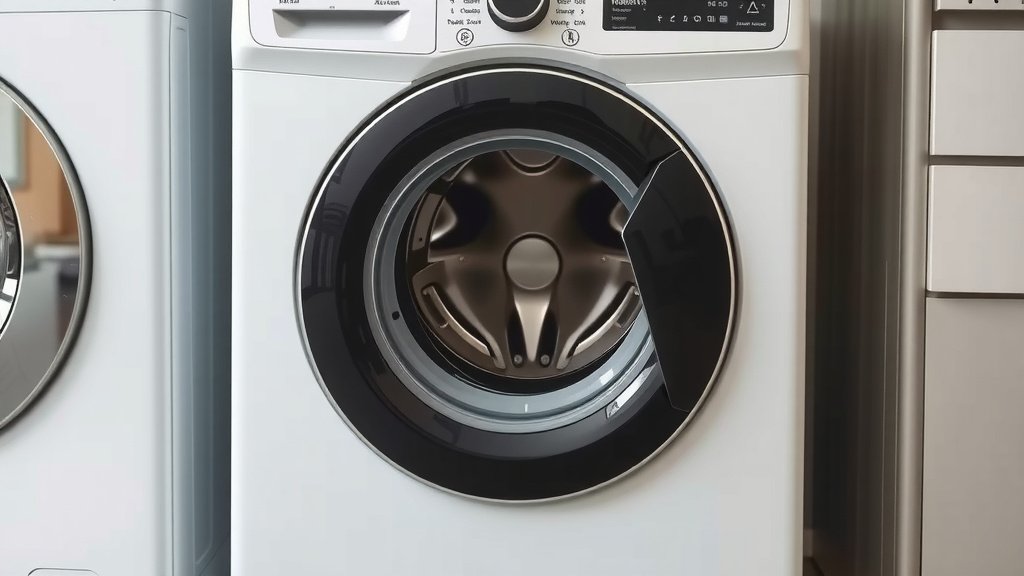
Key Features to Consider
Beyond the basic type and capacity, various features can enhance your laundry experience. Think about which ones you’ll truly use.
Wash Cycles and Options
Most machines come with a variety of wash cycles. Common ones include normal, heavy-duty, delicates, and permanent press. Some offer specialized cycles like ‘sanitize’ (great for allergies), ‘steam clean’, or ‘quick wash’.
Consider your typical laundry. Do you wash a lot of gym clothes? A quick wash might be useful. Do you have sensitive skin? A sanitize cycle could be beneficial. Think about what you actually wash and how often. Don’t pay for cycles you’ll never touch.
Smart Features and Connectivity
Some newer washers offer smart technology. You can connect them to your smartphone via Wi-Fi. This allows you to start, stop, or monitor cycles remotely. You might even get notifications when a cycle is done.
These features add convenience, no doubt. However, they also increase the price of the washing machine. For many, a standard machine works perfectly well. Decide if the added cost is worth the remote access and notifications for your lifestyle.
Noise Level and Vibration
Washing machines can be noisy, especially during the spin cycle. If your laundry room is near living areas or bedrooms, look for models that advertise quiet operation. Many front-loaders are designed for quieter performance than older top-loaders.
We found that some brands specifically engineer their machines to reduce vibration. They might use advanced suspension systems. Reading reviews can help you gauge how noisy a particular model is. This can be a very important factor for your comfort.
Your Washing Machine Buying Checklist
To help you make the final decision, here’s a quick checklist:
- Household Size: Match capacity to your family’s laundry needs.
- Budget: Consider both the upfront cost and long-term energy savings.
- Type: Decide between a top-load (agitator or impeller) or front-load machine.
- Efficiency: Look for ENERGY STAR certification for water and energy savings.
- Cycles: Choose cycles that you’ll actually use for your type of laundry.
- Space: Measure your laundry area to ensure a proper fit.
Conclusion
Choosing the right washing machine comes down to balancing your household’s specific needs with your budget. You’ve learned that capacity is key to avoid extra loads or wasted resources. Remember to weigh the upfront cost of front-loaders against their long-term water and energy savings. Top-loaders offer simplicity and affordability, with impeller models providing a good efficiency middle ground. By considering your typical laundry items and desired features, you can confidently pick a machine that will serve you well. Take these points with you to the store or when browsing online to make your best purchase.
Frequently Asked Questions
Is a front-load washer always better than a top-load?
Not necessarily. Front-load washers are generally more water and energy-efficient and offer better cleaning performance. However, they often have a higher initial cost and longer cycle times. Top-loaders can be more affordable and allow you to add clothes mid-cycle, which some users prefer.
How do I know what capacity washing machine I need?
Capacity is measured in cubic feet. For one to two people, aim for 2.0 to 3.5 cubic feet. Three to four people usually do well with 3.5 to 4.5 cubic feet. If you have five or more people, or frequently wash bulky items like comforters, consider 4.5 cubic feet or larger.
Are ENERGY STAR certified washing machines worth the extra cost?
Yes, most experts agree they are. ENERGY STAR certified washers use less water and energy, which directly translates to lower utility bills over the life of the machine. The long-term savings often outweigh the slightly higher purchase price.
What’s the difference between an agitator and an impeller top-load washer?
An agitator is the tall post in the center of some top-load washers that twists clothes. An impeller is a low-profile disc or cone at the bottom that rubs against clothes. Impellers generally use less water, are gentler on fabrics, and allow for larger loads.
Should I worry about mold and mildew on front-load washers?
It can be a concern, but it’s manageable. Because front-loaders have airtight seals, moisture can get trapped. To prevent mold and mildew, always leave the door slightly ajar after use to allow for air circulation and wipe down the rubber door seal regularly.
![7 Best Small Apartment Washer Dryer [In 2026]](https://homeunderstandable.com/wp-content/uploads/2026/08/7-best-small-apartment-washer-dryer-in-2026-featured-768x432.jpg)
![7 Best Price On Stackable Washer Dryer [In 2026]](https://homeunderstandable.com/wp-content/uploads/2026/09/7-best-price-on-stackable-washer-dryer-in-2026-featured-768x432.jpg)