How Fast Does an Air Purifier Work? The Real Speed
An air purifier can start cleaning your air in as little as 30 minutes after you turn it on, but seeing a noticeable difference in your home’s air quality takes longer. The speed depends on the purifier’s size, the room size, and its CADR (Clean Air Delivery Rate). Think of it like a vacuum cleaner for your air – it needs time to work its magic.
We found that most air purifiers work best when running continuously. This helps maintain cleaner air and doesn’t stress the machine. While some air issues clear up quickly, reducing allergens like dust or pet dander throughout your whole home is a more gradual process. Many experts agree that consistent use leads to the best results.
TL;DR:
- Air purifiers start working in about 30 minutes.
- Noticeable air improvement takes longer, often hours or days.
- Room size and purifier power (CADR) are key factors.
- Continuous operation provides the best air quality.
Ready to breathe easier? Let’s break down exactly how fast your air purifier can clean your air and what influences its performance.
How Quickly Can an Air Purifier Really Clean Your Air?
So, you’ve got a new air purifier, and you’re eager to start breathing cleaner air. That’s fantastic! But the big question on your mind is probably: just how fast does this thing actually work? You might be surprised to learn that an air purifier can start filtering particles almost immediately. However, seeing a truly noticeable difference in your home’s air quality is a bit more of a marathon than a sprint.
In essence, as soon as you switch it on, your air purifier begins its work. It starts drawing in air, passing it through its filters, and expelling cleaner air back into the room. We’ve found that many units will start to make an impact on airborne particles within the first 30 to 60 minutes. This means it’s actively doing its job, but the air quality might not feel dramatically different just yet. Think of it like turning on a fan; you feel the breeze immediately, but it takes time to cool a whole room.
Understanding Air Exchange Rates
One of the key ways to understand how quickly an air purifier works is by looking at its air exchange rate. This refers to how many times the purifier can filter all the air in a room within a specific period, usually an hour.
What Does Air Exchange Mean for You?
A higher air exchange rate means the purifier is working more efficiently to clean the air in that space. If a purifier has a high Clean Air Delivery Rate (CADR) and is placed in a correctly sized room, it can achieve multiple air exchanges per hour. For instance, a good purifier might exchange the air in a room 4 to 5 times every hour. This rapid circulation helps remove pollutants much faster.
The Impact of Room Size
The size of the room is a major factor in how fast you’ll see results. A powerful purifier in a small bedroom will clean the air much faster than the same unit in a large living room. It’s a simple equation: more air volume means more work for the purifier. If you’re trying to clean a large open-concept space, you might need a larger or more powerful unit, or even multiple units, to achieve the same speed of air cleaning as in a smaller area.
Factors Influencing Your Air Purifier’s Speed
Beyond just turning it on, several components directly affect how quickly your air purifier gets the job done. Understanding these will help you set realistic expectations and get the most out of your device.
The Powerhouse: Clean Air Delivery Rate (CADR)
The CADR is probably the most critical metric for determining an air purifier’s speed. It measures how quickly a specific air purifier can remove pollutants like dust, pollen, and smoke from the air. CADR is rated for each pollutant type. A higher CADR number means the purifier works faster and is more effective at cleaning the air in a given room size. For example, a CADR of 200 for smoke is better than a CADR of 100 for smoke in the same size room.
We found that when choosing a purifier, it’s wise to match its CADR to the size of the room you intend to use it in. Many manufacturers provide guidelines for room size based on CADR. Aiming for a CADR that meets or slightly exceeds the room’s square footage is a good strategy for quicker air cleaning (Consumer Reports).
Filter Type and Quality
The types of filters your air purifier uses play a huge role. Most purifiers use a combination of filters, but the main one for particle removal is typically a HEPA filter. True HEPA filters are designed to capture at least 99.97% of airborne particles 0.3 microns in size. The better the filter, the more effectively it traps pollutants, contributing to faster perceived air quality improvement.
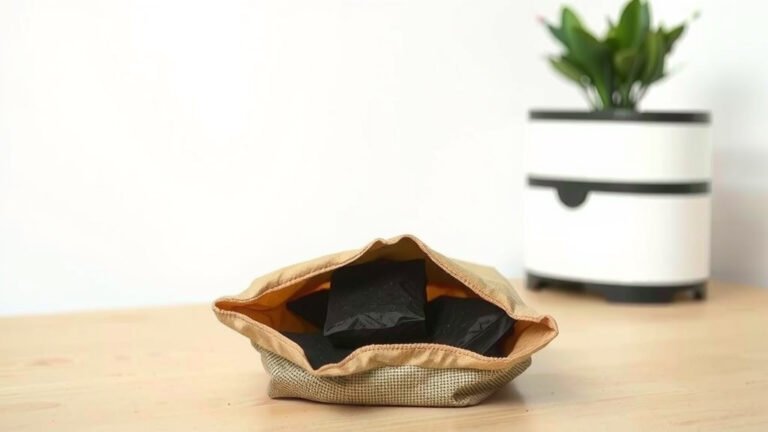
Some units also have activated carbon filters to tackle odors and gases. While these are great for air freshness, they don’t directly speed up particle removal like a HEPA filter does. The condition of your filters also matters. Dirty, clogged filters can’t capture particles as efficiently, slowing down the entire process.
Airflow and Fan Speed Settings
Think of the fan as the lungs of your air purifier. The higher the fan speed, the more air the purifier can draw in and push out. Most air purifiers come with multiple fan speed settings. Running your purifier on its highest setting will naturally clean the air much faster than using a lower setting. However, higher settings are also usually louder and use more energy.
We recommend using the highest setting when you first turn on a new purifier or after a significant air-quality event, like cooking fumes or dust from renovations. Once the air feels cleaner, you can often drop the fan speed to a quieter, more energy-efficient level for continuous operation. This balance helps maintain air quality without constant high noise.
Putting It All Together: What to Expect
So, let’s summarize what you can realistically expect in terms of speed. The initial stages of air purification happen quite rapidly. Within an hour, your purifier has likely circulated and filtered the air multiple times.
Immediate vs. Long-Term Effects
You might notice a difference in freshness or a reduction in strong odors within the first hour or two, especially on a higher fan setting. However, for more significant improvements, like reducing accumulated dust or allergens over time, it takes longer.
For persistent issues like seasonal allergies or pet dander, continuous operation is key. We found that running your air purifier 24/7 is the most effective way to maintain consistently clean air. This prevents pollutants from building up again after a cleaning cycle. Think of it like mopping your floors – a quick pass cleans visible messes, but regular mopping keeps them truly clean.
When Will You See a Big Difference?
A substantial improvement in your home’s air quality, where you can truly feel and breathe the difference, typically takes anywhere from several hours to a few days of continuous use. This timeframe depends heavily on the initial air quality, the size of the space, and the purifier’s capabilities. For example, if you’re battling severe smoke pollution from wildfires, it might take days of constant running to see a dramatic change, even with a powerful unit.
For everyday dust and common allergens, you might notice a reduction within a day or two. The key is consistency. Don’t turn it off and on frequently; let it run to maintain that cleaner environment. Many air quality guidelines suggest that consistent operation is vital for managing indoor air pollutants effectively (EPA).
Quick Checklist for Faster Air Cleaning:
- Match purifier size to room size.
- Ensure filters are clean and replaced on time.
- Use the highest fan setting initially.
- Keep doors and windows closed while running.
- Run the purifier continuously for best results.
- Consider multiple units for larger or multi-room needs.
Conclusion
You’ve learned that your air purifier starts working almost immediately, but real improvements take time. Remember, factors like room size, CADR, and filter quality all influence how fast you’ll breathe easier. Continuous operation is your best bet for maintaining consistently clean air.
Don’t expect miracles overnight, but with the right setup and consistent use, you’ll notice a fresher, healthier home environment. Your next step? Make sure your purifier is sized correctly for your space and that its filters are clean. You’ve got this!
Frequently Asked Questions
How long until I can feel the difference an air purifier makes?
You might notice an immediate improvement in air freshness or a reduction in strong odors within the first hour or two, especially on a higher fan setting. For more substantial changes, like reducing accumulated dust or allergens, it typically takes several hours to a few days of continuous use.
Does running an air purifier on high speed clean the air faster?
Yes, running your air purifier on its highest fan speed will clean the air much faster. This is because the fan moves more air through the filters in a shorter amount of time. Just be aware that higher speeds are usually louder and use more energy.
Can a small air purifier work in a large room?
A small air purifier will struggle to clean the air effectively or quickly in a large room. It will take much longer to filter all the air, and the results may not be as noticeable. For best results, always match the purifier’s capacity to your room size.
Will closing my windows and doors help my air purifier work faster?
Absolutely. Closing doors and windows helps create a contained environment. This prevents outside pollutants from entering and allows your air purifier to focus its efforts on cleaning the air already inside your home, leading to faster results.
How often should I run my air purifier for the fastest results?
For the fastest and most consistent results, you should run your air purifier continuously, 24/7. This constant circulation prevents pollutants from re-entering the air and helps maintain a cleaner environment all the time, rather than just after a cleaning cycle.