How Long Should You Run Your Air Purifier Daily
You should run your air purifier for at least 12 hours a day, and ideally 24/7, for the best air quality. This continuous operation ensures you’re consistently removing allergens, dust, and other pollutants from your home. Many experts recommend this constant use for optimal health benefits and a cleaner living environment.
Understanding how long to run your air purifier is key to maximizing its effectiveness. While shorter periods can offer some relief, continuous operation truly makes a difference in filtering out airborne particles. You’ll notice cleaner air and potentially fewer allergy symptoms when you let it run.
- Run your air purifier for at least 12 hours daily.
- For best results, aim for 24/7 operation.
- Continuous use effectively removes allergens and pollutants.
- This helps improve overall indoor air quality.
Let’s walk through exactly how often you should be running your air purifier to get the most out of it.
How Long to Run Your Air Purifier Daily? Let’s Get It Going!
So, you’ve got an air purifier humming away. That’s fantastic! But the big question pops up: just how long should this little air helper be working each day? Think of it like this: if you only turned on your refrigerator for a few hours, your food wouldn’t stay fresh, right? Your air purifier works in a similar way to keep your air clean and healthy. The general consensus among many health and air quality experts is that you should run your air purifier for as long as possible.
This usually means letting it run for at least 12 hours a day, but for the absolute best results, aiming for 24/7 operation is the golden ticket. We’ll break down why this continuous use is so important and what it means for your indoor air quality.
Understanding Air Purifier Effectiveness
An air purifier works by drawing in air, passing it through a series of filters, and then releasing cleaner air back into the room. The longer it runs, the more air it can process and filter. It’s like a marathon runner – the more distance they cover, the more ground they clear.
Why Continuous Operation Matters
Indoor air can become polluted very quickly. Dust, pet dander, pollen, mold spores, and even fumes from cooking or cleaning products are constantly floating around. If you only run your air purifier for a few hours, you might be cleaning the air, but as soon as you turn it off, new pollutants start to build up again.
Running your purifier continuously ensures that you are always capturing these airborne particles. It’s not just about cleaning the air; it’s about maintaining clean air. This constant battle against pollutants is where the real health benefits come from.
The 12-Hour Minimum: A Good Starting Point
If running your air purifier 24/7 feels like a stretch for your budget or your peace of mind, a minimum of 12 hours a day is a solid compromise. Many people find this works well by running it during the day while they’re home and through the night while they sleep. This covers the most critical periods for air exposure.
Think about the times you spend most of your day at home. Running it during these peak hours means you’re breathing the cleanest air when you need it most. For many, this includes evenings and overnight. Many guidelines suggest running appliances like these for extended periods for optimal results (Environmental Protection Agency).
Aiming for 24/7: The Ultimate Goal
For those who want the absolute best air quality, running your air purifier 24 hours a day, seven days a week is the way to go. This ensures that your home’s air is constantly being cleaned, no matter what’s happening outside or what activities you’re doing inside. It’s especially beneficial if you have allergies or asthma.
Continuous operation means that even those tiny, hard-to-catch particles don’t have a chance to settle and recirculate. You’re creating a consistently cleaner environment for everyone in your household. It’s the most effective strategy for truly improving your indoor air.
Factors Influencing Your Air Purifier Schedule
While the ideal scenario is constant operation, your personal circumstances might influence how you schedule your air purifier. Several factors can help you decide on the best running time for your specific needs. Let’s look at them.
Allergies and Asthma
If you or anyone in your home suffers from allergies or asthma, running your air purifier 24/7 is highly recommended. These conditions are often triggered by airborne allergens like pollen, dust mites, pet dander, and mold spores. A continuous running purifier can significantly reduce these triggers.
Studies have shown that consistent air filtration can lead to a noticeable reduction in allergy symptoms and asthma flare-ups (National Institutes of Health). This means fewer sneezes, less congestion, and easier breathing. It’s a vital tool for managing respiratory health.
Pet Owners
Living with furry friends is wonderful, but they do contribute to indoor air pollutants. Pet dander, hair, and odors can quickly fill a home. If you have pets, running your air purifier for extended periods, ideally 24/7, will help control these issues.
You’ll likely notice a reduction in pet odors and a cleaner feel to the air. This constant filtration is key to keeping your home fresh, even with your beloved companions around. It’s a practical way to enjoy your pets without as many air quality compromises.
Home Size and Air Purifier Capacity
The size of your room and the Clean Air Delivery Rate (CADR) of your air purifier play a role. A purifier needs to be appropriately sized for the space it’s in. If your unit is undersized, it will struggle to clean the air effectively, even if you run it constantly.
If you have a larger space or a less powerful unit, you might need to run it for longer durations or consider placing multiple units. Always check the manufacturer’s recommendations for room size coverage and aim for a purifier with a CADR that matches your needs. Overworking a small unit won’t give you the desired clean air (Consumer Reports).
Specific Pollution Events
Sometimes, you might need to run your air purifier more than usual. This could be after cooking a particularly smoky meal, if there’s been construction nearby, or during wildfire smoke events. In these situations, running your unit on a higher setting and for longer periods is beneficial.
Think of these as “air emergencies.” Your air purifier can help mitigate the impact of sudden pollutant spikes. After such events, continuing to run it for a while helps ensure the air returns to its normal, cleaner state. It’s a good way to react to air quality issues.
Optimizing Your Air Purifier’s Running Time
Beyond just the hours, a few smart strategies can help you get the most out of your air purifier’s operation. These aren’t complicated, just simple things to keep in mind.
Placement is Key
Where you put your air purifier matters. For it to work effectively, it needs good airflow. Avoid placing it directly against walls or furniture that can block the intake and output vents. Ideally, place it in a central location in the room.
This allows the air purifier to circulate and filter the air more efficiently throughout the entire space. Think of it as giving your purifier a clear path to do its job. Good placement can make a big difference in its performance.
Regular Maintenance
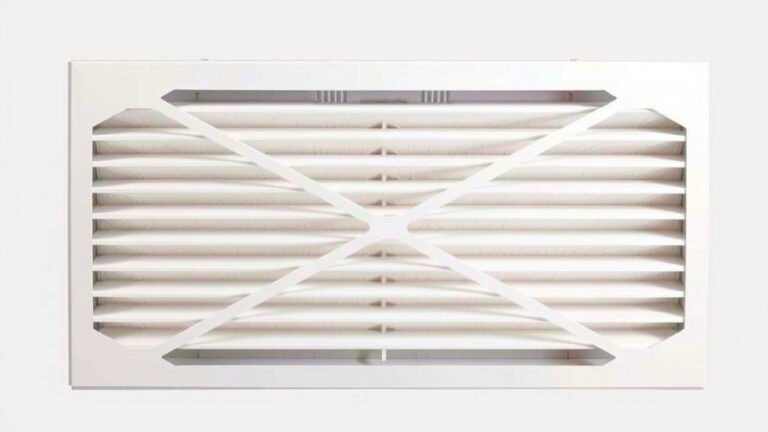
Just like any machine, your air purifier needs a little TLC to perform at its best. This primarily means cleaning or replacing the filters according to the manufacturer’s instructions. Clogged filters can’t trap pollutants effectively and can even strain the motor.
A good maintenance schedule ensures your purifier is always running at peak efficiency. Check your manual for how often to clean pre-filters and when to replace HEPA and carbon filters. Keeping up with this is more important than shortening the run time.
Smart Features and Scheduling
Many modern air purifiers come with timers or smart features that allow you to schedule operation. You can set them to turn on and off automatically. If you can’t run yours 24/7, using a timer to ensure it runs for at least 12 hours, especially during peak times, is a great option.
This way, you can program it to run while you’re at work or sleeping, ensuring continuous filtration without you having to remember to turn it on or off. It’s a convenient way to guarantee your air is being cleaned regularly. You can even find models that adjust their fan speed automatically based on air quality readings.
Example Schedule for a Busy Household
Let’s say you’re out of the house for 8 hours during the workday. You could program your air purifier to run from 6 AM to 10 AM (4 hours), then again from 5 PM to 11 PM (6 hours), and finally overnight from 1 AM to 6 AM (5 hours). This gives you a total of 15 hours of continuous operation, exceeding the 12-hour minimum and providing excellent air quality when you’re most active in your home.
A Quick Checklist for Optimal Air Purifier Use
To make sure you’re getting the most from your air purifier, keep these simple points in mind:
- Run your purifier for at least 12 hours daily.
- Aim for 24/7 operation for the best air quality.
- Check your air purifier’s manual for room size recommendations.
- Ensure proper placement for maximum airflow.
- Maintain your filters by cleaning or replacing them regularly.
- Consider using timers for automated operation if needed.
Conclusion
You’ve learned that running your air purifier for at least 12 hours a day is a great start, but aiming for 24/7 operation truly maximizes its benefits for your home’s air quality. Continuous use is key to consistently removing allergens, dust, and other pollutants, especially if you have allergies, asthma, or pets. Remember that proper placement and regular filter maintenance are just as important as run time.
Your next step? Take a moment to assess your home’s needs and set up a schedule or use your purifier’s smart features to ensure you’re enjoying cleaner, healthier air every single day. You’ve got this!
Frequently Asked Questions
Will running my air purifier 24/7 increase my electricity bill a lot?
While running your air purifier continuously does use electricity, modern units are designed to be energy-efficient. The cost increase is generally quite modest. For many, the health benefits of consistently clean air outweigh the small added expense.
How often should I replace the filters in my air purifier?
Filter replacement frequency varies by model and usage, but typically HEPA filters need replacement every 6 to 12 months. Always check your air purifier’s manual for specific recommendations, as dirty filters reduce effectiveness.
Can I turn my air purifier off when I’m not home?
You can turn it off when you’re away, but for the best results, it’s ideal to run it continuously. If you must turn it off, try to run it for at least 12 hours during the day and overnight to capture pollutants when you’re most likely to be home.
Does the size of my room affect how long I should run my air purifier?
Yes, room size is important. A purifier needs to be properly sized for the space to clean the air effectively, even if run 24/7. If your unit is undersized for the room, you’ll get better results by running it longer or using a larger unit.
What if my air purifier has an “auto” mode?
Auto mode uses sensors to detect air quality and adjust fan speed accordingly, often running continuously at a lower setting. This is a great way to maintain clean air without constant manual adjustment, and it’s generally very energy efficient.