How Many Air Purifiers Does Your House Need
The number of air purifiers your house needs depends on a few key factors, but generally, having one per main living area or bedroom is a great starting point. You might need more if you have pets, allergies, or live in an area with poor air quality. It’s about covering the high-traffic zones where you spend the most time.
Think of it like this: your home isn’t just one big room, right? Different spaces have different air quality needs. A busy kitchen has different air than a quiet nursery. We found that strategically placing units in areas prone to common pollutants like dust and pet dander makes a big difference. Many experts agree that aiming for good air coverage in key areas is essential for your family’s well-being.
- Generally, one purifier per main living area or bedroom is enough.
- Consider more if you have pets, allergies, or asthma.
- Larger homes or homes with multiple levels may need more units.
- Placement is key – think about where you spend the most time.
- Match the purifier’s coverage area to your room size.
Let’s break down exactly how to figure out the perfect number for your home, so you can breathe a little easier.
Determining the Right Number of Air Purifiers for Your Home
So, you’re wondering how many air purifiers your house actually needs? It’s a smart question to ask! The truth is, there’s no single magic number that fits every home. Think of it like setting up your Wi-Fi – you want good coverage everywhere you need it. For air purifiers, it’s all about ensuring your living spaces get that clean air treatment.
Generally, we found that having one air purifier per main living area or frequently used bedroom is a solid starting point. This approach covers the places where your family spends the most time. It’s a practical way to tackle airborne irritants and create healthier indoor environments for everyone. We’ll help you figure out if you need more or if this basic setup will do the trick.
Factors Influencing Your Air Purifier Needs
Size and Layout of Your Home
Let’s talk square footage. A sprawling ranch-style home will have different air purification needs than a cozy two-bedroom cottage. Larger homes often require more units to effectively circulate clean air throughout all the rooms. If your home has multiple levels, you’ll likely need at least one purifier on each floor. Experts suggest considering the total area you need to cover when deciding on the number of devices (EPA).
Consider the layout too. Open-concept living areas might be managed by one powerful unit, while a home with many small, enclosed rooms could benefit from smaller units in each space. We found that thinking about air flow and how easily air can move between rooms is really key. Don’t forget about hallways and stairwells; they can also be conduits for pollutants.
Specific Air Quality Concerns
Do you have furry friends running around? Pets are wonderful, but they can introduce dander, hair, and odors into your home. If you have one or more pets, you’ll likely need more air purification power. We found that placing an air purifier in rooms where pets spend a lot of time, like living rooms or their favorite napping spots, makes a big difference.
Allergies and asthma are other major players. If anyone in your household suffers from respiratory issues, increasing the number of air purifiers can provide significant relief. HEPA filters, which capture tiny particles like pollen, dust mites, and pet dander, are especially helpful. Many health organizations recommend air purifiers as part of a strategy to manage allergy and asthma symptoms (Asthma and Allergy Foundation of America).
Lifestyle and Daily Habits
Your daily routines can impact your indoor air quality. Do you love to cook? The kitchen can be a hotspot for cooking fumes, grease particles, and odors. Running an air purifier in or near the kitchen can help clear the air after meal preparation. Similarly, if you have a home office where you spend many hours, ensuring that space has clean air can boost your focus and well-being.
What about guests or children? High-traffic areas, such as living rooms and playrooms, are where you’ll want extra air cleaning power. These spaces see a lot of activity, bringing in more dust and potential allergens. Think about where people gather most – those are prime spots for air purifiers. We’ve seen that strategic placement in these areas often leads to the biggest improvements in perceived air freshness.
Strategic Placement: Where to Put Your Air Purifiers
It’s not just about the quantity; the placement of your air purifiers is incredibly important. Even with the right number of units, putting them in the wrong spots won’t give you the best results. Think of it like placing fans to create a cross-breeze – you need airflow to make it work.
Prioritizing Bedrooms and Main Living Areas
Your bedroom is where you spend about a third of your life sleeping. This makes it a top priority for air purification, especially if you have allergies or asthma. Clean air while you sleep can lead to better rest and fewer allergy symptoms in the morning. We found that a bedroom unit often provides the most noticeable personal benefit.
Your main living area, like the family room or living room, is the other primary zone. This is where you relax, entertain, and spend quality time. Having a good air purifier here helps ensure that everyone can breathe easy, no matter what’s being tracked in from outside or produced within the home.
Addressing Pollutant Hotspots
We mentioned kitchens and pet areas, but let’s think more broadly. Basements can sometimes have mold or musty odors. If you have a home gym, sweat can create odors. Laundry rooms can also have lint and detergent smells. Identifying these specific areas in your home and placing a purifier there can make a significant difference.
Consider areas where dust tends to settle. Sometimes, corners of rooms or spaces near air vents can accumulate more particles. Placing an air purifier nearby can help capture these airborne particles before they settle and become a nuisance. It’s about intercepting pollutants where they tend to linger.
Matching Purifier Capacity to Room Size
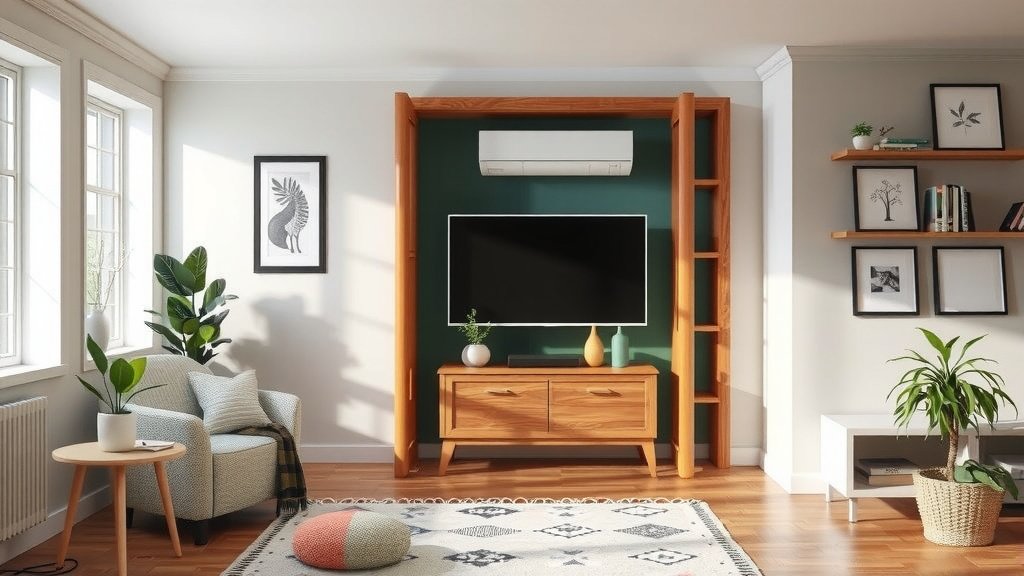
Every air purifier has a specified coverage area. This is often measured in square feet and indicates how large a room the unit can effectively clean. It’s usually based on the Clean Air Delivery Rate (CADR), which measures how quickly the purifier filters out specific pollutants like smoke, dust, and pollen. You’ll find this information on the product packaging or in the manual.
Using a purifier that’s too small for a large room is like trying to cool a whole house with a tiny fan – it just won’t get the job done. Conversely, a super-powerful unit in a tiny bathroom might be overkill and unnecessarily noisy. Always check the manufacturer’s recommendations for room size and CADR ratings to ensure you’re getting the right performance for each space.
Understanding CADR and ACH Ratings
CADR stands for Clean Air Delivery Rate. It’s a standardized measure of how effectively an air purifier removes smoke, dust, and pollen from the air. A higher CADR number means the unit filters the air faster. You’ll typically see three CADR numbers for each purifier: one for smoke, one for dust, and one for pollen.
ACH stands for Air Changes per Hour. This rating tells you how many times the air purifier can filter the entire volume of air in a room within one hour. For general purposes, aiming for an ACH of 2-3 is often sufficient. However, if you have severe allergies or asthma, you might want to look for units that can achieve 4 or even 5 ACH (AHAM).
When One Purifier Might Suffice
So, could you get by with just one? Yes, in certain situations! If you live in a smaller apartment or a compact home, one well-placed, high-capacity air purifier might cover your main living area and even spill over into adjacent rooms. If you don’t have pets, severe allergies, or live in an area with poor outdoor air quality, one unit could be enough to make a noticeable difference.
The key here is to choose a unit with a CADR rating that is suitable for your largest primary living space, and ensure it’s placed where it can have the most impact, like in your living room or primary bedroom. Regularly cleaning or replacing filters is also vital for maintaining its effectiveness. We found that for smaller spaces, one unit can indeed be quite effective.
A Quick Checklist for Your Home Air Purifier Count
Ready to take stock? Here’s a simple way to think about your home’s needs:
- Assess your home’s square footage. A bigger space means more potential for needing multiple units.
- Consider your family’s health. Allergies, asthma, or other respiratory issues might require extra units.
- Factor in pets. If you have furry companions, plan for at least one purifier in high-pet-traffic areas.
- Evaluate your lifestyle. Do you cook a lot? Have a home gym? These activities can increase pollutant levels.
- Think about room usage. Prioritize bedrooms and main gathering spaces for clean air.
- Match purifier capacity to room size. Always check the recommended square footage for each unit.
Conclusion
Figuring out how many air purifiers your home needs comes down to a few key things. We found that starting with one per main living space or bedroom is a great baseline. But remember to consider your home’s size, any allergies or pets you have, and where you spend most of your time. Matching each purifier’s power to the room size ensures you’re getting the best clean air possible. Take a moment to assess your unique situation, and you’ll be well on your way to a healthier home environment. Your next step is to walk through your home and apply these factors to decide where your purifiers will make the biggest difference!
Frequently Asked Questions
Do I really need an air purifier in every bedroom?
It’s generally recommended to have one in each main bedroom, especially if someone in that room suffers from allergies or asthma. This ensures you’re breathing cleaner air while you sleep, which can greatly improve rest quality and reduce symptoms. For guest rooms or less-used bedrooms, the need might be less, but it’s still beneficial if air quality is a major concern.
Can one large air purifier cover my whole small apartment?
For smaller apartments or homes, one high-capacity air purifier can often be sufficient. Ensure the unit you choose has a CADR rating suitable for your largest living area and place it centrally. It can help clean the air in adjoining spaces too, especially if the layout is open. Just make sure it’s powerful enough for the square footage.
How do I know if my air purifier is working effectively in a large room?
Check the purifier’s CADR (Clean Air Delivery Rate) and ACH (Air Changes per Hour) ratings against the room’s size. If the unit’s coverage area matches or exceeds your room’s square footage and it can achieve at least 2-3 ACH, it should be effective. You might notice fewer odors or less dust settling over time.
What if I have multiple pets? How many purifiers do I need then?
If you have multiple pets, you’ll likely benefit from more than one air purifier. Consider placing a unit in each major living area where pets spend time, and perhaps an additional one in bedrooms if dander is a significant issue. Cleaning filters more frequently will also be important to manage pet dander and odors.
Do I need to move my air purifiers around the house?
Generally, it’s best to place air purifiers in the rooms where you spend the most time or where pollutants are most concentrated, like bedrooms and living areas. While you can move them, most people find they get the best results by having dedicated units in key locations rather than constantly relocating one. This ensures consistent air cleaning where it’s needed most.