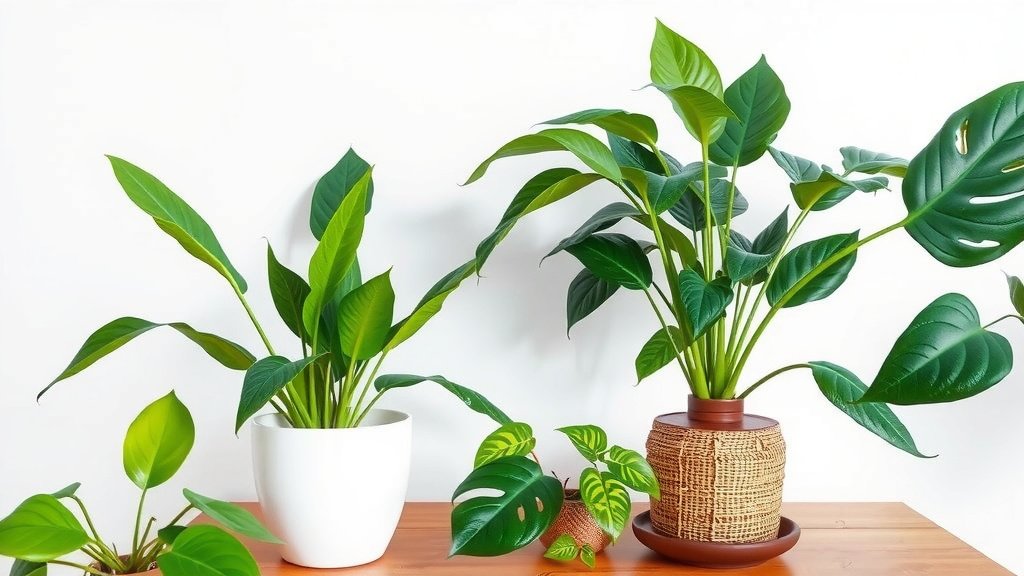
How Many Houseplants To Purify Your Air
You’re probably wondering: how many house plants do I need to purify the air in my home? While there’s no magic number, research suggests you’d need an impractical amount of plants for significant air cleaning. NASA’s famous study found plants can reduce indoor pollutants, but it was conducted in sealed lab conditions, not typical homes.
Even though a few plants won’t drastically change your air quality, they still offer benefits. They can help boost your mood and make your living space feel more welcoming. Plus, they add a lovely touch of natural beauty to any room you place them in.
- You can’t rely on plants alone for cleaner air.
- More plants mean slightly better air, but it’s not a magic fix.
- Ventilation and air purifiers are more effective.
- Houseplants still boost mood and add beauty.
Let’s dive into what the science really says about plants and air purification, and what you can do for truly cleaner indoor air.
How Many Plants for Noticeably Cleaner Air?
It’s a question many of us have when we start thinking about bringing more greenery into our homes: how many houseplants do you need to actually make a difference in air quality? You might be picturing a lush jungle, but the reality is a bit more complex, and frankly, a lot less dramatic.
The idea that a few plants can purify your home’s air comes largely from a famous NASA study conducted in the early 1980s. This research looked at how plants could clean the air in sealed environments, like space stations. It showed that certain plants could remove specific toxins from the air. But here’s the catch: those were controlled lab conditions, not your average living room.
The Science Behind Plant Air Purification
NASA’s Clean Air Study was groundbreaking for its time. It identified plants that could absorb volatile organic compounds (VOCs) like benzene, formaldehyde, and trichloroethylene. These are common chemicals found in household items, building materials, and cleaning supplies. Plants absorb these through their leaves and often break them down in their soil.
However, the study focused on a sealed chamber, which means there was very little air exchange. In such a setup, a plant could make a noticeable impact. Think of it like a single filter working overtime in a tiny, airtight box. In a real home, air is constantly moving. Fresh air comes in, and stale air goes out through windows, doors, and ventilation systems. This natural air exchange is incredibly effective at diluting pollutants.
Putting the Numbers in Perspective
So, let’s talk numbers, or rather, the lack of simple ones. To achieve the same air-purifying effect seen in those NASA lab experiments, you’d likely need an impractical number of plants. We’re talking hundreds, maybe even thousands, of plants per typical home size. Imagine trying to fit that many plants into your apartment or house!
For instance, one common calculation suggests you’d need about 15-18 medium-sized plants (like a Spider Plant) to clean the air in a standard 1,800 square foot home. That’s a lot of pots, soil, and watering!
Why Plants Still Matter for Your Home
Even if plants aren’t the air-purifying superheroes some believe, they still bring a wealth of benefits to your living space. Don’t discount them just yet! Their impact on your well-being is more subtle but just as real.
Mood Boosters and Stress Reducers
Studies have shown that being around plants can genuinely improve your mood and reduce feelings of stress and anxiety. Simply looking at greenery can have a calming effect. Caring for plants can also provide a sense of purpose and accomplishment. It’s a simple, natural way to add a bit more peace to your day.
Adding Natural Beauty and Style
Let’s be honest, plants just make a room look better. They add color, texture, and life. Whether you have a minimalist apartment or a grand farmhouse, plants can tie a space together. They bring a touch of the natural world indoors, creating a more inviting and visually appealing environment. Your home becomes a more pleasant place to be, and that’s a wonderful thing.
Improving Humidity Levels
Plants release moisture into the air through a process called transpiration. This can help increase humidity in dry indoor environments, especially during winter months when heating systems can zap moisture from the air. Proper humidity levels can make your skin feel better and can even help reduce dry throats and stuffy noses.
What Really Cleans Your Indoor Air?
Since we can’t realistically fill our homes with hundreds of plants for air purification, what are the most effective ways to ensure you’re breathing cleaner air? Experts point to a few key strategies.
Ventilation is Key
Opening windows and doors regularly is one of the most effective ways to improve indoor air quality. This process, called ventilation, allows fresh outdoor air to come in and flush out stale indoor air laden with pollutants. Even a few minutes a day can make a difference. This helps to dilute airborne contaminants, including VOCs, dust, and allergens.
Many health organizations, including the EPA, recommend bringing in fresh air regularly. This natural exchange is often more powerful than relying solely on plants. Think of it as airing out your home, just like you would air out a musty closet.
Consider an Air Purifier
For more targeted and efficient air cleaning, a good quality air purifier can be a worthwhile investment. These devices use filters, often HEPA filters, to capture microscopic particles like dust, pollen, pet dander, and even some bacteria and viruses from the air. Some purifiers also include activated carbon filters to help remove odors and gases.
When choosing an air purifier, look for one that is sized appropriately for the room you intend to use it in. Check reviews and certifications to ensure it performs well. This can be especially helpful for those with allergies or respiratory sensitivities.
Control Pollutant Sources
The best way to deal with indoor air pollution is to prevent it in the first place. You can do this by reducing the sources of pollutants in your home.
- Choose low-VOC paints, cleaning products, and furniture.
- Avoid smoking indoors.
- Properly vent exhaust fans in kitchens and bathrooms.
- Fix any water leaks promptly to prevent mold growth.
By being mindful of the products you bring into your home and how you maintain it, you can significantly reduce the number of airborne contaminants.
A Realistic Approach to Houseplants and Air Quality
So, back to the plants. While they won’t be the sole solution to your indoor air concerns, they absolutely have a place in creating a healthier and happier home environment. You can enjoy their aesthetic appeal and mood-boosting effects without expecting them to perform miracles on your air quality.
Here’s a simple checklist for managing your expectations and maximizing plant benefits:
- Enjoy your plants for their beauty and stress-reducing qualities.
- Don’t aim for a jungle to purify air; aim for a few plants you love.
- Open windows regularly for effective ventilation.
- Consider a good air purifier for targeted air cleaning.
- Address pollutant sources directly whenever possible.
- Remember that a balanced approach is best for your home.
Think of your houseplants as wonderful companions that make your home feel more alive and beautiful. For actual air purification, you’ll get much better results from simply opening a window or using a dedicated air purification system. It’s about finding what works best for your home and your well-being.
Conclusion
Bringing houseplants into your home is a wonderful idea. They add beauty and can genuinely boost your mood. However, research shows you can’t rely on them alone for significant air purification. The idea of plants as air-cleaning superheroes comes from lab studies, not real-world homes. To truly improve your indoor air quality, focus on practical solutions. Opening windows regularly and using a good air purifier are much more effective. Enjoy your plants for the joy they bring, and tackle air quality with proven methods for a healthier space.
Frequently Asked Questions
Can one plant really clean the air in my room?
One plant won’t make a noticeable difference in purifying the air of a typical room. While plants do absorb some pollutants, the volume needed for effective cleaning is very high. Think of it more as a small, pleasant addition rather than a primary air filter.
How many plants do I need for a small apartment?
For a small apartment, you would still need a surprisingly large number of plants to achieve measurable air purification. Estimates suggest dozens of plants would be necessary. It’s far more practical to rely on ventilation and air purifiers for cleaner air.
Are certain plants better at purifying air than others?
Yes, some plants identified in research, like the Snake Plant and Spider Plant, are more efficient at absorbing certain VOCs than others. However, even the best performing plants in lab settings require a vast quantity to impact air quality in a home environment.
If plants don’t purify air, why do they seem to help?
Houseplants help by improving your mood and reducing stress. They also add natural beauty and can slightly increase humidity, which can feel beneficial. These psychological and aesthetic benefits are very real, even if air purification isn’t their main strength.
Should I still get houseplants if I’m worried about air quality?
Absolutely! You should still get houseplants for the enjoyment they bring. Just manage your expectations regarding air purification. Pair your plants with regular window opening and consider an air purifier for the best approach to healthy indoor air.
![What Is The Best Air Purifier for Gym [In 2026]](https://homeunderstandable.com/wp-content/uploads/2025/05/best-air-purifier-for-gym-top-picks-for-clean-fresh-air-768x512.jpg)