How Many Houseplants to Purify Your Air
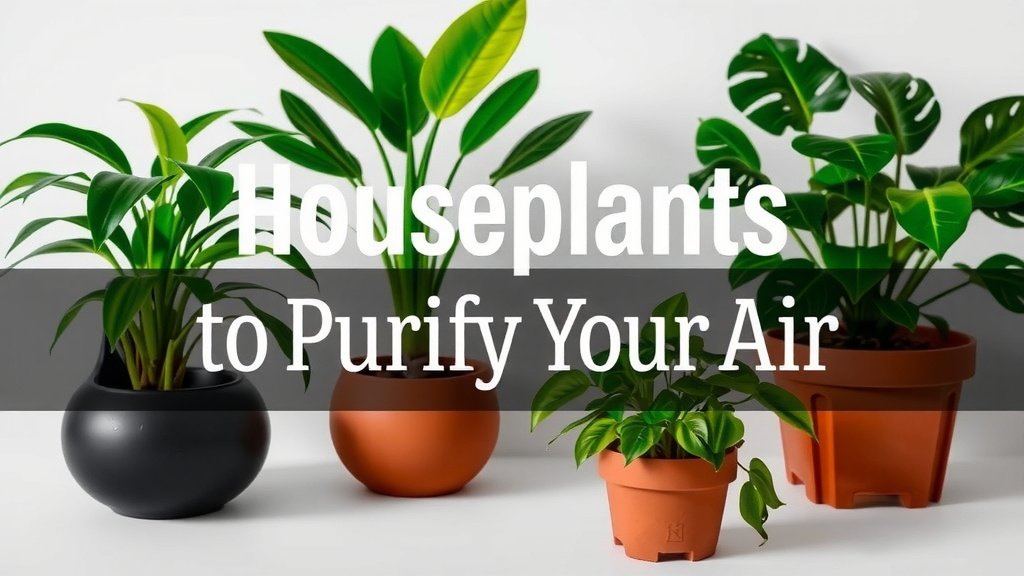
While the idea of houseplants cleaning your air is appealing, the truth is you’d need a jungle to make a real difference. Research suggests that the average home would require an impractical number of plants, potentially hundreds, to significantly purify the air from common indoor pollutants. So, while your leafy friends are lovely, they aren’t a magic bullet for air quality.
The concept of plants as air purifiers gained traction decades ago. However, many studies now indicate that the air-cleaning power of typical household plants is minimal compared to simply opening a window for ventilation. While they do absorb some toxins, the rate is so slow it’s barely measurable in normal room conditions. Think of them as pretty decor that *might* help a tiny bit, rather than a powerful filter.
- You likely need more plants than you think.
- Hundreds of plants might be needed for noticeable air purification.
- Ventilation is a more effective air quality solution.
- Houseplants add beauty and a bit of nature indoors.
Ready to understand the science behind this and what you *can* do to improve your home’s air? Let’s dive into the details.
How Many Plants to Really Clean Your Air?
You’re probably wondering, “Just how many houseplants do I need to make a dent in my indoor air quality?” It’s a fair question. The short answer is: **a lot more than you might think.** Research suggests you’d need to fill your home with plants to a degree that’s quite impractical for most living spaces.
The Science Behind Houseplant Air Purification
The idea that houseplants can purify our air is a popular one. It often traces back to a NASA study from the 1980s. This study looked at how plants could filter toxins in sealed space stations. While interesting, the conditions in a space station are very different from your home. In a sealed environment, air doesn’t get replaced easily. In your home, you naturally open doors and windows, allowing fresh air to circulate.
Understanding the NASA Study’s Context
The NASA Clean Air Study was an important first step. It identified certain plants that could remove specific volatile organic compounds (VOCs). These are chemicals found in many common household items like paints, cleaning supplies, and furniture. However, the study was conducted in a **laboratory setting**. The air was exchanged very slowly, allowing the plants more time to absorb the toxins. This isn’t how a typical home or office works.
Real-World Air Exchange Matters More
In your home, air is constantly moving. Opening a door, turning on a fan, or even just walking around can mix the air. This natural ventilation is incredibly efficient at replacing stale indoor air with fresh outdoor air. Many experts point out that this simple act of opening a window can be **hundreds of times more effective** than relying on plants for air purification (Environmental Science & Technology).
How Many Plants Are *Really* Needed?
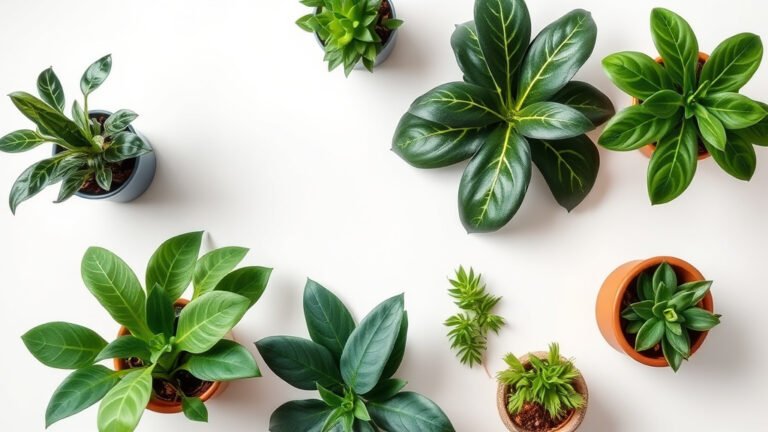
So, if you want to rely on plants for air cleaning, what does that look like? Based on scientific modeling, you’d need a very dense collection of plants. Think about covering your walls and furniture with them. Some estimates suggest you might need **600 to over 1,200 plants** for a typical-sized home to significantly impact air quality from common pollutants (Journal of Exposure Science & Environmental Epidemiology).
Visualizing an Impractical Number of Plants
Imagine trying to fit that many plants into your living room, bedroom, or kitchen. It’s not just about the space they take up. You’d also need to consider watering, light, and potting soil for each one. It quickly becomes a **full-time job**, not a relaxing hobby. Plus, the sheer number of plants would make it difficult to move around your own home.
Comparing Plant Power to Ventilation
Let’s put it into perspective. A single potted plant removes a tiny amount of VOCs per hour. In a room with normal air circulation, that amount gets diluted so quickly it’s almost **undetectable**. Opening a window for just 10 minutes can bring in a much larger volume of fresh air, diluting any pollutants far more effectively.
What About Specific Pollutants?
While plants might not be the air purification superheroes we hoped for, they *do* absorb some compounds. Certain plants are better at filtering specific chemicals than others. For instance, the spider plant is known for absorbing carbon monoxide, and the peace lily can help with formaldehyde. However, the rate of absorption is still very slow in a typical home environment.
Are Some Plants Better Than Others?
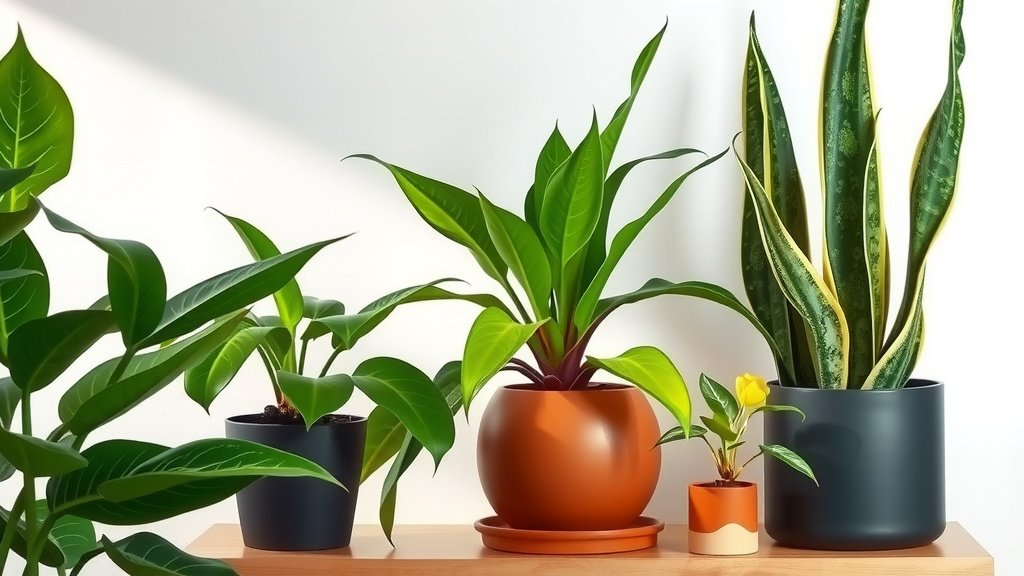
Yes, some plants have demonstrated a higher capacity for absorbing certain toxins in lab studies. These often include plants like the Boston fern, snake plant, and bamboo palm. But even these exceptional plants would need to be present in **very large numbers** to make a measurable difference in your home’s air quality compared to ventilation. You’d still be looking at dozens, if not hundreds, depending on the size of your space and the level of pollutants.
Focusing on What Works: Practical Air Quality Tips
Given the numbers, it’s clear that houseplants alone aren’t the solution for significantly purifying your home’s air. But don’t despair! There are much more effective strategies you can adopt. Focusing on ventilation and reducing pollutant sources are key.
Here’s a quick checklist to improve your indoor air quality:
- Open windows daily: Even for a few minutes, especially after cooking or cleaning.
- Use exhaust fans: In bathrooms and kitchens to vent moisture and pollutants.
- Choose low-VOC products: Opt for paints, cleaners, and furniture with fewer chemical emissions.
- Control humidity: Use dehumidifiers or humidifiers to keep levels between 30-50%.
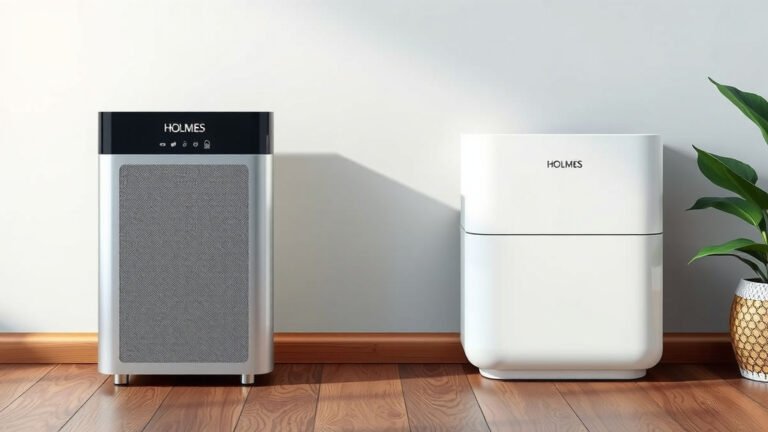
- Consider air purifiers: High-quality HEPA air purifiers can be very effective.
- Regularly clean: Dust and vacuum to remove particulate matter.
While your houseplants might not be powerful air scrubbers, they absolutely add beauty, reduce stress, and bring a touch of nature indoors. Enjoy them for all the wonderful benefits they *do* provide!
Conclusion
It’s clear that while houseplants add beauty and joy to your home, they aren’t a primary solution for significant air purification. Research indicates you’d need an impractically large number of plants, potentially hundreds, to meaningfully impact indoor air quality. Instead of relying on your leafy friends for filtration, focus on proven methods like opening windows for ventilation and reducing pollutant sources in your home. Enjoy your plants for the stress relief and aesthetic benefits they truly offer, and implement practical strategies for healthier air.
Frequently Asked Questions
Can I use just a few houseplants to purify my air?
Unfortunately, no. Research shows that the air-cleaning effect of a few houseplants is very minimal in a typical home. You would need a very dense collection, likely dozens or even hundreds, to see a measurable difference.
Are there specific houseplants that are better at cleaning the air?
Some plants, like the snake plant or spider plant, have been identified in studies as being more effective at absorbing certain toxins. However, even these plants would require a substantial number to purify your air significantly compared to simple ventilation.
How many plants would I need to make a real difference?
Estimates based on scientific modeling suggest you might need anywhere from 600 to over 1,200 plants for a standard home. This number makes it clear that relying solely on plants for air purification is not a practical solution for most people.
If not plants, what’s the best way to purify my home’s air?
The most effective way to improve your indoor air quality is through ventilation. Simply opening windows for a short period each day can introduce much fresher air. Using high-quality air purifiers with HEPA filters is also a very effective strategy.
Do houseplants help with air quality at all?
Yes, houseplants do absorb some pollutants and can release a small amount of oxygen. While their impact on air purification is minor in a typical home environment, they offer numerous other benefits like reducing stress and improving mood.
![What Is The Best Air Purifiers for the Home [In 2026]](https://homeunderstandable.com/wp-content/uploads/2025/06/best-air-purifiers-for-the-home-clean-air-solutions-for-large-rooms-1-768x512.jpg)