How to Clean Your Dyson Air Purifier Filter
The easiest way to clean your Dyson air purifier filter is by vacuuming it gently. You should do this about once a month to keep your Dyson running smoothly. This simple step helps remove dust and debris, ensuring cleaner air in your home.
Keeping your Dyson air purifier filter clean is key to its performance. A dirty filter can reduce airflow and make your purifier work harder. We found that regular cleaning helps extend the life of your filter and maintain optimal air quality. It’s a small task with a big impact on your home’s environment.
- Vacuum your filter monthly.
- Use a soft brush attachment.
- Never wash or use soap.
- Ensure it’s completely dry.
Let’s walk through exactly how to give your Dyson air purifier filter a good clean, step by step.
Caring for Your Dyson Air Purifier Filter: A Simple Guide
Keeping your Dyson air purifier’s filter in top shape is simpler than you might think. A well-maintained filter means your machine can efficiently **capture tiny particles** and keep your home’s air fresh. We found that a little regular attention goes a long way. Let’s get into the details of how to give your Dyson filter the care it deserves.
Understanding Your Dyson Filter’s Needs
Your Dyson air purifier filter is designed to trap a lot of stuff. Think dust bunnies, pet dander, and even pollen. Over time, these particles build up. This buildup can clog the filter. When that happens, air can’t flow through as easily. This makes your purifier work harder, using more energy. It also means less clean air is being circulated in your room. Many experts suggest that regular filter maintenance is key to **optimal purifier performance** (Cleveland Clinic).
Why Regular Cleaning Matters
You might be wondering if cleaning is really that important. We found that it is. A clean filter ensures your Dyson can do its job effectively. It helps maintain the **air quality in your home**. Plus, it can help extend the overall lifespan of your filter. Instead of replacing it too soon, a gentle clean can refresh it. This saves you money and reduces waste.
What NOT to Do: Essential Warnings
This is super important. Your Dyson filter is a delicate component. It’s not built to be washed like a dish rag. Never use water to clean your Dyson filter. Water can damage the filter material. It can also ruin the electronic components within the filter assembly. You also want to avoid using any kind of soap or detergent. These can leave behind residue that can be harmful. Stick to the gentle methods we’ll discuss. Your purifier will thank you for it!
Step-by-Step Filter Cleaning Process
Ready to get your filter sparkling clean? It’s a straightforward process. You’ll only need a few common household items. The most important tool is your vacuum cleaner. Make sure it has a **soft brush attachment**. This is crucial for gentle cleaning.
1. Safely Remove the Filter
First things first, you need to access the filter. Your Dyson air purifier model will have a specific way to do this. Usually, you’ll find a release button or latch. Carefully consult your Dyson manual if you’re unsure. Once you locate it, gently pull or slide the filter out. It’s often housed in the back or side of the unit. Handle it with care to avoid dropping it.
2. Gentle Vacuuming Technique
Now for the main cleaning step. Take your vacuum cleaner with the soft brush attachment. You want to be very gentle here. Lightly brush the surface of the filter. Move the brush attachment up and down the pleats. Work your way around the entire filter. This motion helps to **dislodge dust and debris** trapped within the filter material. Don’t press down hard. A light touch is all that’s needed. Think of it like dusting a delicate object.
3. Checking for Thoroughness
After a good vacuuming, give the filter a visual inspection. Can you still see dust clinging to it? If so, go over it again with the vacuum. You want to remove as much loose debris as possible. Many Dyson models have filters designed for this type of maintenance. We found that even a quick once-over can make a noticeable difference in airflow. It’s about getting rid of the visible dust.
4. Ensuring Complete Dryness
This is a critical step that many overlook. Once you’ve finished vacuuming, you need to ensure the filter is absolutely dry. Even though you didn’t use water, residual moisture can sometimes be an issue. Let the filter air dry completely in a well-ventilated area. This usually takes a few hours. Never put a damp filter back into your Dyson purifier. It’s a sure way to cause problems down the line. Patience here prevents future headaches.
5. Reinserting the Filter
Once you’re confident the filter is bone dry, it’s time to put it back. Align the filter correctly with its housing. You should feel or hear a slight click when it’s properly seated. Gently push it back into place until it’s secure. Make sure it’s snug. Close up any panels or latches you opened earlier. Your Dyson air purifier is now ready to go!
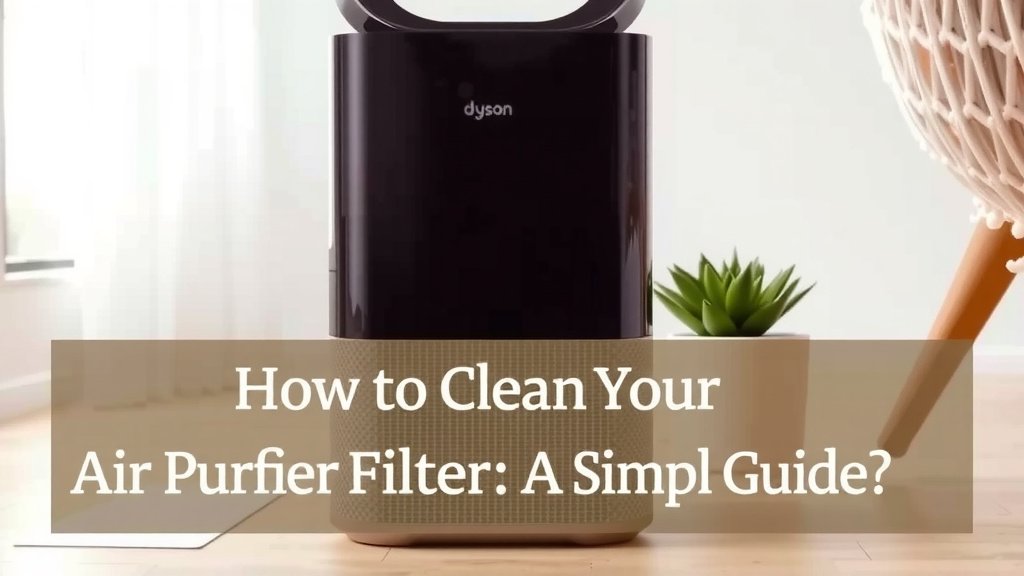
When to Consider a Replacement Filter
While regular cleaning is great, filters don’t last forever. Eventually, they will need to be replaced. How do you know when it’s time? Your Dyson purifier itself is often the best indicator. Many models have a built-in indicator light or display. It will alert you when the filter life is low. You might also notice a **decrease in air purification performance**. If you’ve cleaned the filter thoroughly and still feel the air isn’t as fresh, it could be time for a new one.
We found that paying attention to these signs can help you stay ahead. Replacing your filter at the right time ensures your Dyson continues to perform at its best. It’s better to replace it proactively than to wait until air quality noticeably suffers. Check your Dyson manual for specific filter lifespan recommendations for your model.
Filter Cleaning Checklist
Here’s a quick rundown to make sure you don’t miss a step:
- Remove the filter carefully from your Dyson purifier.
- Use a soft brush attachment on your vacuum cleaner.
- Gently vacuum all surfaces of the filter.
- Never use water or soap for cleaning.
- Allow the filter to air dry completely before reinstallation.
- Reinsert the clean, dry filter securely.
Following these simple steps will help your Dyson air purifier run efficiently for years to come. You’re doing a great job taking care of your home’s air!
Conclusion
You’ve learned how simple it is to maintain your Dyson air purifier filter. Regular gentle vacuuming is the key to efficient operation. This small habit ensures your machine effectively cleans your home’s air. It also helps extend the life of your filter. Remember to always avoid water and soap. Following these steps will keep your Dyson running smoothly for years. Now, go ahead and give your filter that much-needed clean!
Frequently Asked Questions
How often should I vacuum my Dyson air purifier filter?
We recommend vacuuming your Dyson air purifier filter about once a month. This frequency helps to consistently remove accumulated dust and debris. Regular cleaning ensures optimal airflow and purification performance.
Can I wash my Dyson air purifier filter with water?
No, you should never wash your Dyson air purifier filter with water. Water can damage the delicate filter material and electronic components. Always stick to dry cleaning methods like gentle vacuuming with a soft brush attachment.
What kind of vacuum attachment should I use?
You should use your vacuum cleaner’s soft brush attachment. This type of attachment is designed for delicate surfaces. It helps dislodge dust and debris without damaging the filter material.
How do I know when it’s time to replace my Dyson filter?
Your Dyson air purifier often has a built-in indicator that alerts you when the filter needs replacement. You might also notice a decrease in purification performance. If cleaning no longer improves air quality, it’s likely time for a new filter.
How long does a Dyson air purifier filter typically last?
The lifespan of a Dyson air purifier filter can vary by model and usage. While regular cleaning can extend its life, filters generally need replacement every 6 to 12 months. Always check your Dyson manual for model-specific recommendations.
![What Is The Best Air Purifier for Condo [In 2026]](https://homeunderstandable.com/wp-content/uploads/2025/06/best-air-purifier-for-condo.jpg)